
For a long time, Americans referred to all fully oxidized teas simply as “Black Tea.” Yet as tea culture develops in the United States, and as interest in Chinese gongfu tea deepens, more tea enthusiasts and boutique brands are now choosing the term “Red Tea.”
One reason for this shift is accuracy. “Red Tea” is closer to the original Chinese meaning, which highlights the reddish liquor instead of the dry leaves. For those who study Chinese tea culture, this naming feels more authentic.
Another reason is market differentiation. On supermarket shelves, “Black Tea” often refers to mass-market teas from India or Sri Lanka. By contrast, Chinese red teas such as Keemun, Jin Jun Mei, Dian Hong, and Lapsang Souchong are crafted with distinct methods and higher quality. Using the name Red Tea helps brands distinguish themselves in the premium market.
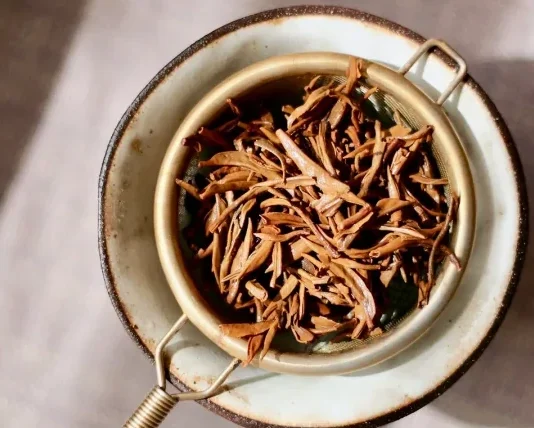
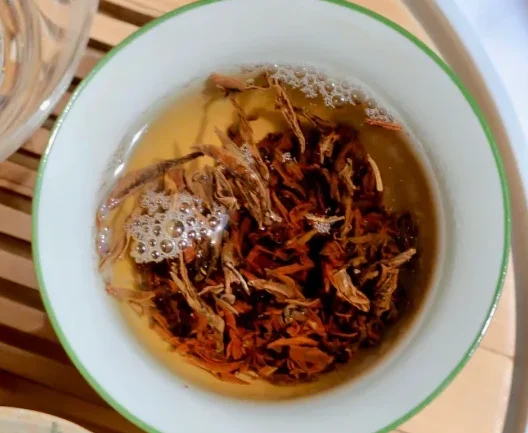
There is also a need to avoid confusion with Dark Tea. In recent years, Pu-erh and Hunan dark teas have entered the U.S. market. If Chinese red teas continue to be called “Black Tea,” consumers may easily confuse them with post-fermented teas. Thus, some experts and merchants advocate a clearer three-part classification:
For tea merchants, this is not just a linguistic adjustment but also a marketing strategy. In the high-end market, “Red Tea” conveys cultural depth, exotic authenticity, and stands apart from the everyday “Black Tea” found in supermarkets. Tea enthusiasts, too, welcome this change, seeing it as a sign of respect for Chinese tea tradition.
Looking forward, the term Red Tea may gradually become the international standard, much like “Pu-erh” has become the accepted global spelling for 普洱茶. With clearer categories, consumers will no longer ask, “Why is this red tea called Black Tea?” Instead, they will recognize Red Tea as a distinct identity with its own history and charm.
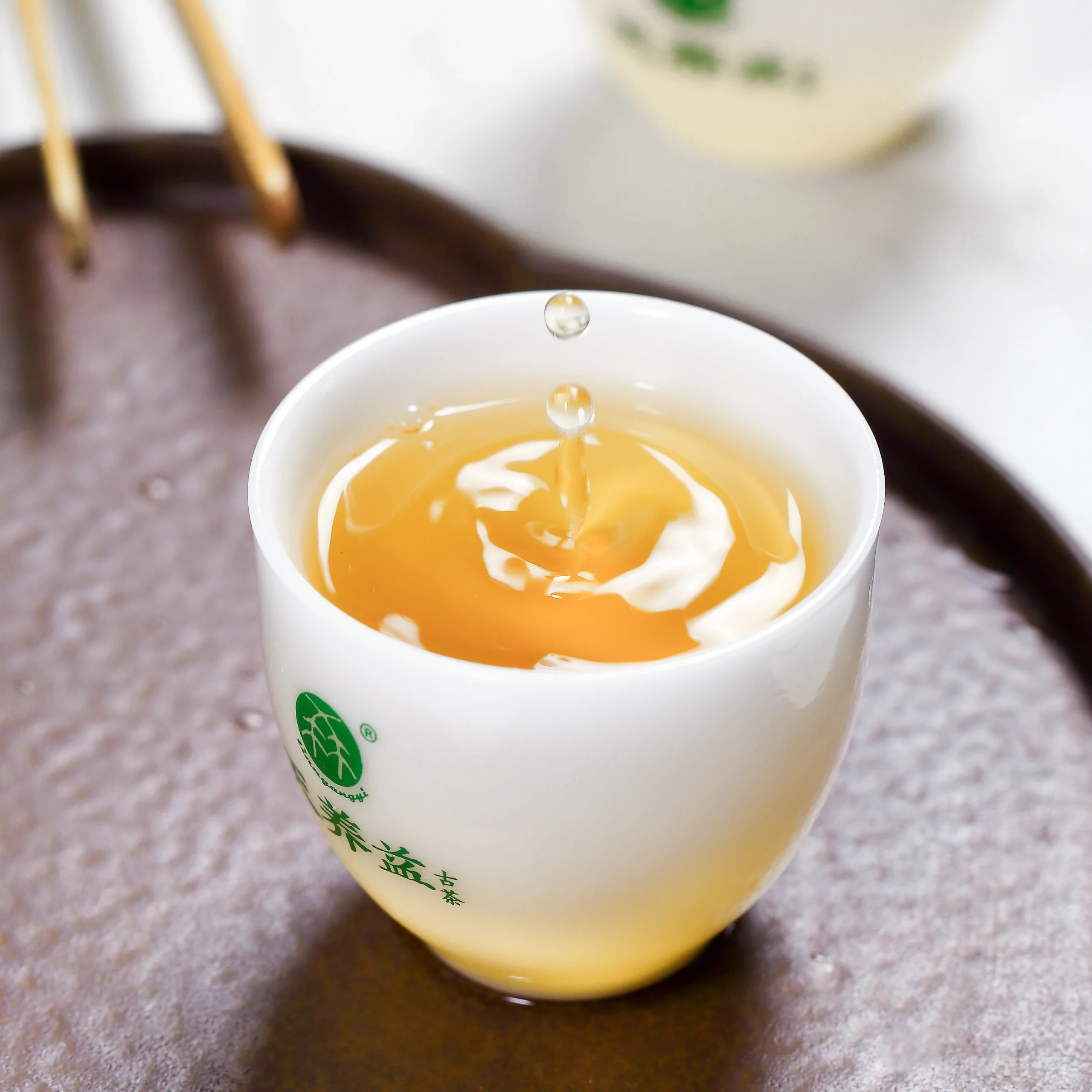
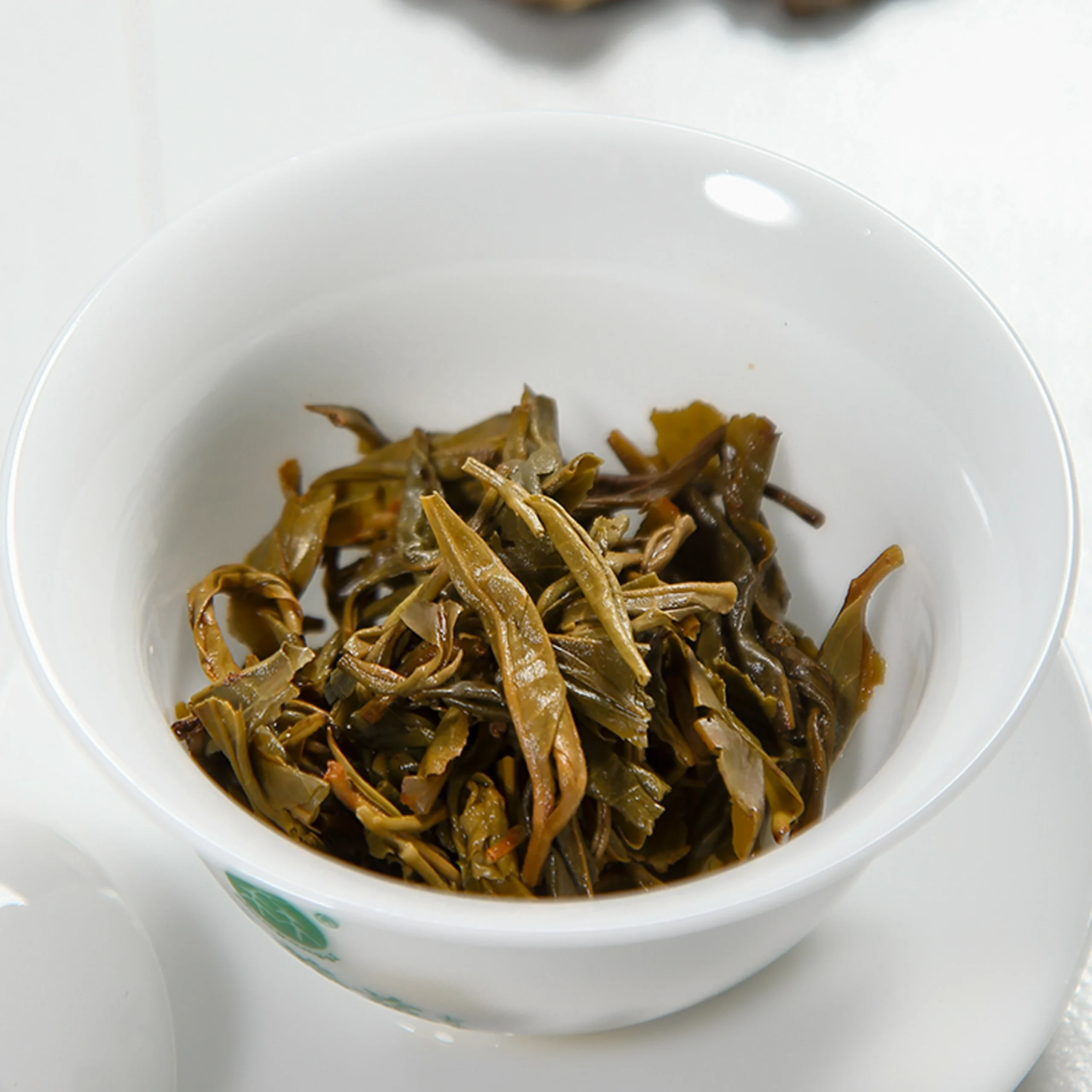
In conclusion, the shift from Black Tea to Red Tea is not only a correction of terminology but also a symbol of deeper cultural exchange. It enhances the recognition of Chinese red tea in global markets and represents a growing appreciation of tea diversity in U.S. tea culture.