
1️.The Meaning of “Local Time” in Tea and TCM
In traditional Chinese medicine (TCM), the body’s Qi follows a daily rhythm known as Ziwuliuzhu. When tea masters say “black tea travels through the Shaoyang channel,” they refer to the Gallbladder (GB) and Triple Burner (San Jiao) meridians.
This rhythm does not depend on Beijing time. It follows your local solar time, adjusting naturally with your region and daylight saving.
Time (Local) | Meridian | Element | Symbolic Effect | Tea Meaning |
13:00–15:00 | Gallbladder (Shaoyang) | Wood → Fire | Clarity & decision | Uplifting, focused afternoon tea |
21:00–23:00 | Triple Burner | Fire | Internal harmony | Gentle tea for relaxation |
Black tea’s gentle warmth suits these windows. Afternoon tea enhances focus, while an evening sip, light and aromatic, can help unwind. The key is personal rhythm—TCM gives the map, but you adjust by your own body and time zone.
midnight-noon and ebb-flow doctrine
| Zi (子) | 11:00 PM – 1:00 AM | Gallbladder Meridian of Foot-Shaoyang | Gallbladder |
| Chou (丑) | 1:00 AM – 3:00 AM | Liver Meridian of Foot-Jueyin | Liver |
| Yin (寅) | 3:00 AM – 5:00 AM | Lung Meridian of Hand-Taiyin | Lungs |
| Mao (卯) | 5:00 AM – 7:00 AM | Large Intestine Meridian of Hand-Yangming | Large Intestine |
| Chen (辰) | 7:00 AM – 9:00 AM | Stomach Meridian of Foot-Yangming | Stomach |
| Si (巳) | 9:00 AM – 11:00 AM | Spleen Meridian of Foot-Taiyin | Spleen |
| Wu (午) | 11:00 AM – 1:00 PM | Heart Meridian of Hand-Shaoyin | Heart |
| Wei (未) | 1:00 PM – 3:00 PM | Small Intestine Meridian of Hand-Taiyang | Small Intestine |
| Shen (申) | 3:00 PM – 5:00 PM | Bladder Meridian of Foot-Taiyang | Bladder |
| You (酉) | 5:00 PM – 7:00 PM | Kidney Meridian of Foot-Shaoyin | Kidneys |
| Xu (戌) | 7:00 PM – 9:00 PM | Pericardium Meridian of Hand-Jueyin | Pericardium |
| Hai (亥) | 9:00 PM – 11:00 PM | Sanjiao Meridian of Hand-Shaoyang | Sanjiao (Triple Burner) |
2️.Polyamines: A Modern Glimpse into Ancient Tea
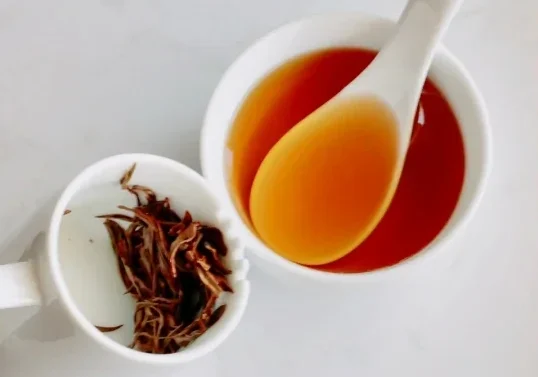
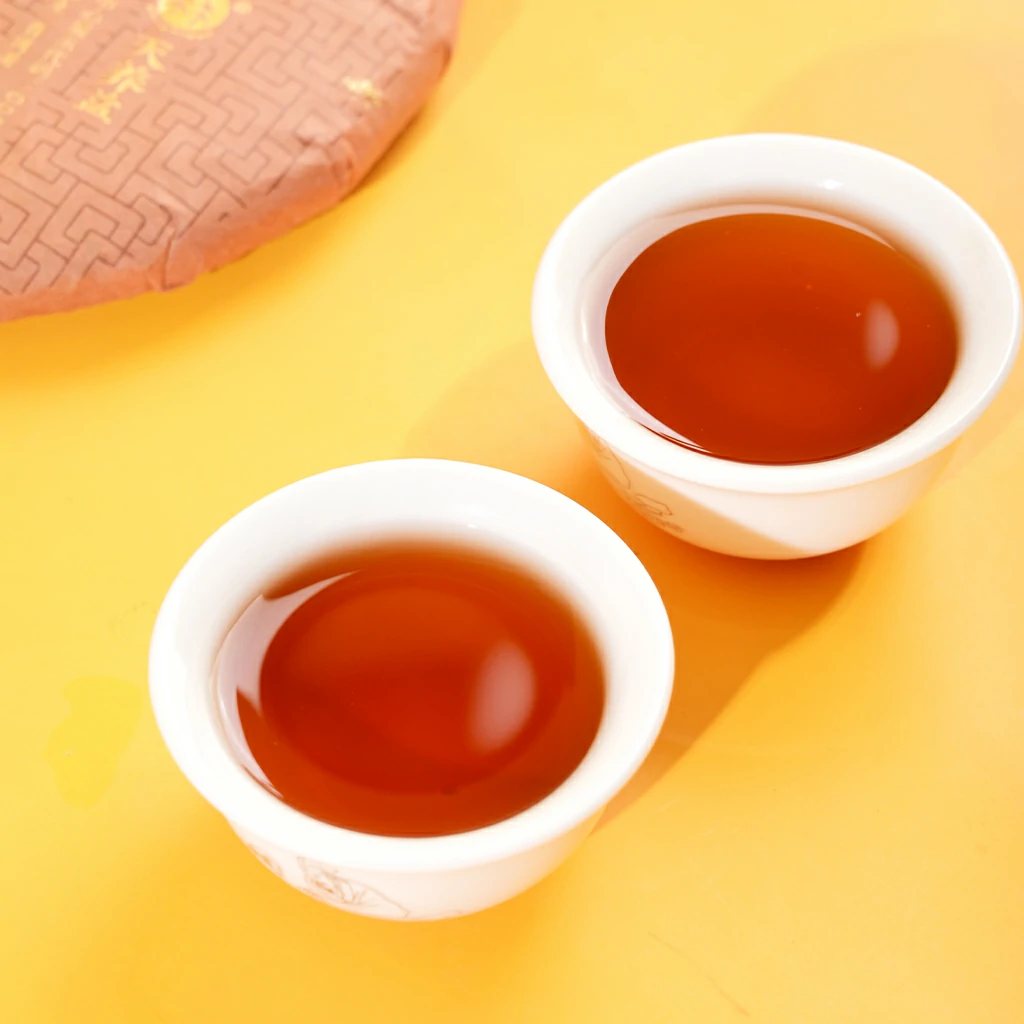
Chemically, black tea contains caffeine, amino acids, polyphenols, theaflavins, thearubigins—and polyamines such as spermidine and spermine.
In biological science, these small compounds regulate cell growth, gene stability, and energy metabolism. Laboratory studies suggest spermidine may support autophagy (cell renewal), but human evidence from tea consumption remains limited.
A mindful expression:
“Black tea contains natural compounds, including polyamines, which are under study for their antioxidant and metabolic roles. Enjoy the cup for balance—not as medicine.”
This phrasing keeps scientific accuracy while preserving cultural beauty.
英文版_15.jpg)
3️.How “Steady Pouring” Reflects Tea’s Qi
Many beginners misunderstand the phrase “quick in, quick out.” True masters explain it differently:
“Water flows in neither too fast nor too slow; cover the lid, then pour out smoothly. The movement should be natural, continuous, and unbroken.”
This method—steady pour without pause—creates a seamless energy flow. It keeps tea flavor clean, prevents bitterness, and mirrors the balanced rhythm of breathing in tea practice.
So when brewing black tea:
- Use boiling water (≈100 °C).
- Pour with a continuous flow, water entering and leaving in one smooth breath.
- Keep actions natural, never abrupt; think flow, not speed.
- This continuous rhythm releases fragrance and maintains harmony between water, fire, and leaf.
4️.Afternoon and Evening Balance
In the afternoon (GB period), black tea supports alert focus—ideal for reading or reflection.
In the evening (San Jiao period), choose softer teas such as Keemun or lightly brewed Dianhong, using the same “continuous flow” method but shorter infusions.
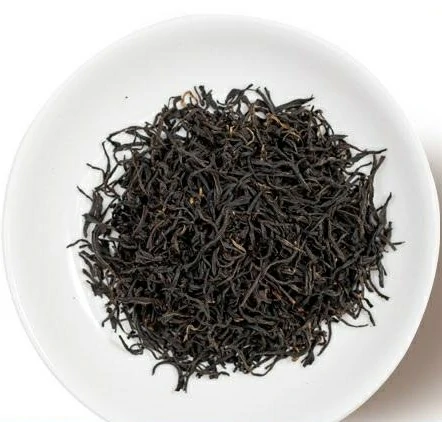
Keemun Black Tea — Refined Balance
Elegant aroma of flowers and fruit, with gentle sweetness. Brew using boiling water, let water flow naturally without pause, and pour out in one motion. A graceful tea for clarity and calm.
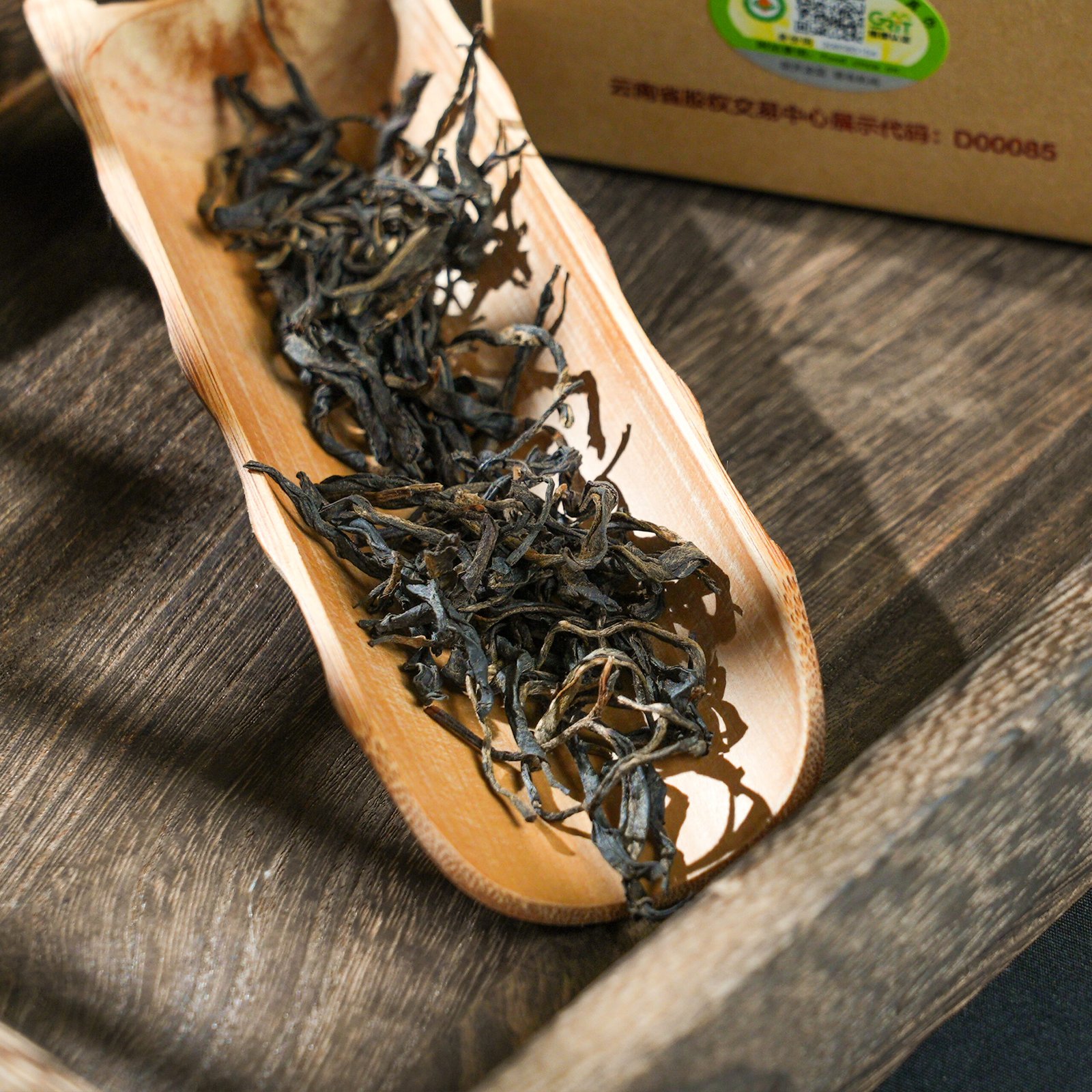
Dianhong (Yunnan Black) — Warm Comfort
Full-bodied yet smooth. Pour water in a single continuous stream, lid on, then release the liquor promptly. A peaceful companion for late evening reflection.
5.Summary
The wisdom of black tea lies between rhythm and chemistry. By using local time and continuous, unbroken movement, you let Qi and fragrance flow as one.
Science speaks of molecules; TCM speaks of meridians. Between them, every sip becomes a gentle alignment of body and spirit.
Q1. Why does TCM link black tea with the Gallbladder and Triple Burner meridians?
According to classical tea writings, black tea belongs to the Shaoyang network, which includes the Gallbladder and Triple Burner meridians. In symbolic terms, this means the tea promotes smooth Qi flow, clear thinking, and gentle warmth — qualities associated with these meridians. It is not a strict medical classification but a way of expressing balance and energy movement in daily life.
Q2. What does “steady, unbroken flow” mean in brewing?
It means the water is poured in a continuous motion, not rushed, not stopped midway. Once water fills the gaiwan or teapot, the lid is placed, and the liquor is poured out smoothly in one breath. The focus is on fluidity and continuity, not speed. This keeps fragrance lively and the tea’s Qi unbroken.
Q3. Does black tea have proven health benefits?
Modern research supports black tea as a source of antioxidants, caffeine, and amino acids that can improve alertness and support heart and metabolic health. However, results vary, and effects depend on total diet and lifestyle. Black tea should be enjoyed as part of balanced living — not as a medical cure.
Q4. What are polyamines in tea, and should I care about them?
Polyamines (like spermidine) are natural molecules involved in cell metabolism. They exist in small amounts in many foods, including tea. Research on their role in human longevity is ongoing. For tea lovers, it’s enough to know that black tea’s biochemical diversity is one reason behind its balanced feel and gentle energy.
Q5. How should I brew black tea for the best result?
- Water temperature:Boiling (~100 °C).
- Pouring:Continuous, smooth flow without pause.
- Timing:Decant immediately after water covers the leaves.
- Teaware:Yixing clay or coarse pottery retains heat and allows the tea to breathe.
The key is not speed but rhythm and continuity.
Q6. Can I drink black tea at night?
Yes, but adjust to your caffeine sensitivity. Choose mellow teas like Keemun or Dianhong, brew lightly with the continuous-flow method, and finish before bedtime. Many tea lovers find that such evening tea helps them relax rather than stay awake.
Q7. How does this TCM concept help international readers?
You don’t have to be trained in Chinese medicine to apply it. Think of it as a mindfulness framework — matching tea type, body state, and time of day. It’s a poetic way to live rhythmically, wherever you are.
Q8. Is there a difference between red tea and black tea?
In Chinese classification, what the world calls “black tea” (Keemun, Dianhong, etc.) is actually “red tea” (红茶) because of its reddish liquor. Western “red tea” often refers to rooibos, a caffeine-free herb.
As the times change, the meanings of the name of black tea and red tea also is changing. Please review the passages:
Why Is Chinese Red Tea Called “Black Tea”? Historical and Cultural Reasons
Q9. Why emphasize continuity and calmness in brewing?
Because tea art is not about rushing but about cultivating presence. The steady, unbroken flow connects breath, movement, and awareness — creating harmony between water and fire, leaf and heart.