
Is Taidi tea Healthy? Shocking Truth About Mass-Produced Tea
In today’s fast-paced tea industry, not all teas are created equal. While many tea lovers are drawn to low prices and mass availability, few realize the health risks behind mass-produced Taidi tea. Here’s why you might want to rethink your next cup.
1. Grown for Yield, Not for Quality
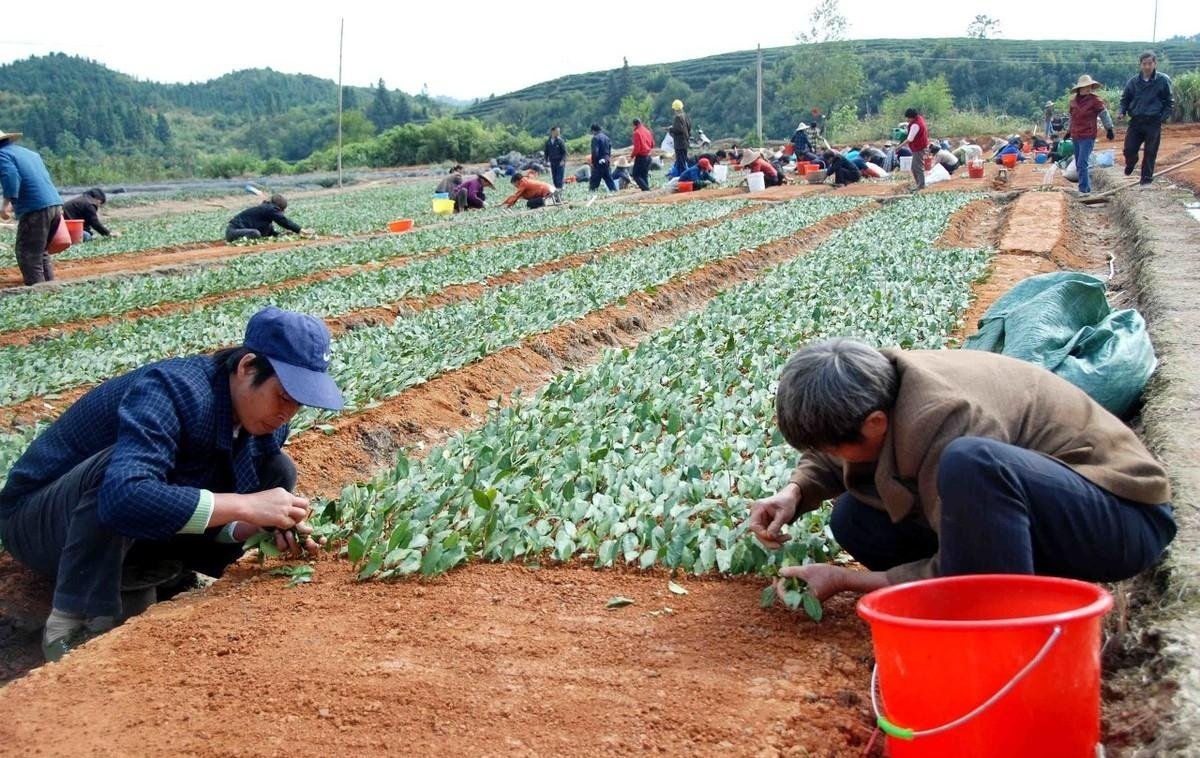
Taidi tea is cultivated primarily for quantity. The trees are propagated through cutting—an asexual cloning method—ensuring uniform height and growth. This uniformity makes mechanical harvesting possible, increasing productivity but sacrificing genetic diversity and vitality.
2.High-Density Planting = High Chemical Dependency
Unlike forest-grown or ancient tree teas that grow in low-density, nutrient-rich soil, Taidi tea is planted densely in shallow, less fertile topsoil. To survive and grow, these plants require heavy applications of chemical fertilizers. But chemical fertilizers attract pests—leading to the widespread use of pesticides.
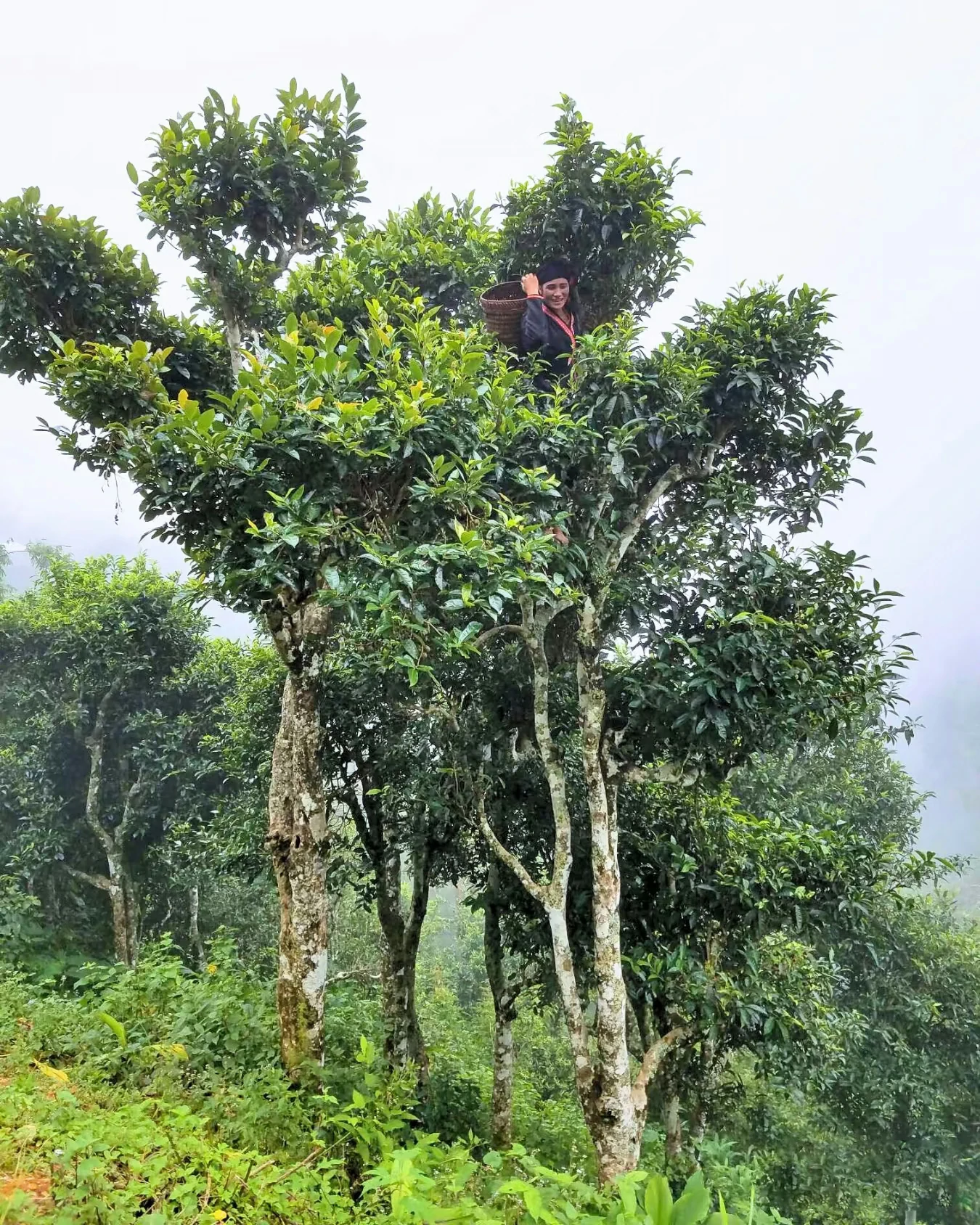

Tea Leaf Plucking/Harvesting
Cutting propagation
3.Shrubs, Not Trees – More Weeds, More Herbicides
Taidi tea grows as small shrubs, unlike the towering, shade-giving forest tea trees. Without natural canopy cover, the ground becomes infested with weeds. Farmers often rely on herbicides like glyphosate, which has been linked to cancer and other serious health concerns.
4.Artificial Growth Acceleration
Whereas forest teas take a decade or more to mature naturally, Taidi tea is rushed into production using growth stimulants. In just one year, a Taidi tea plant can be ready for harvest—sacrificing depth of flavor and potential health benefits for speed and scale.


Tea plant breeding
Weeding
5.Hidden Cost of Cheap Tea
Taidi tea might seem economical, but the true cost is hidden in its agricultural inputs: synthetic fertilizers, pesticides, herbicides, and cloned propagation. Forest tea, by contrast, involves manual planting, hand-weeding, and selective harvesting—resulting in a cleaner, more wholesome tea.
Conclusion
Mass-market Taidi tea prioritizes convenience and low prices at the expense of ecological balance and human health. Next time you brew a cup, ask yourself: is this tea nurturing my body, or quietly harming it?