
Red tea, one of the most significant categories of Chinese tea, not only has a long history in China but has also left a deep influence around the world. However, what Chinese people call “red tea” (hong cha) is commonly known in the West as “black tea.” This difference in naming has existed for centuries, and its roots lie in history, trade, and cultural perspectives.
In China, teas are often named after the color of their infusion. When brewed, red tea presents a bright, ruby-like liquor that glows with warmth, which is why it is called “red tea.” This naming emphasizes the drinking experience and reflects the aesthetic values of Chinese culture.
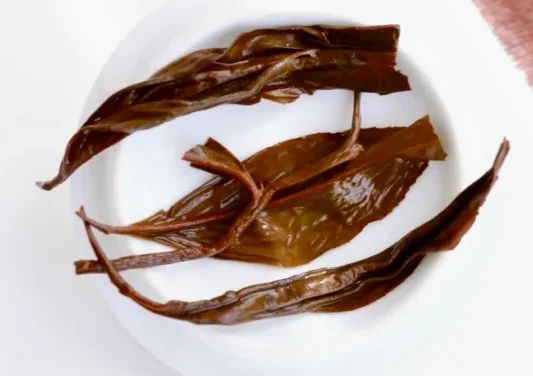
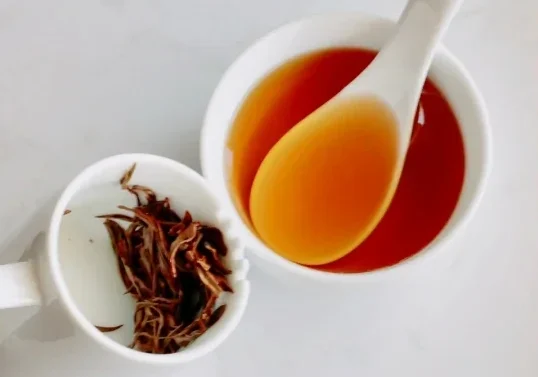
When red tea first entered Europe in the 17th century, the situation was very different. Fujian’s Lapsang Souchong, widely regarded as the earliest red tea, was smoked over pinewood, producing dark, black leaves with a distinctive aroma. To British traders, who focused on the appearance of the dry leaves rather than the color of the brew, the name “Black Tea” was natural.
When red tea first entered Europe in the 17th century, the situation was very different. Fujian’s Lapsang Souchong, widely regarded as the earliest red tea, was smoked over pinewood, producing dark, black leaves with a distinctive aroma. To British traders, who focused on the appearance of the dry leaves rather than the color of the brew, the name “Black Tea” was natural.
Another factor was Western drinking habits. The British often added milk and sugar to their tea, which masked the original reddish hue of the liquor. The black color of the dry leaves became the most obvious feature, reinforcing the term “Black Tea.”


Lapsang Souchong
Afternoon Tea
As the British East India Company expanded tea trade worldwide, “Black Tea” became the standard English term for all fully oxidized teas. Whether it was Assam from India, Ceylon from Sri Lanka, or Dian Hong from Yunnan, all were categorized under Black Tea.
This convention has continued to this day and has become deeply ingrained in Western culture. However, it has also created long-lasting confusion, since in Chinese tea classification, “red tea” and “dark tea” (hei cha, such as Pu-erh and Hunan dark tea) are completely different.
In short, the Western term “Black Tea” reflects both the initial impression of early traders and the legacy of global commerce. Although it differs from the Chinese logic of naming teas by liquor color, this difference is a living example of the cultural exchanges between East and West.