
H1: When Is the Best Time to Drink Black Tea? A Scientific and Traditional Chinese Perspective
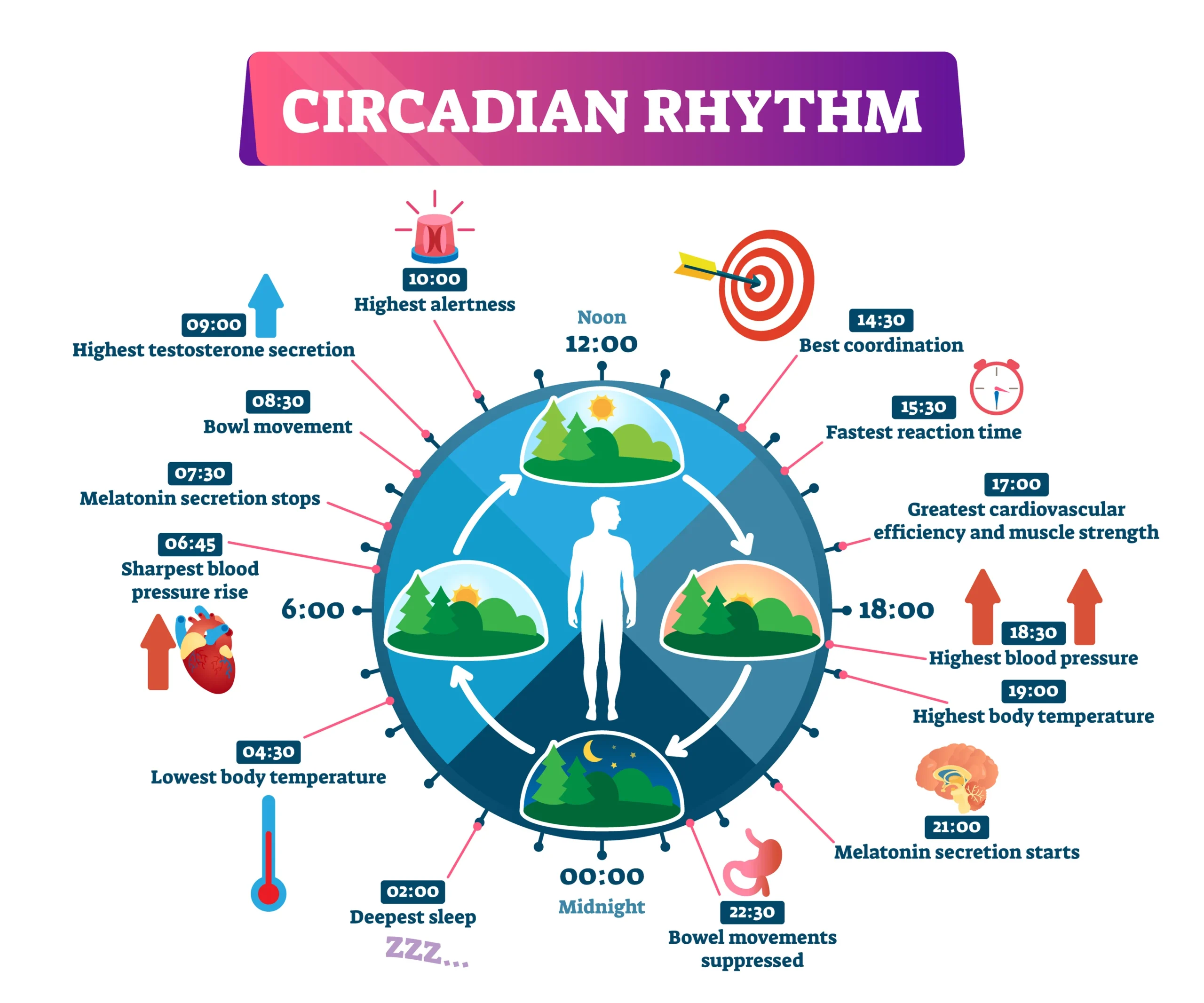
For many tea lovers, a cup of black tea marks the beginning or the ending of a day. Yet have you noticed that sometimes it energizes you instantly, while other times it causes stomach discomfort or sleeplessness? This difference is not because of the tea itself but the timing of drinking it. Both traditional Chinese medicine (TCM) and modern physiology agree that the human body follows natural rhythms — and so should our tea.
英文版_12-e1762322792117.jpg)
H2: Daily Tea-Time Science
Morning (7:00 – 9:00 AM): Awaken Metabolism
Morning is when the body’s yang energy begins to rise. According to TCM, this time corresponds to the stomach and spleen meridians, which govern digestion and energy conversion. Modern research supports this: black tea contains moderate caffeine and theaflavins that stimulate metabolism and enhance alertness. Drinking a light, warm cup after breakfast helps “wake the gut” and jump-start digestion without causing acidity. Avoid empty-stomach consumption to prevent gastric irritation.
Best choice: Lightly fermented Keemun or Darjeeling black tea.
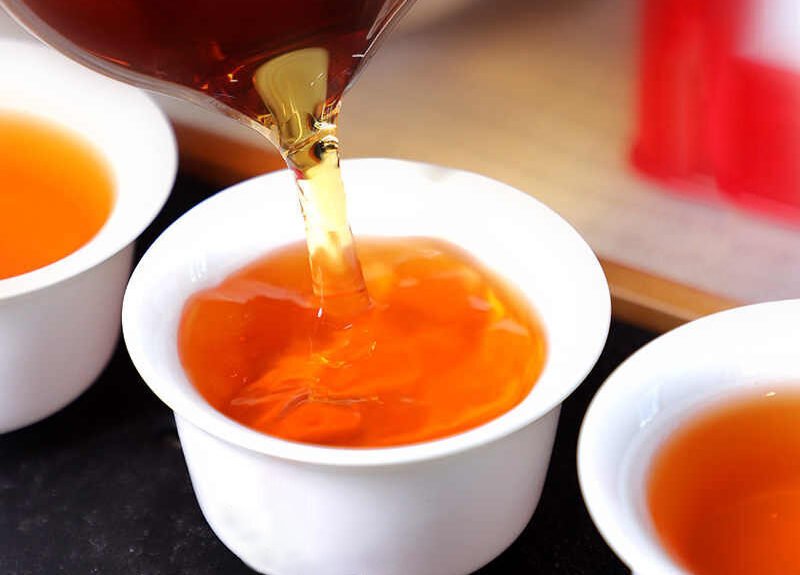
Darjeeling black tea.
Darjeeling Black Tea: The “Champagne” of Black Teas
Darjeeling black tea, hailing from the Darjeeling region at the foothills of the Himalayas in northern India, is globally acclaimed by tea connoisseurs as the “Champagne of Black Teas.” It possesses a unique flavor and character, making it far more than just an ordinary cup of black tea.
Late Morning (9:00 – 11:00 AM): Stay Focused
Afternoon (1:00 – 3:00 PM): The Golden Hour of Black Tea
After lunch, blood is diverted to the digestive tract, making you feel drowsy. In Chinese chronobiology, this is the “small intestine meridian” period — a time for assimilation and energy redistribution. A cup of Yunnan black tea revives the mind, aids digestion, and stimulates bile flow, which helps metabolize fatty lunches. Western tradition calls this “afternoon tea”; Eastern theory calls it the “golden time for black tea.”
Scientific insight: Polyphenols improve lipid metabolism and reduce oxidative stress.
Best choice: Yunnan Dianhong or Ceylon black tea.
Ceylon black tea.
Ceylon Black Tea: The Flavorful Gem of Sri Lanka
Ceylon black tea, originating from the island nation of Sri Lanka, a gem in the Indian Ocean, is renowned worldwide for its vibrant character and pure flavor profile. It is not a tea of singular taste, but rather a diverse and colorful family, whose essential character is deeply rooted in the “terroir” of its growing regions.
详情页_09-e1762322171913.jpg)
Night (9:00 – 11:00 PM): Moderation Matters
Conventional advice warns against tea at night, yet not all black teas act the same. If you work late, a mild wild black tea can relieve oxidative stress and mental fatigue. TCM links this period to the “Triple Burner meridian,” which regulates body-wide energy flow. A small, diluted cup warms the stomach and relaxes the nervous system without disturbing sleep. Avoid industrial-grade or plantation tea that may contain excess caffeine.
H2: Seasonal Rhythms — Drink with the Earth’s Cycle
Spring (Jan – Mar): The Most Suitable Season
Spring symbolizes growth and renewal. Black tea’s warming but not dry nature helps the body transition from cold winter to budding spring. It stimulates liver qi and refreshes the mind. From a scientific viewpoint, moderate caffeine enhances dopamine release and restores circadian alertness after winter’s sluggishness.
Recommended: 2 cups per day, warm brew at 40–60 °C.
Summer (Apr – Jun): Light and Cooling
In the hot months, heavy black tea can raise internal heat. However, when brewed light and chilled, it helps produce body fluids (“sheng jin zhi ke” in TCM). Scientific studies confirm that cold-infused black tea preserves antioxidants while lowering caffeine intensity.
Recommended: Cold-brewed black tea once a day; avoid over-brewing.
Autumn (Jul – Sep): Moisturize and Strengthen Immunity
Autumn is dry and cool. Black tea’s polyphenols and thearubigins moisturize the lungs and support immune defense. TCM considers this the season to nourish the metal element (lungs and skin). Modern research shows that theaflavins reduce oxidative damage from urban pollution.
Recommended: 2–3 cups daily, warm temperature preferred.
Winter (Oct – Dec): Warm Up and Circulate
Winter belongs to the water element (kidneys). Black tea’s warming nature stimulates blood flow and prevents cold-induced vasoconstriction. Adding ginger or honey enhances circulatory benefits. From a scientific angle, tea polyphenols increase nitric oxide production, which improves vascular function.
Recommended: 2–3 cups per day; best served hot.
H2: Conclusion — Tea as a Rhythmic Medicine
Whether you follow TCM principles or biological chronology, the key is harmony with natural rhythms. Drink black tea in the morning to energize, in the afternoon to re-balance, and in the right season to support the body’s needs. By aligning tea with your daily and seasonal clock, you maximize its benefits for digestion, circulation, and mental clarity.
H3: Brand Invitation
Explore authentic Chinese teas crafted for balance and wellness at Excellent Forest Tea, where traditional wisdom meets modern science in every cup.
FAQ
- Can I drink black tea on an empty stomach?
It’s not recommended. Tannins may irritate the gastric lining and cause discomfort. Drink after a light meal. - Is it okay to drink black tea at night?
Yes, if the tea is mild and consumed in small amounts. Wild or aged black tea is gentler on the nervous system. - Which season is best for black tea?
Spring and winter are ideal due to moderate temperature and the body’s need for warming energy. - What is the scientific benefit of drinking black tea in the afternoon?
It improves fat metabolism, reduces oxidative stress, and helps maintain focus during post-lunch fatigue. - Can I add ginger or honey to black tea?
Yes. Both enhance circulation and complement the warming nature of black tea in cold weather.