
For tea lovers worldwide, questions like “When is the best time to pick tea leaves?” or “Does rain affect tea harvesting quality?” remain as relevant today as they were more than a thousand years ago. In the Tang Dynasty, the legendary tea sage Lu Yu—author of the Classic of Tea (Cha Jing)—gave precise guidance: “Pick tea in the second, third, and fourth months. Do not pick during rain, and do not pick on sunny days with clouds.”
This seemingly simple advice hides centuries of observation and science. Let’s explore how Lu Yu’s “time-space rule” continues to guide tea harvesting from ancient China to modern tea gardens around the world.
- Choosing the Right Season: Why “Second, Third, and Fourth” Months Matter
Lu Yu’s recommendation to harvest tea in the second, third, and fourth lunar months—roughly late March to early May in today’s calendar—reflects a deep understanding of both climate patterns and the tea plant’s growth cycle.
During this period, the young buds of Camellia sinensis experience a natural balance of cool nights and mild spring temperatures, which slow down leaf growth and increase the concentration of amino acids, catechins, and natural sweetness. This is why spring teas like Longjing green tea, Keemun black tea, and high-mountain oolong consistently rank among the world’s most aromatic and flavorful.
Different tea types require subtle timing adjustments:
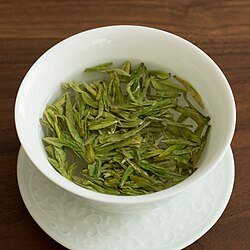
- Green teathrives on early-spring picking when buds are tender and high in L-theanine, giving a sweet, umami taste.
- Black tea (red tea)benefits from slightly later harvests to allow richer polyphenol development, producing a robust, malty flavor.
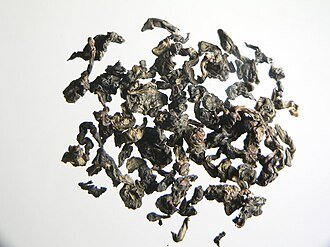
- Oolong teaoften waits for late April or early May when leaves have matured enough for partial oxidation.
After Qingming comes the Grain Rain (Guyu) solar term, which marks a natural dividing line in the tea season. Leaves sprouting after this period contain more polyphenols and are generally too coarse for making green tea. Instead, they become the ideal material for white tea and black tea, whose deeper oxidation benefits from thicker leaves. Grain Rain usually falls around the twentieth day of the fourth lunar month, signaling the close of the prime green tea harvest window.
Today, tea farmers and tea sommeliers still watch the spring flush carefully. Global tea enthusiasts frequently search online for terms like “first flush vs second flush tea” or “best month to harvest green tea”, all echoing Lu Yu’s timeless observation.
- Weather Taboos: Why Rain and Clouds Are the Enemy of Quality
Lu Yu warned, “Do not pick during rain, and do not pick on sunny days with clouds.”
Modern agricultural science confirms his wisdom. Rain increases the moisture content of fresh tea leaves, making them heavier and more prone to enzymatic oxidation and microbial growth. High humidity also reduces the efficiency of post-harvest withering and drying, leading to flat aroma, sour notes, and dull liquor color.
Cloudy days present a different challenge. With reduced sunlight, photosynthesis slows, lowering the accumulation of soluble sugars and aromatic precursors. The result? Tea that tastes less vibrant, with muted fragrance and weaker “tea energy” (cha qi).
That’s why modern tea estates from Hangzhou to Darjeeling still track weather forecasts, using high-frequency Google queries like “Does rain ruin tea leaves?” or “best weather for tea plucking”. Dry, bright mornings after a stable night remain the gold standard for harvesting premium leaves.
- Modern Applications: From Green Tea to Oolong and Black Tea
While technology has evolved, Lu Yu’s “time-space rule” remains central to today’s sustainable tea farming.
- Green tea gardensin Zhejiang still insist on hand-picking during dry spring mornings to capture the signature chestnut aroma of Longjing.
- Black tea producersin Yunnan time their harvests to sunny afternoons when polyphenol activity peaks, enhancing the honey-sweet notes of Dian Hong.
- Oolong mastersin Taiwan choose slightly cloudy but dry afternoons for partial withering, balancing moisture and oxidation.
Organic tea farms now use real-time weather sensors, AI forecasting, and drone imaging to mimic what Lu Yu achieved through careful observation. Yet the goal remains unchanged: to harvest leaves when their internal chemistry aligns with perfect flavor.
- Hidden Details: Picking Technique and Leaf Standards
Lu Yu focused on timing and weather, but modern tea science adds another layer: picking technique.
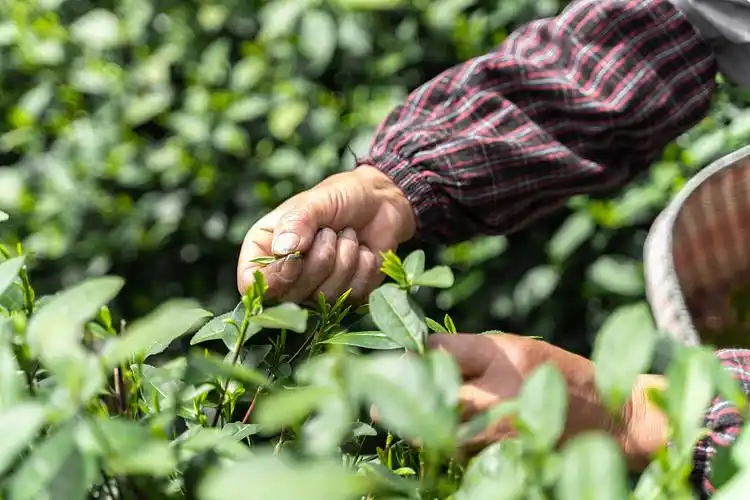
The most prized harvest standard is one bud and one or two young leaves, known as the imperial pluck. This ensures a high ratio of amino acids to catechins, giving a sweet and mellow cup. Farmers also leave enough mature leaves to support photosynthesis, promoting the plant’s next flush and long-term health.
Incorrect plucking—breaking tender stems or stripping too many leaves—can weaken the tea bush and reduce yields for future seasons. No wonder tea drinkers often ask online, “How do you pick tea leaves without damaging the plant?” or “What is one bud two leaves picking?”.
Green Tea
Harvesting Techniques
- From Tang Dynasty Wisdom to Today’s Global Tea Culture
Whether you are whisking a bowl of Japanese matcha, savoring a fragrant cup of Earl Grey in Europe, or enjoying a smooth California pu’er, the rhythm of the tea harvest remains much the same as it was over a thousand years ago. Understanding this timeless “time-space rule” not only deepens your appreciation of every sip but also connects you to the shared tradition that tea lovers around the world continue to celebrate today.
Q1: When is the best time to harvest tea leaves (the “first flush”)?
A1: The best time is typically in spring, especially in the “second, third, fourth months” (roughly March to May), when the buds and young leaves are tender and rich in flavor compounds. This early spring flush is often called the “first flush” in tea-growing regions.
Q2: Will rain or cloudy weather damage freshly picked tea leaves?
A2: Yes. Rain increases moisture content and risks microbial growth or unwanted oxidation. Cloudy weather reduces photosynthesis, limiting the development of sugars and aromatic precursors. Thus, tea artisans prefer dry, bright mornings without heavy clouds.
Q3: What is the “one bud and one or two leaves” picking standard?
A3: This is a classic picking specification meaning for each pluck, you harvest the new bud plus the first leaf or two youngest leaves. It strikes a balance between capturing high-quality material and leaving enough leaf for the plant’s health and future growth.
Q4: Do different tea types require different harvesting weather and timing?
A4: Yes. Green tea is often harvested earlier under gentle, mild conditions to preserve fresh aroma. Black tea may be harvested a bit later with more sun to develop richer polyphenols. Oolong picks sometimes use slightly cloudy but dry periods to balance moisture and partial oxidation.
Q5: How do modern tea farms monitor weather and quality for harvesting?
A5: Many use weather sensors, soil moisture meters, forecast models, and even drones or spectral imaging to decide ideal plucking windows. This complements traditional wisdom like “do not pick in rain / cloudy sunny days.”
Q6: How should I brew spring-picked tea to best enjoy its flavor?
A6: Use moderate temperature water (for green teas around 75–85°C, for black teas ~90–95°C) and shorter infusion times for the first few brews. Always taste and adjust. Gentle multiple infusions often reveal layered aromas and flavors.