
I. Millennial Origins: The Accidental Gift of the Ancient Tea Horse Road
The Plight of Cold-Natured Rough Tea
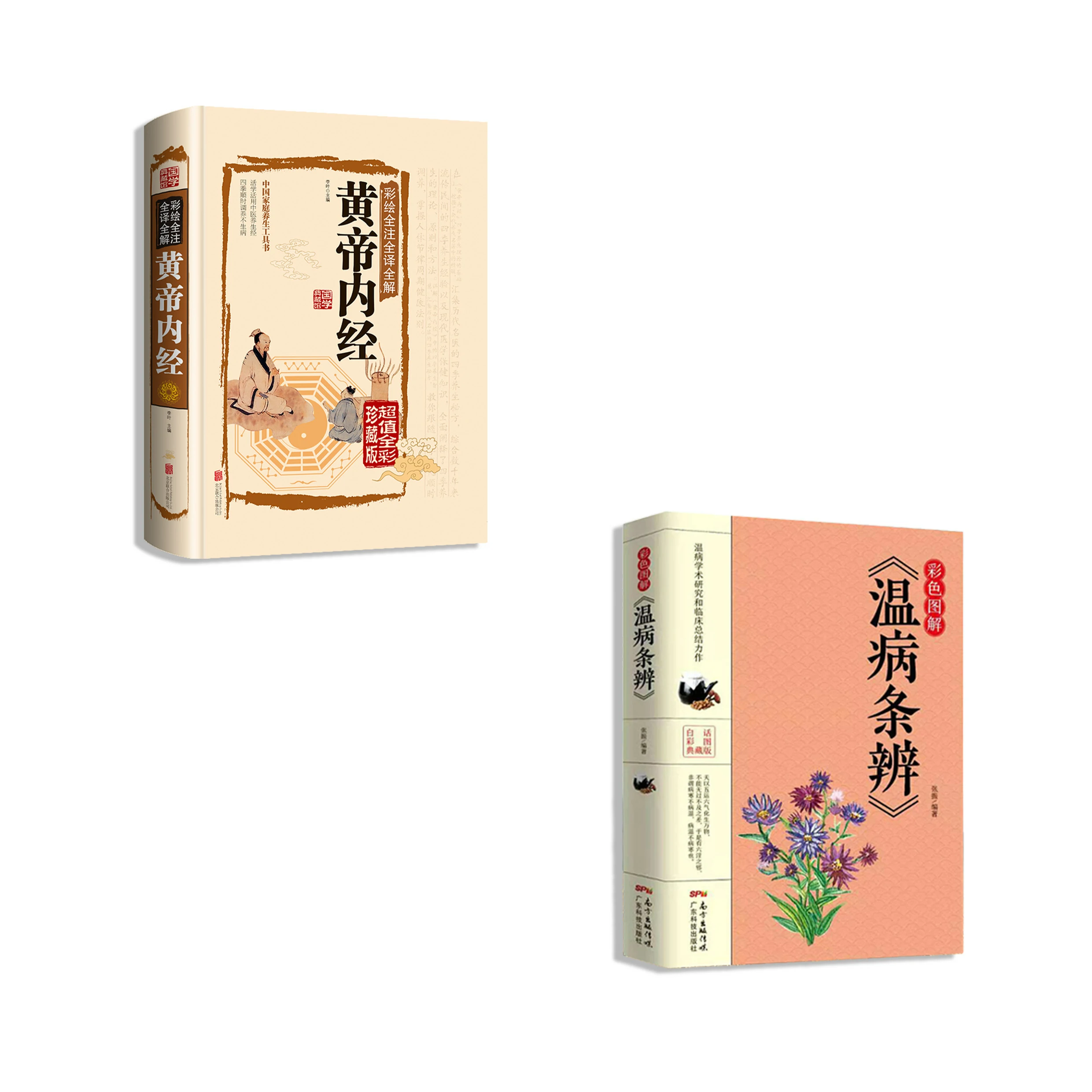
Early Pu-erh tea leaves were simply processed into maocha (rough tea) after picking. Due to its cold nature, direct consumption could easily harm the spleen and stomach. As The Yellow Emperor’s Canon of Internal Medicine states: “Cold in the body and cold drinks damage the lungs”, confirming the burden of its cold properties on the body.
The Miracle of Natural Fermentation
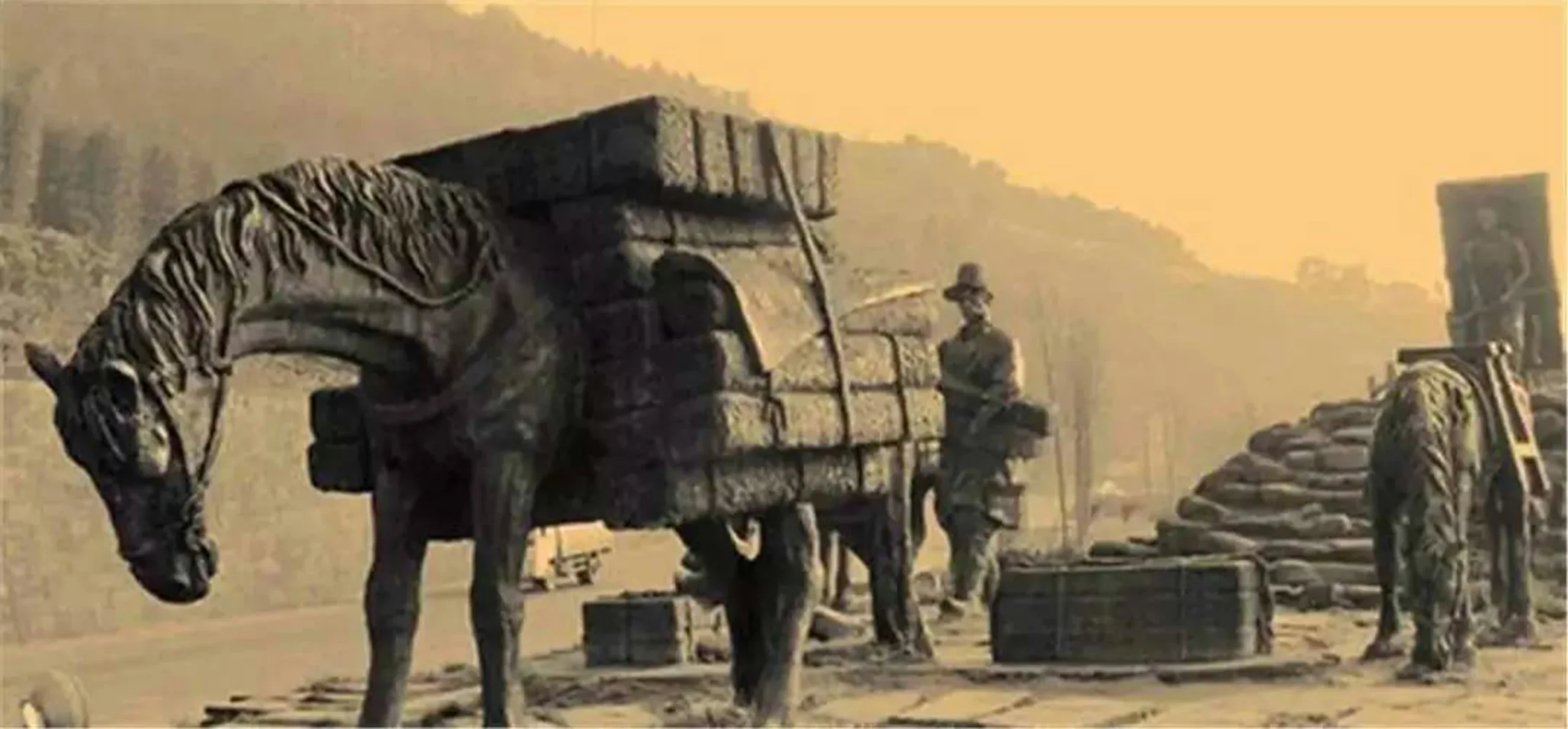
During transport along the Tea Horse Road, tea leaves underwent accidental natural fermentation through prolonged exposure to humidity and temperature fluctuations. Unintentional storage practices in Hong Kong tea warehouses further cemented the reputation that “Pu-erh improves with age”, laying the foundation for its collectible culture.
II. The Craft Revolution: Birth and Evolution of Wodui Fermentation
1. From “Black Tech” to State Secret
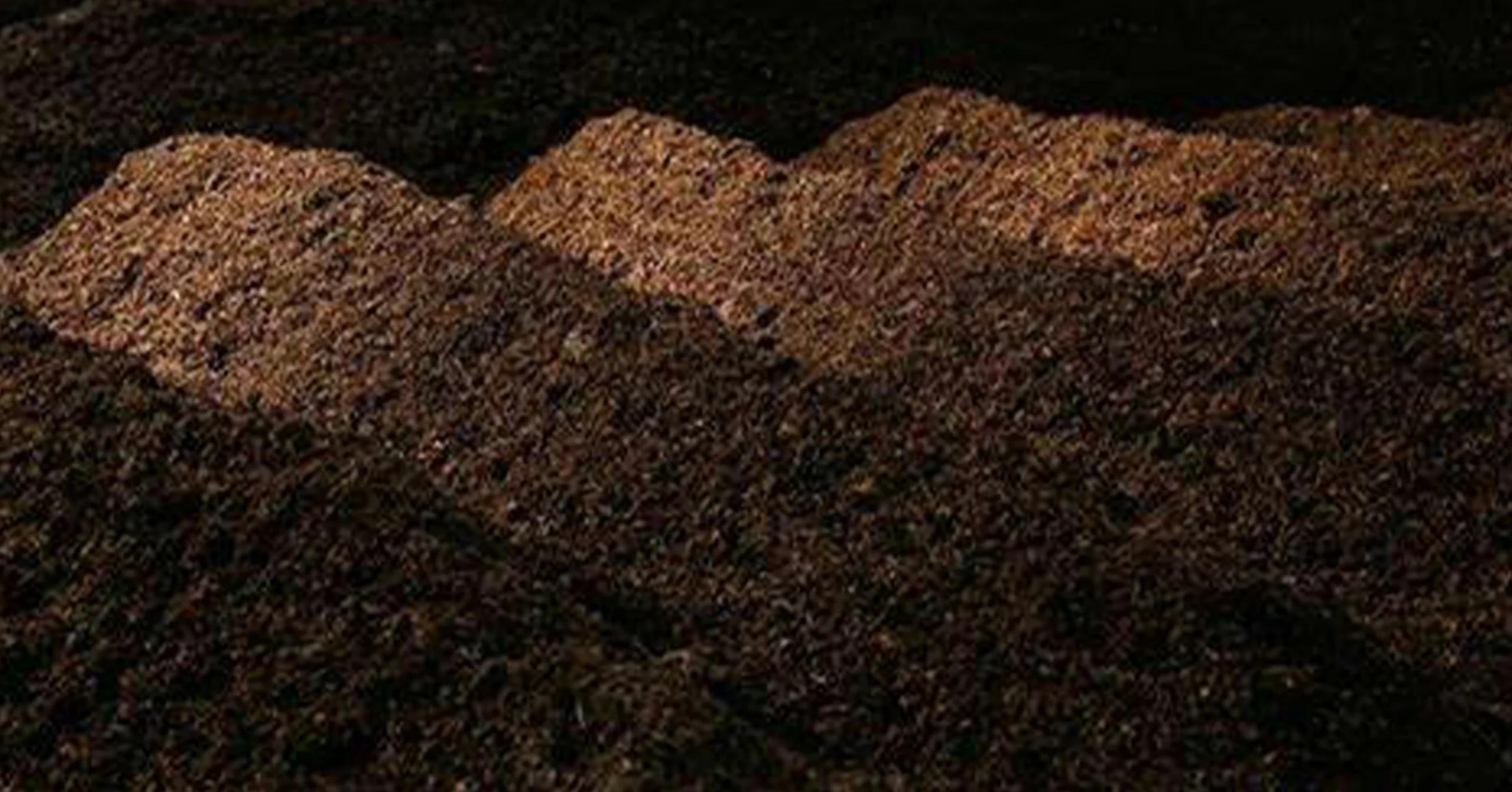
1970s Breakthrough: To accelerate aging, Yunnan tea masters developed Wodui fermentation—using watering, temperature control, and flipping to let microbes decompose bitter compounds, creating a mellow taste.
Technical Barrier: Early unstable techniques were classified as a state secret to prevent imitation. Pu-erh became Yunnan’s key foreign-exchange earner (GDP: 1970—¥3.852 billion → 1980—¥8.427 billion).
2. Modern Standardization
| Traditional Steps | Modern Upgrade |
|---|---|
| Sun-dried green tea → Tide-fermentation | 3rd-gen microbial tea processing |
| Flipping & block-breaking → Digging & air-drying | Light fermentation & off-ground techniques |
| Screening & shaping | Precise temp/humidity control → Stable quality |
III. Market Evolution: From Fringe to Mainstream
1970s–80s: Supplied mainly to Hong Kong, exported to Japan/Europe, core to Yunnan’s foreign trade.
Post-2003 Decline: Overshadowed by rising popularity of ancient-tree raw tea.
Innovation Revival: Products like Xiao Qing Orange (柑普茶) and Lao Cha Tou (老茶头) fused with youth culture, reigniting the trend.
IV. Tea Selection Guide: 5 Steps to Avoid Pitfalls
Smell: Cup tea leaves near nose—seek aged aroma, reject off-odors (tea absorbs smells easily).
Observe Liquor: Ideal brew is clear, bright red like wine; minimal sediment at cup bottom.
Check Leaves: Avoid carbonized leaves/blackened edges (signs of flawed processing).
Taste: Reject tea that feels stiff, flavorless, dry, or causes throat tightness.
Trace Origin: Hygiene-critical during Wodui (warm/moist piles breed bacteria).
V. Wellness Wisdom: Pu-erh’s Role in Chinese Traditional Medicine
Neutralizing Cold: Wodui fermentation transforms cold properties, reducing irritation to lungs/spleen.
Warm-Nature Benefits: Ripe Pu-erh’s warmth aligns with Treatise on Febrile Diseases: “Heat pathogens injure body fluids”—its soothing liquor nourishes fluids and eases dryness.
Classical Texts Corroborate:
Yellow Emperor’s Canon warns of cold → Wodui eliminates raw tea’s cold nature.
Treatise on Febrile Diseases advocates fluid preservation → Ripe tea’s warmth meets wellness needs.
Epilogue: The Living Fossil’s Future
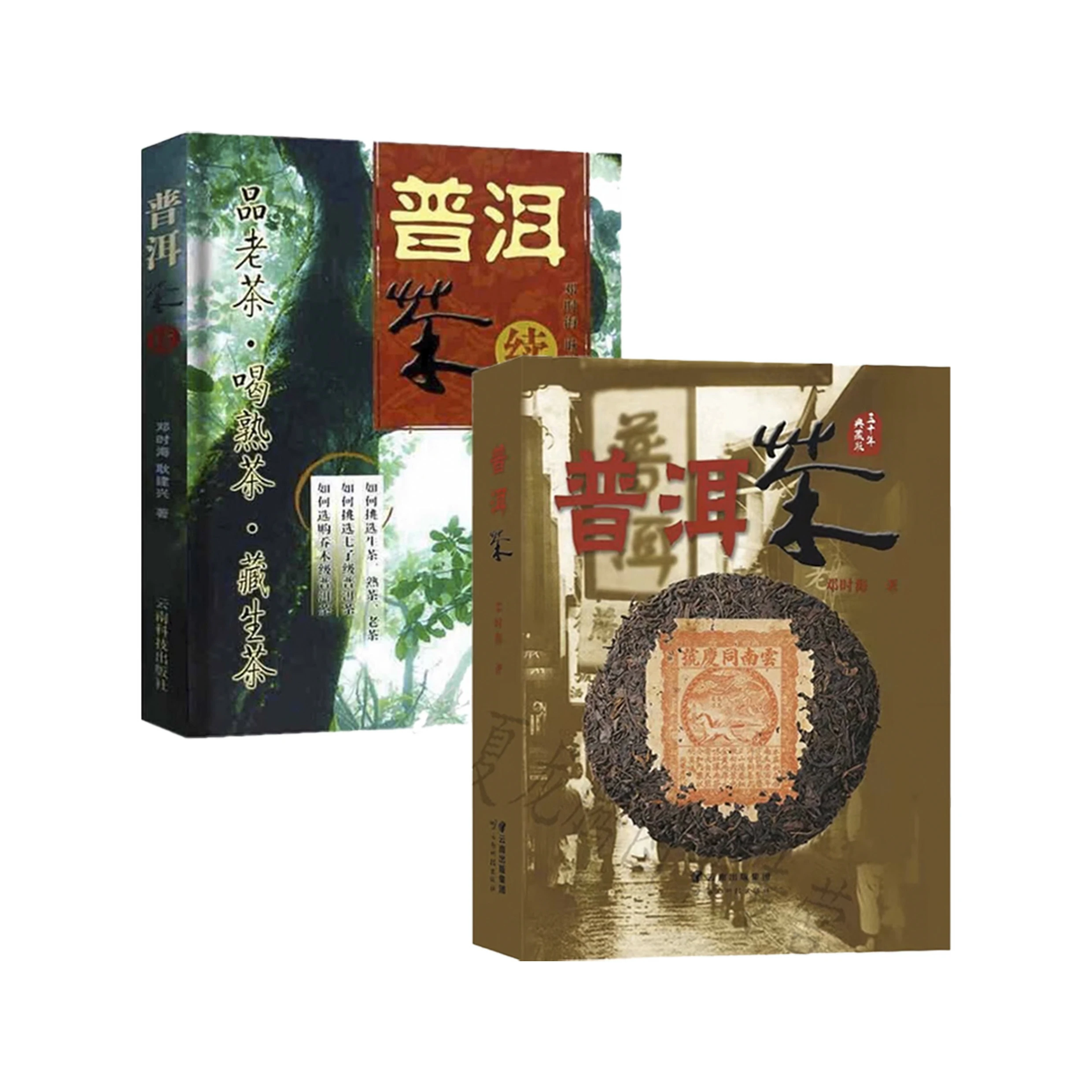
From accidental fermentation on horseback to microbial revolution in labs, Pu-erh carries the legacy of agrarian wisdom meeting modern science. As you hold a cup of radiant crimson ripe Pu-erh, it offers not just time-transformed flavors—but a sip of China’s thousand-year tea history.