
In Chinese tea culture, yellow tea is known as “the Humble Gentleman” — gentle in nature, subtle in taste, and rooted in reverence. Among the six major tea types — green, yellow, white, oolong, black, and dark — yellow tea is the least known, yet holds profound cultural significance.
Though absent as a distinct category in Lu Yu’s Classic of Tea, the earliest blueprint of yellow tea craftsmanship may be found in its pages. Lu Yu wrote:
“Pick the leaves, steam them, pound them, press them, roast them, string them, seal them — then the tea is dried.”
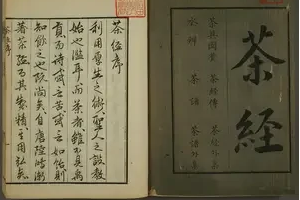
This ancient sequence of steaming, pounding, roasting, and sealing reflects the embryonic form of yellow tea production. Today’s key step in yellow tea — the “sealed yellowing” — finds its philosophical and practical origin here.
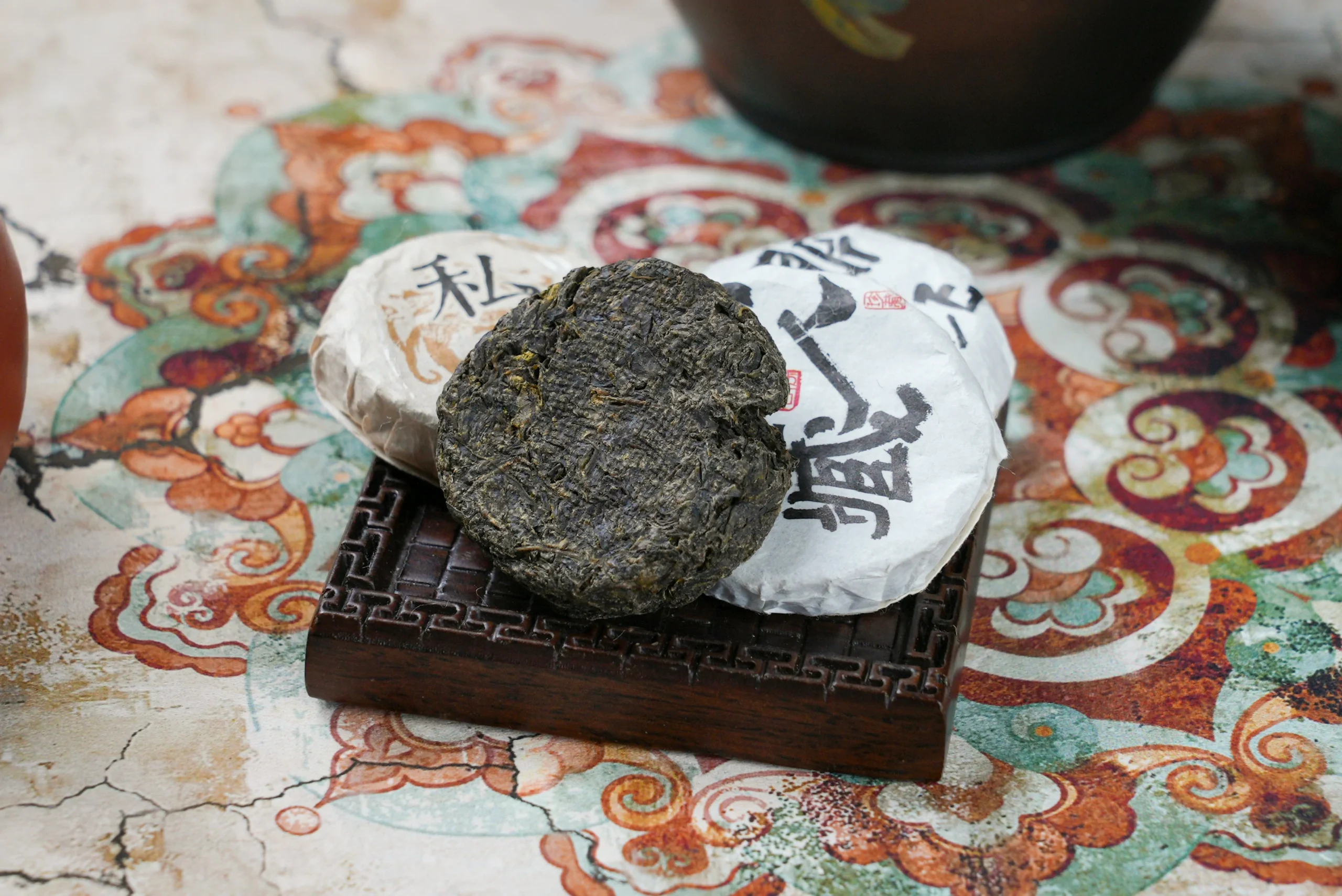
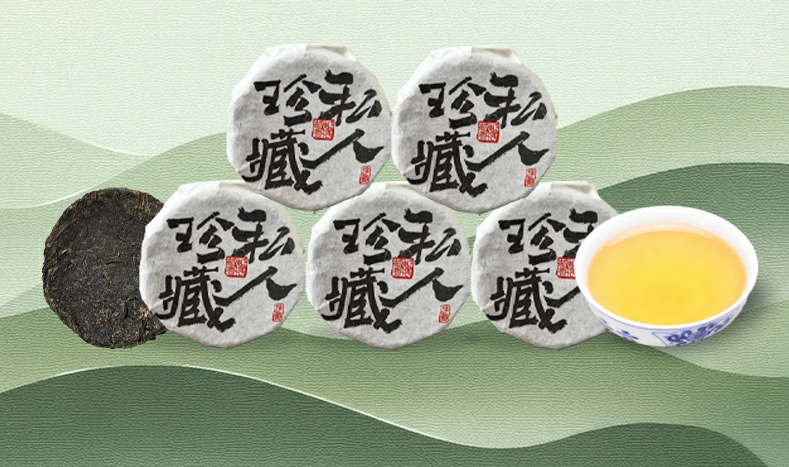
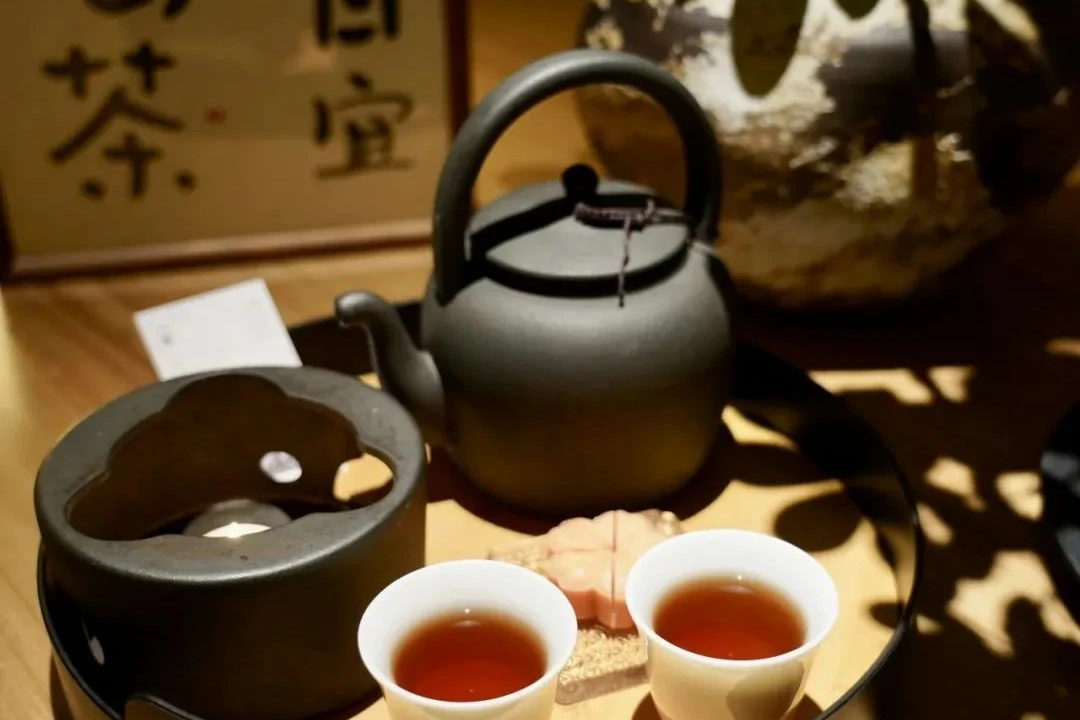
At Excellent Forest Tea, we have faithfully revived this nearly forgotten art. Using historical records and traditional techniques, we craft yellow tea into compressed nuggets that cannot be brewed in a gaiwan, but must be simmered gently in a pot to reveal their essence.
Click here or the following picture to enjoy the beauty of Yellow Tea.
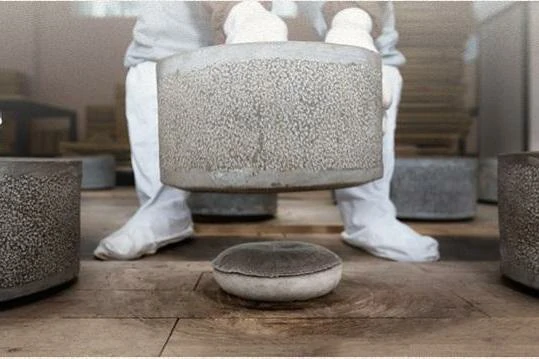
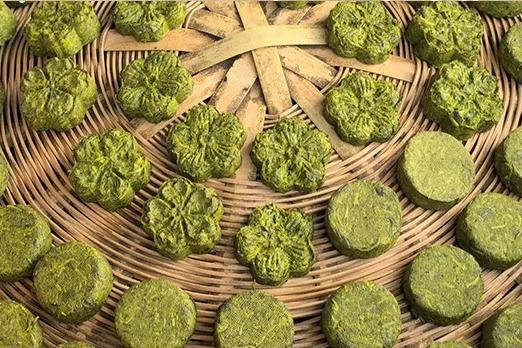
Stone-Mortar Pounding
Steam-Fixation
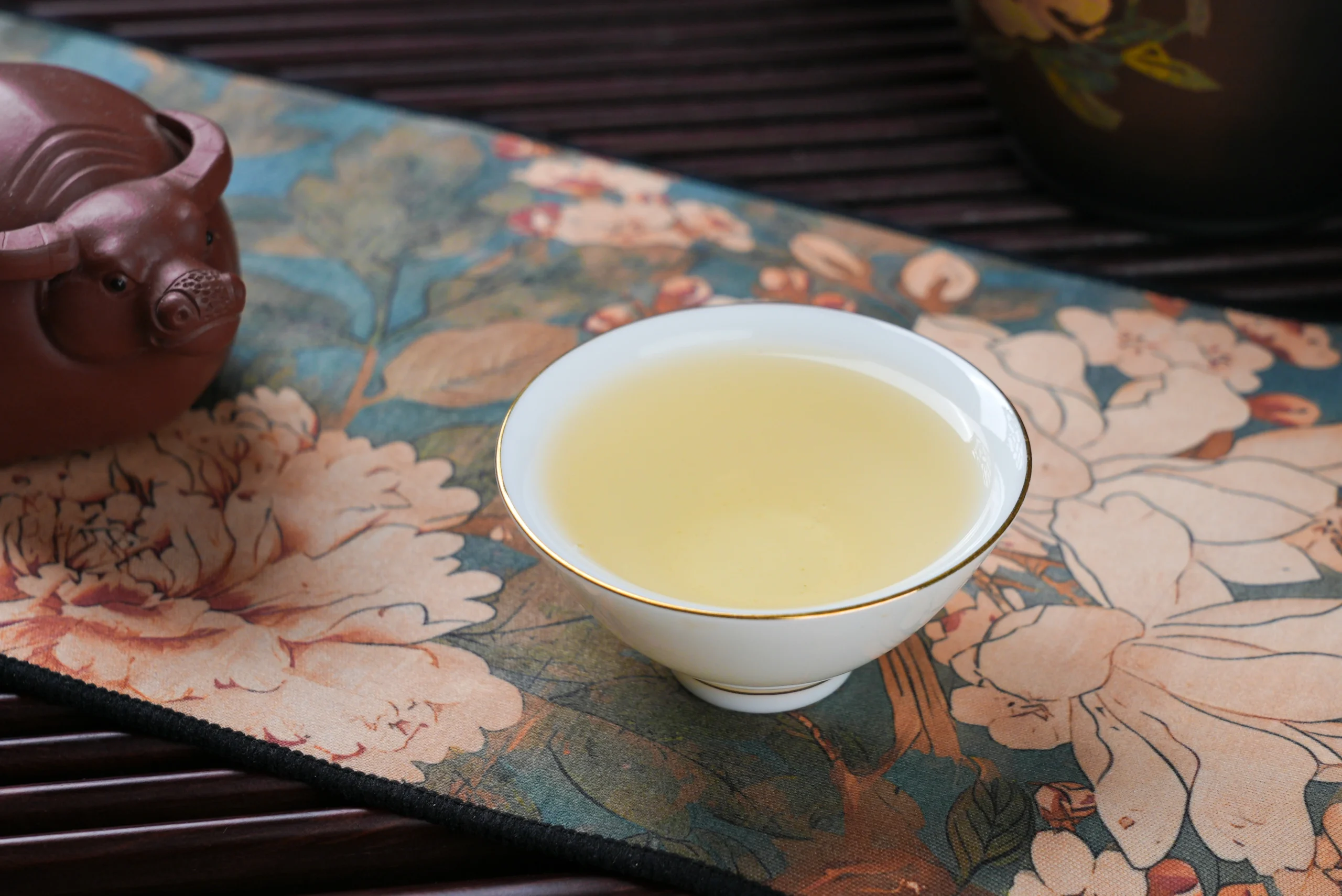
The taste begins soft, almost imperceptible. Then, gradually, a gentle orchid fragrance emerges — elusive, yet lingering on the palate and in the nose. By the second pot, this aroma settles into the chest, bringing clarity, warmth, and calm.
In summer, drinking yellow tea releases a warm, gentle sweat — not from heat, but from internal energy unblocking. It is a quiet detox, a gentle release, an inner cleansing.
In Traditional Chinese Medicine, yellow tea “enters the Heart Meridian”, aiding emotional balance. Taoist practitioners have long valued it during meditation and breathing exercises. To them, its quiet strength mirrored the cultivated self — unhurried, modest, and enduring.
To be low-key is not to be ordinary.
To be gentle is not to be weak.
Yellow tea is not about impressing — it is about awakening what is most refined within us.