
Ⅰ.The Core Logic of The Classic of Tea’s Soil Hierarchy
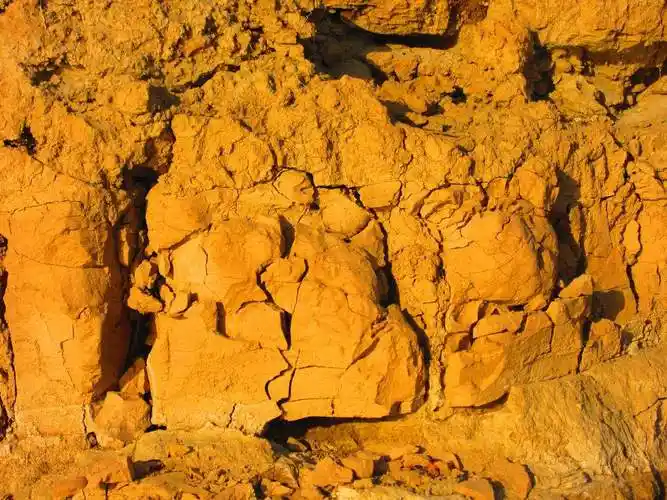
Lu Yu’s famous judgement—“the best tea grows in weathered rock (lan-shi), next in gravelly loam (li-rang), and least in yellow earth (huang-tu)”—is not an aphorism pulled from thin air but a field-tested framework. In Lu Yu’s usage, “weathered rock” refers to rock that has undergone long-term decomposition into fractured, crumbly aggregates (often derived from sandstone, shale, or granite). Such soils are fast-draining and highly aerated, with fissures that allow roots to penetrate deeply and access a slow, steady release of mineral ions. “Gravelly loam” mixes small stones with loamy particles: it drains adequately, retains moderate moisture, and remains reasonably friable—acceptable, though not ideal. By contrast, “yellow earth” denotes heavier, often calcareous or clay-rich subsoils that compact easily, pond during rain, harden in drought, and restrict root exploration and gas exchange.
This hierarchy came from Lu Yu’s first-hand observations across Tang-era tea districts such as Xizhou and Guangzhou (today’s Yichang and Xinyang regions). He compared plant vigor, leaf morphology, picking outcomes, and drinking quality, then abstracted a simple but durable rule: porous, mineral-active substrates nurture better tea. Modern agronomy would describe his principle as an early articulation of three essentials—structure (aeration and drainage), chemistry (mineral availability and suitable acidity), and hydrology (balanced water holding without anoxia). In short, where rocks have crumbled and slopes breathe, the tea tree thrives; where earth compacts and water lingers, quality declines.
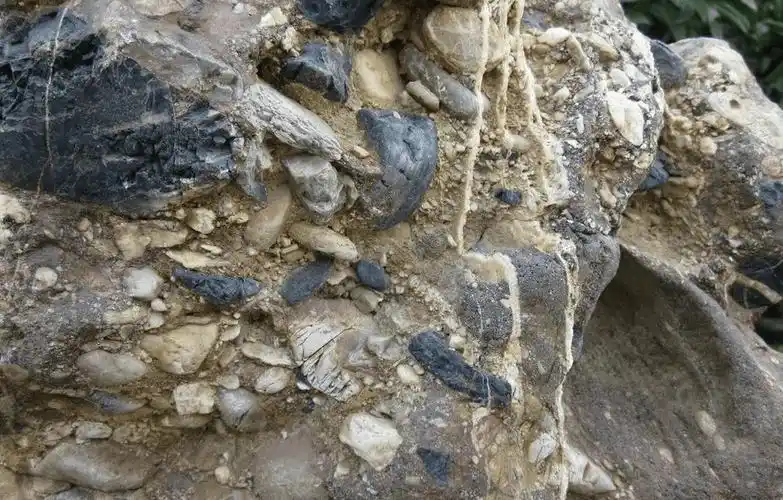
Weathered rock
Loess soil
Ⅱ.How Soil Shapes the Tea Plant
Tea (Camellia sinensis) is a deep-rooted, acid-loving perennial. Its performance hinges on root architecture, nutrient uptake, and the accumulation of flavor precursors. In weathered-rock soils, macropores and cracks let fine roots proliferate vertically and laterally. This enlarges the absorptive surface for potassium, magnesium, manganese, and trace elements that play roles in photosynthesis, osmotic regulation, and enzyme function. The outcome is higher potential for balanced tea polyphenols, amino acids (notably theanine), and volatile precursors—building blocks of sweetness, body, and layered aroma.
Gravelly loam still offers reasonable porosity, but with fewer deep fractures and somewhat steadier moisture. Root systems remain healthy yet slightly less exploratory; mineral release can be slower, translating into teas that are clean and gentle but often less “rocky” or tensile on the palate. In yellow earth, impaired aeration and episodic waterlogging suppress new rootlets and can reduce root vitality. Nutrient imbalances follow—excess base ions or bicarbonates may blunt acidification and restrain polyphenol synthesis—yielding leaves that brew heavier, flatter cups with muted aroma.
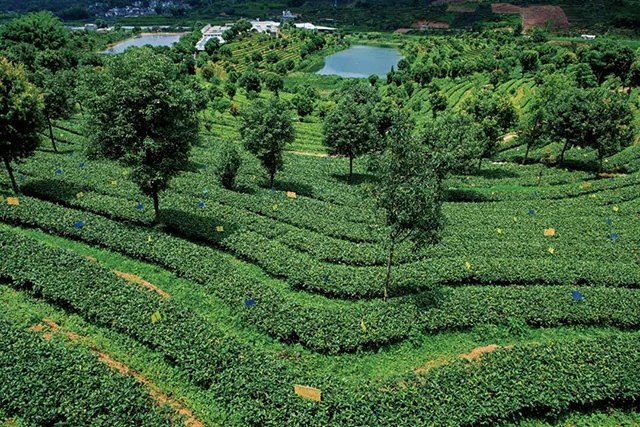
Modern practice mirrors Lu Yu’s insights. Growers add coarse material (stone chips, biochar), deepen topsoil, and incorporate organic matter to mimic weathered-rock structure. They maintain slightly acidic conditions (roughly pH 4.5–5.5) and avoid compaction through controlled traffic and mulching. These measures, now routine in quality-oriented tea gardens, essentially operationalize Lu Yu’s “best–next–least” soil ladder with contemporary tools.
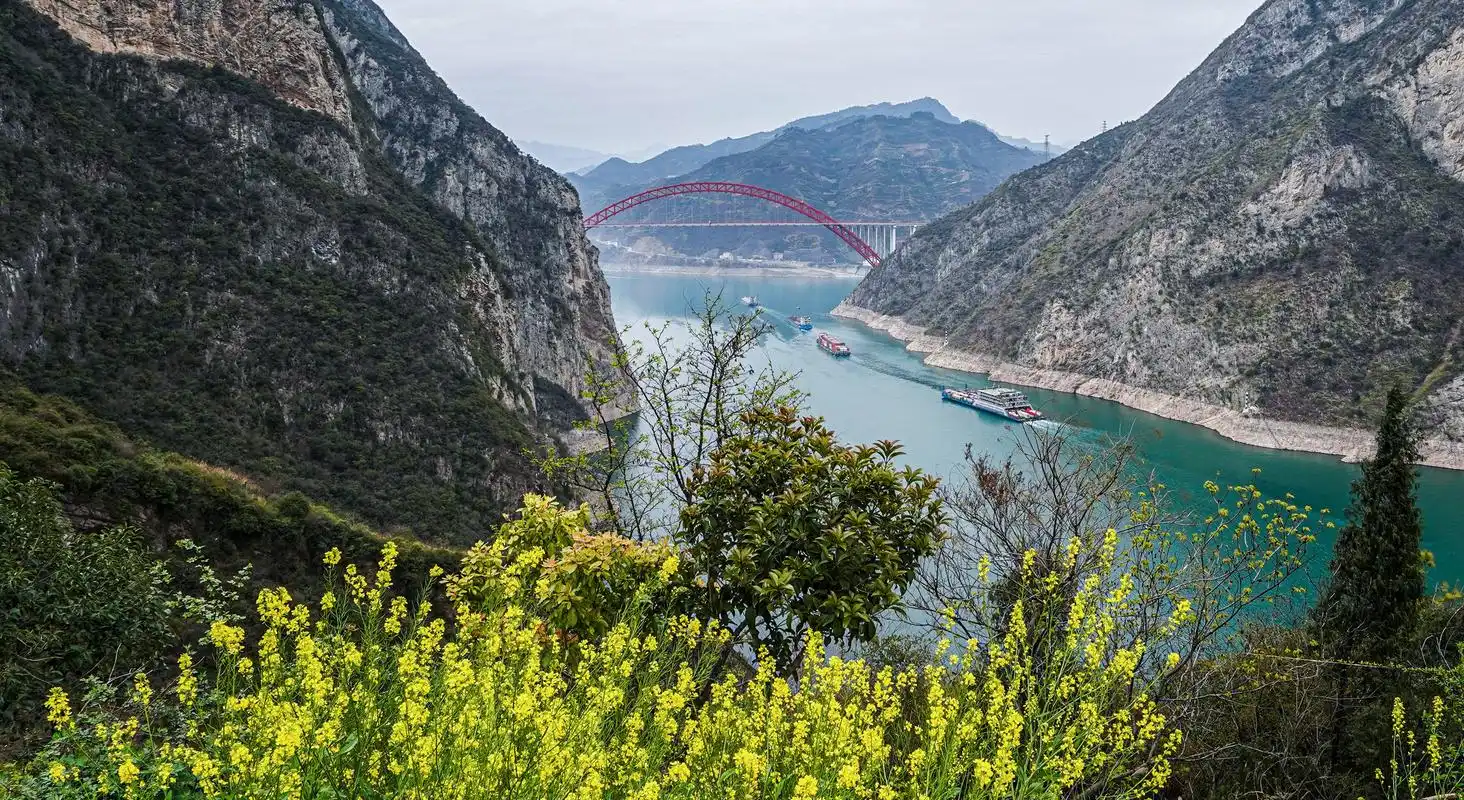
Xiazhou (a historical region in modern-day Yichang, Hubei)
Modern tea plantation
III. “Soil + Topography”: A Dual Key for Great Origins
Soil alone does not make a grand terroir; it must align with landform. Tang-era Xizhou and Guangzhou were hilly to mountainous, with dissected slopes, ventilated valleys, and ample yet well-drained rainfall—conditions that keep root-zones oxygenated and modulate temperature. Steeper aspects encourage runoff, preventing waterlogging; elevation brings diurnal swings that slow growth, foster metabolite accumulation, and polish aromatics.
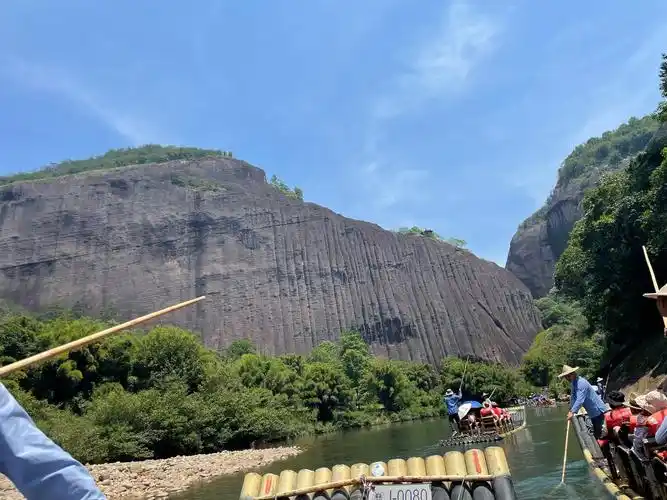
This dual key still defines elite modern origins. In the Wuyi Mountains, fractured sandstone and volcanic tuff weather into rocky substrates that, coupled with ravines and cliffy “grooves,” produce the celebrated “yan-yun” (rock rhyme) of oolong. Around Xinyang, gravelly loams on rolling slopes yield fresh, tensile greens like Xinyang Maojian. Yunnan boasts diverse landforms, and ancient trees are typically large arbor species, generally found in high-altitude areas with suitable temperatures in warm temperate to tropical regions., layered material for Pu-erh. Across these examples, the pattern repeats: porous, mineral-active soils set the stage; topography manages water and air; microclimate completes the arc from leaf chemistry to cup character.
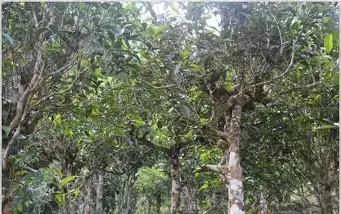
Ancient tea tree
Wuyi Mountain rock formation
Ⅳ.From Soil to Flavor: Linking Minerals, pH, and Cup
Flavor is the sensory mirror of site. Weathered-rock soils, with sustained mineral supply (notably K, Mg, and Si), often deliver teas of firm structure and clear contours—“bone and bloom,” in the classic phrase—where sweetness is underpinned by a faint, stony tension. Gravelly loam tends to produce rounder, gentler profiles—floral greens and light-to-medium oolongs with poised acidity but less rocky spine. In heavier yellow earth, restricted aeration and skewed chemistry can leave bitterness more angular and aromas less lifted.
pH is pivotal. Tea prefers modest acidity; too low, and roots struggle; too high, and micronutrient availability collapses. Within the sweet spot, nitrogen metabolism supports amino acids (softness and umami), while phenylpropanoid and terpenoid pathways shape floral, fruity, and toasty volatiles. Thus, site chemistry does not “add flavor” mechanically; it tunes the plant’s metabolism so that plucking standards, processing skill, and storage can reveal what the land composed.
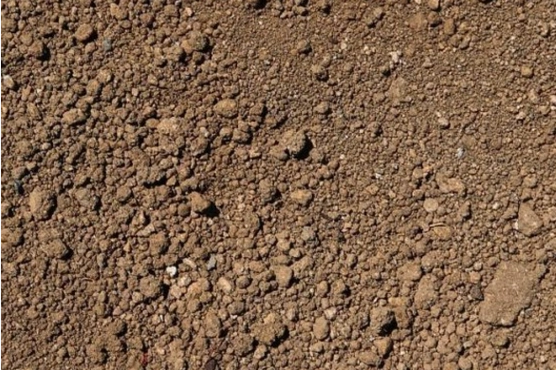
Gravelly soil
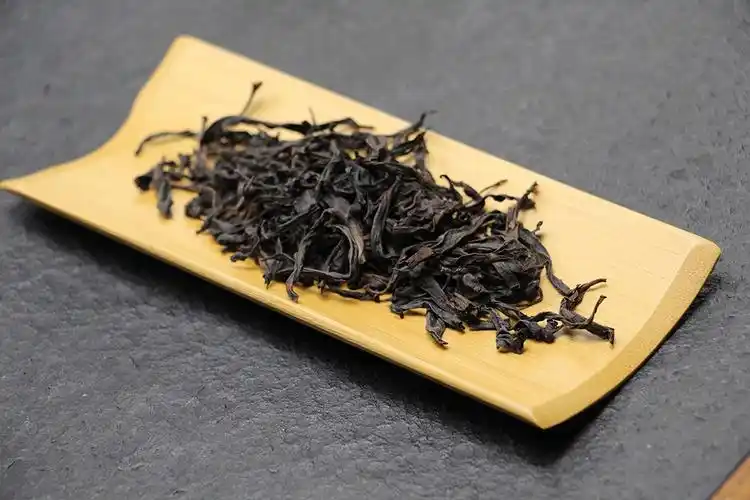
Light-fermentation oolong tea