
(This article comes with a coupon, so we warmly invite you to read through to the end!^_^)
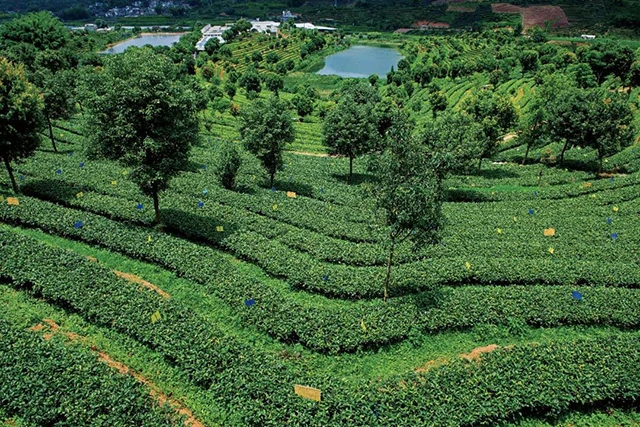
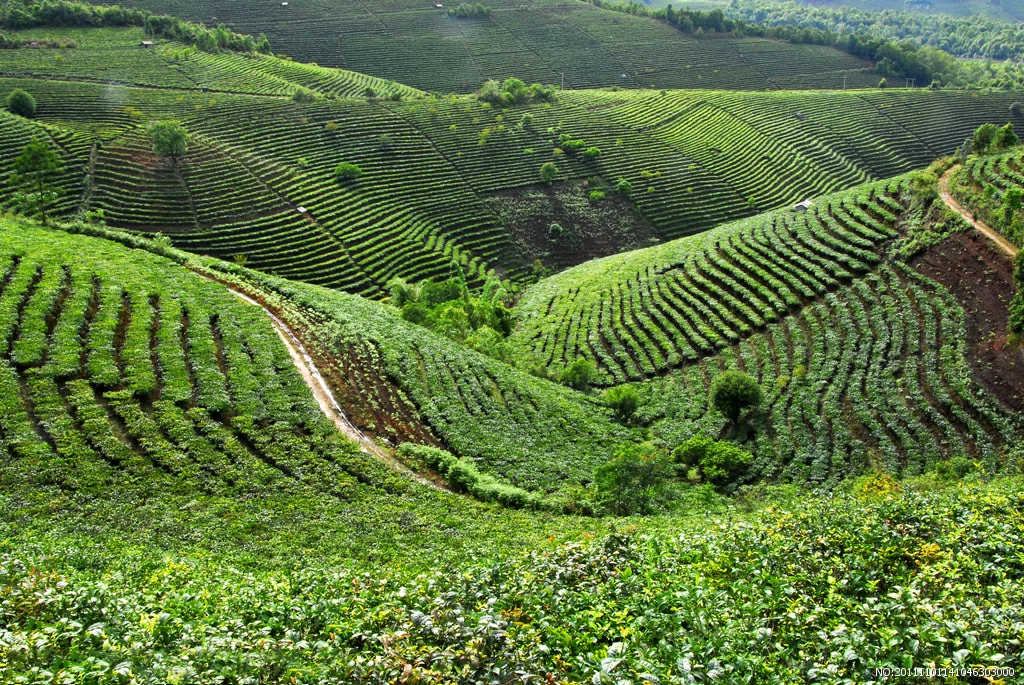
Tai Di tea, also known as tea from modern plantations, refers to tea grown on terraced fields or sloped land using modern agricultural methods such as dense planting and chemical fertilizers. While it is widely used in the tea industry, the term lacks a strict, official definition and is open to interpretation.
With the rise of mountain tea and highland teas, which are prized for their purity and natural flavors, Tai Di tea was introduced to distinguish plantation teas from these more traditional, organic varieties.
In contrast, forest tea or ancient tree tea comes from tea trees that are often over 100 years old, growing in natural environments without the use of chemical fertilizers. These trees are naturally resilient and produce tea with rich, complex flavors. Forest tea is not only considered more organic but also offers a unique, healthy tea experience, due to its rich concentrations of natural compounds and antioxidants.
While Tai Di tea is more affordable and offers consistent yields, ancient tree tea is sought after for its purity, health benefits, and distinctive taste. The growing demand for organic and healthy options in the tea market has led many consumers to favor forest tea over mass-produced plantation teas.
1. The Emergence of Tai Di Tea
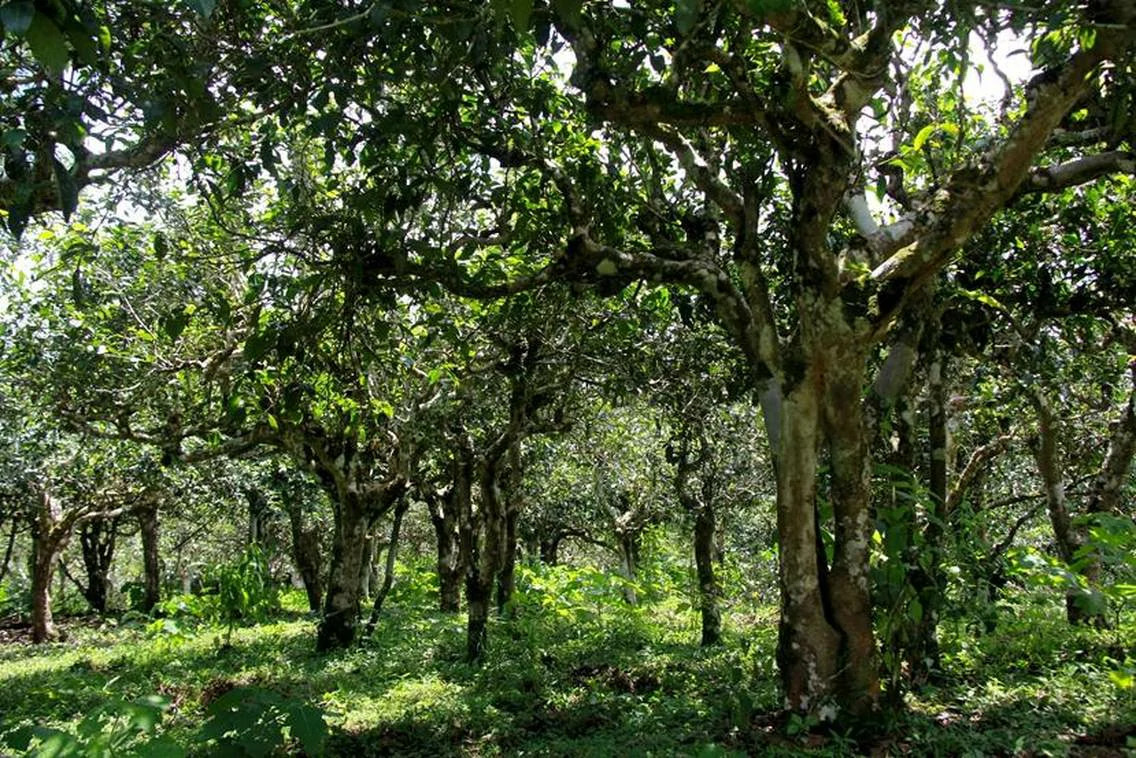
Tai Di tea is grown on terraced fields, designed to maximize space and yield. These plantations are often characterized by tightly packed, high-yielding, and fast-growing tea bushes, cultivated with modern methods that emphasize efficiency. The tea gardens, often planted with clonal varieties, benefit from fertilizers and pesticides to maintain high-quality yields.
The term “Tai Di tea” came into use around 2000, to contrast it with the more natural and traditional high mountain teas or forest teas. These modern tea gardens emphasize quantity over quality, often using chemical fertilizers to boost production, leading to concerns about sustainability and health.
2. The Development and Origin of Tai Di Tea
a. The Introduction of Terrace Planting In the 19th century, British explorers Gordon and Robert Fortune introduced terrace planting techniques to India and Sri Lanka, adapting them from ancient Chinese practices. The terrace planting system allowed for efficient cultivation, with uniform tea plants pruned to a consistent height for maximum yield.
b. Early Tai Di Tea Development in China China began experimenting with terrace planting methods in the early 20th century. Experts like Wu Jue Nong and Hu Hao Chuan brought terrace planting techniques back from their studies abroad, first trying the method in Anhui, Jiangsu, and Zhejiang. By the mid-20th century, terrace planting became more widespread, especially in tea regions like Yunnan.
3. Tai Di Tea Yield and Its Role in the Tea Industry
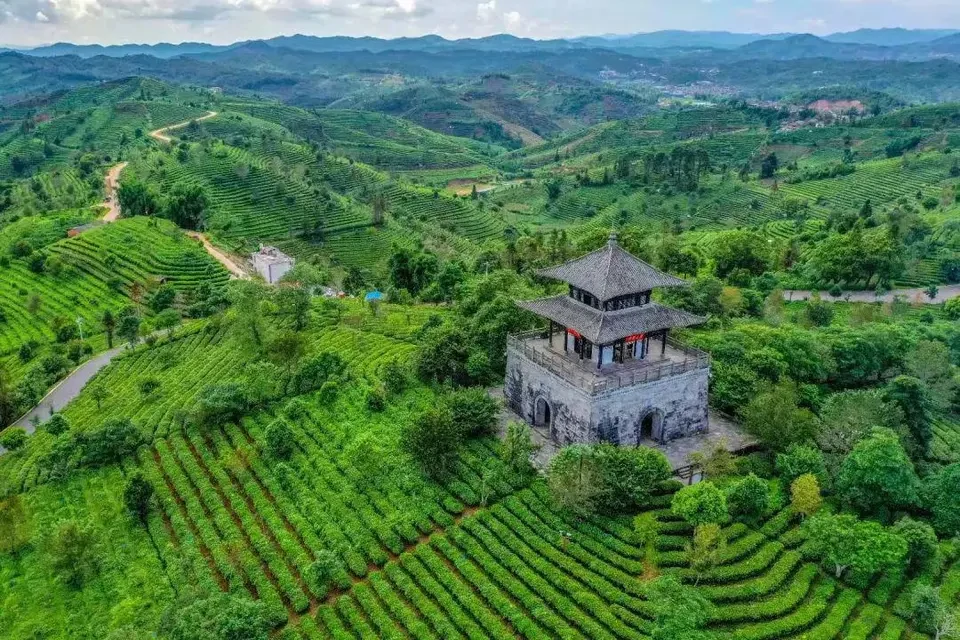
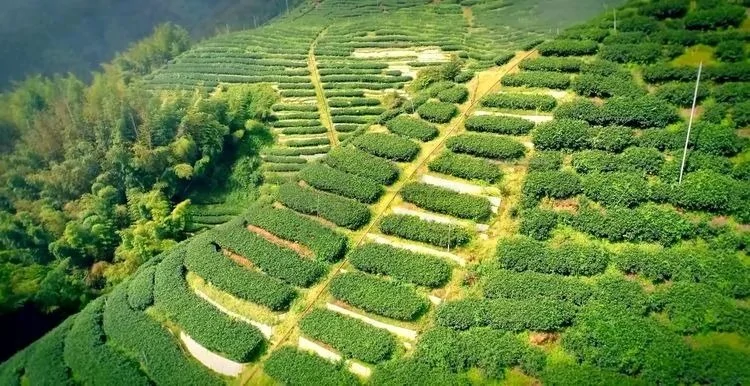
Tai Di tea is mainly produced in Yunnan, Sichuan, and Guizhou, with Yunnan being the largest producer. In 2005, the total tea planting area in Yunnan was 3.27 million acres. By 2023, it expanded to 8.03 million acres, with Tai Di tea comprising the majority of this acreage. These tea gardens focus on maximizing yield and meeting the demand for affordable, mass-produced tea.
Despite its large production, Tai Di tea is not always marketed as such. Major tea brands often use different names for their products, even though many of these teas are made from Tai Di tea bushes. The tea’s affordability and stable quality make it especially popular in the lower and mid-range markets.
4. Where Does Tai Di Tea Go?
Although Tai Di tea is produced in large quantities, it is rarely seen labeled as “Tai Di tea” in tea shops or online. Tea merchants often choose to market it under brand names without mentioning its origin from plantation teas. For example, popular teas like Da Yi 7542 and Lao Tongzhi 9948 are made from Tai Di tea, but this is not often made explicit to consumers.
5. Quality Differences Between Tai Di Tea and Forest Tea
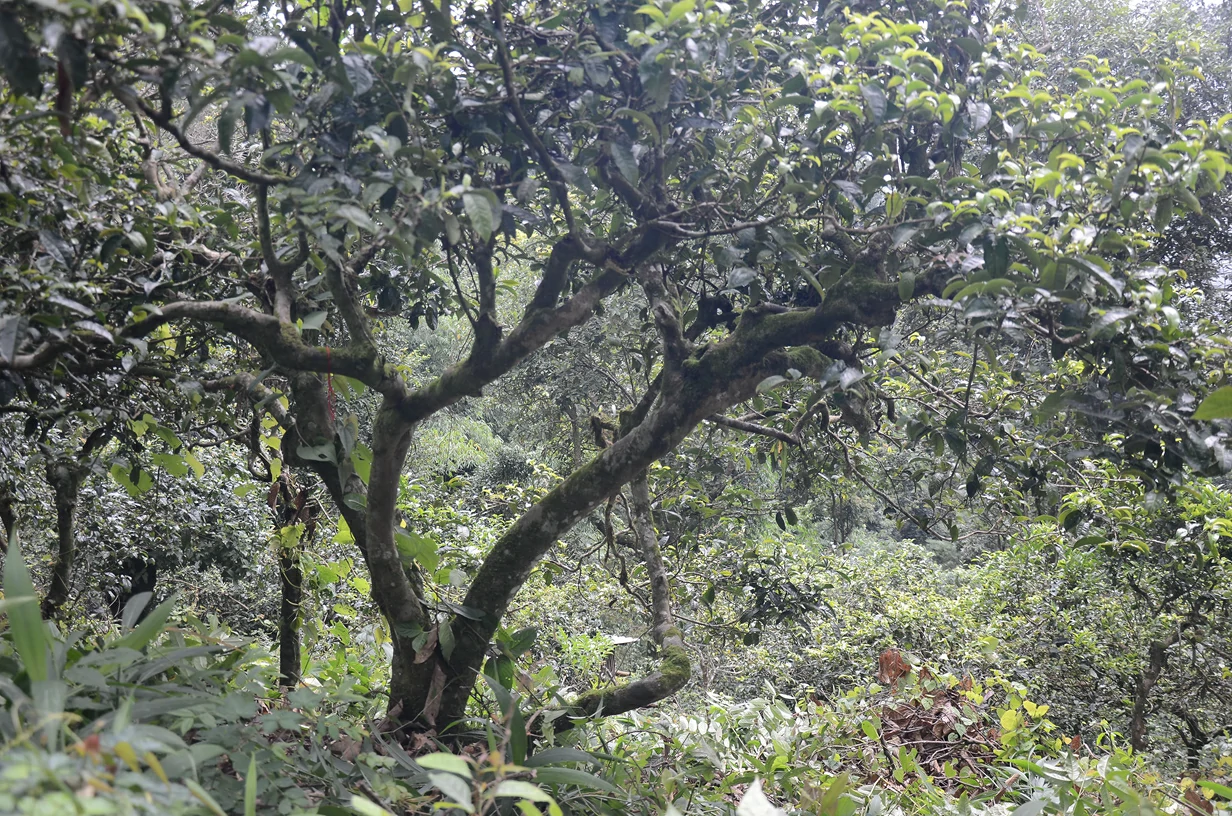
Forest tea, also known as ancient tree tea, is fundamentally different from Tai Di tea in both production methods and quality. Forest tea comes from ancient tea trees that are typically over 100 years old. These trees, which grow in natural, often mountainous environments, are highly valued for their complex flavors and aromas, which are absent in younger plantation tea bushes.
In contrast, Tai Di tea comes from younger tea trees, often less than 50 years old. While Tai Di tea has a lighter flavor and less aromatic depth, forest tea is prized for its robust taste, rich aroma, and higher nutritional content. Studies show that forest tea contains significantly higher levels of water-soluble substances, polyphenols, and amino acids, all contributing to its more complex flavor profile and higher antioxidant content. Additionally, forest tea has higher concentrations of essential trace elements like zinc and selenium, which are beneficial to health.
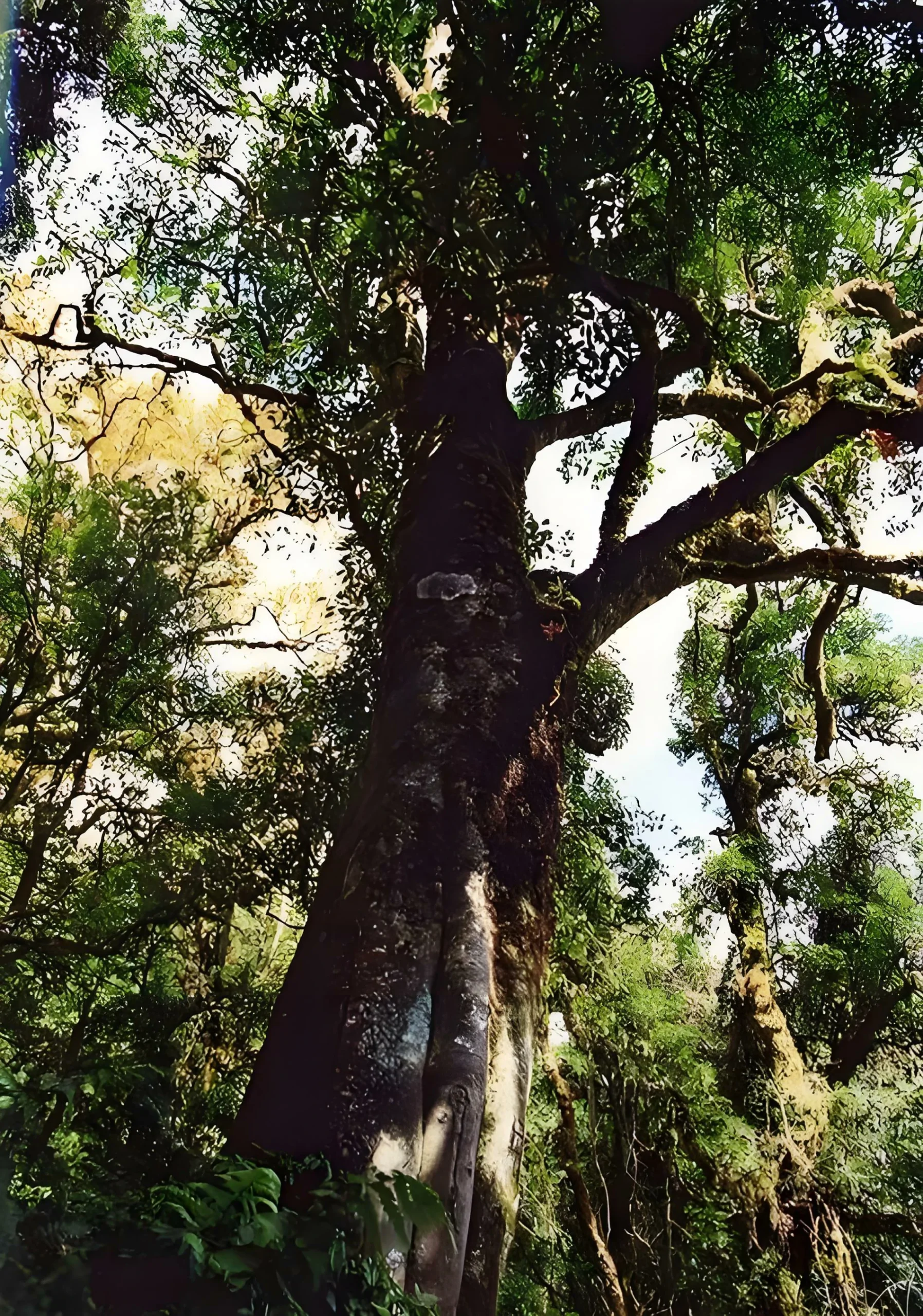
Forest tea, harvested from wild or semi-wild trees, is often grown without the use of chemical fertilizers or pesticides. This makes forest tea a naturally organic option, appealing to health-conscious consumers looking for healthy alternatives to conventional tea. Forest tea‘s superior quality and organic cultivation practices make it increasingly popular among those seeking a healthier and more sustainable tea option.
6. Forest Tea’s Role in the Market: The Rise of Organic and Healthy Tea Options
As consumers become more aware of health issues related to pesticides and chemical fertilizers, forest tea is being increasingly recognized as a premium, organic, and healthy alternative. Unlike Tai Di tea, which may rely on modern agricultural techniques and chemical inputs, forest tea is often grown in pristine environments where the use of chemicals is minimal or nonexistent. This makes it an ideal choice for those seeking a more natural, organic, and healthy product.
According to the 2024 China Ancient Tea Tree Resource White Paper, forest tea is becoming a cornerstone of China’s tea industry due to its health benefits and increasing market demand for organic products. The use of ancient tea trees, often found in remote and protected forested areas, helps preserve biodiversity and promote eco-friendly farming practices, further enhancing its appeal in the global market.
7. The Future of Tai Di Tea and Forest Tea
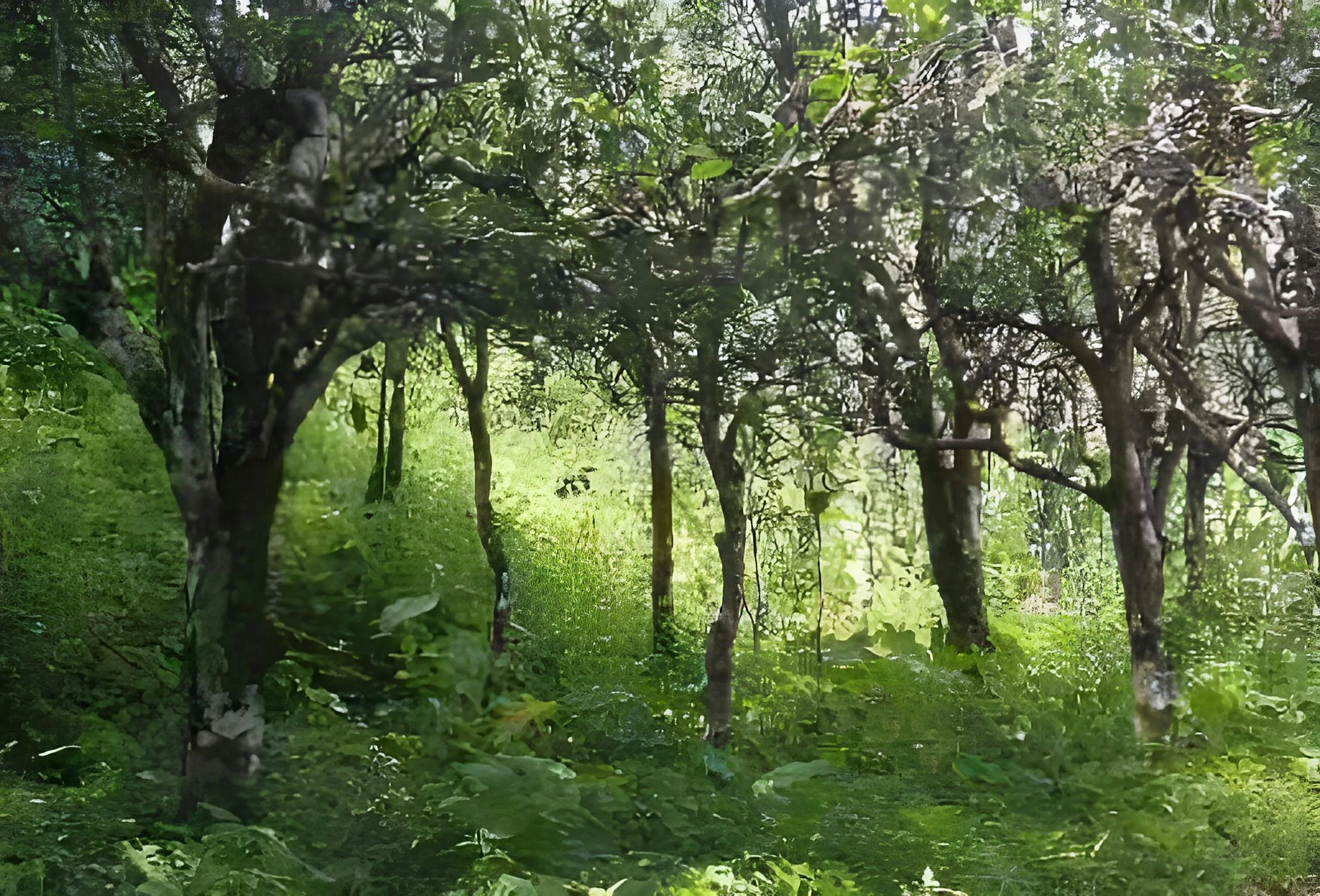
With the growing global demand for organic and healthy products, the tea industry is undergoing a shift. While Tai Di tea continues to dominate mass-market production, forest tea is emerging as a leader in the premium tea market, thanks to its superior health benefits and organic nature. The future of forest tea looks promising, with increasing interest in both domestic and international markets for its healthy, sustainable, and high-quality attributes.
As the tea industry continues to evolve, it’s clear that forest tea will play a pivotal role in the shift toward more sustainable, organic, and healthy tea production, while Tai Di tea may continue to serve the global demand for affordable, mass-produced teas.
As a tea factory provide organic teas for you, we owns more than 2,000 acres of tea gardens and operates three tea processing plants (Daxuqing Tea Factory, Xiaoqingtian Tea Factory, and Wukezhuang Ancient Tea Factory). It has completed organic certification conversion for 106.66 hectares (over 1,600 acres) of tea mountain area, including more than 600 acres of century-old arbor tea gardens.(You can click here for more information about our tea factory)
At our tea factory, we’re proud to provide organic and health-focused Pu’er teas.
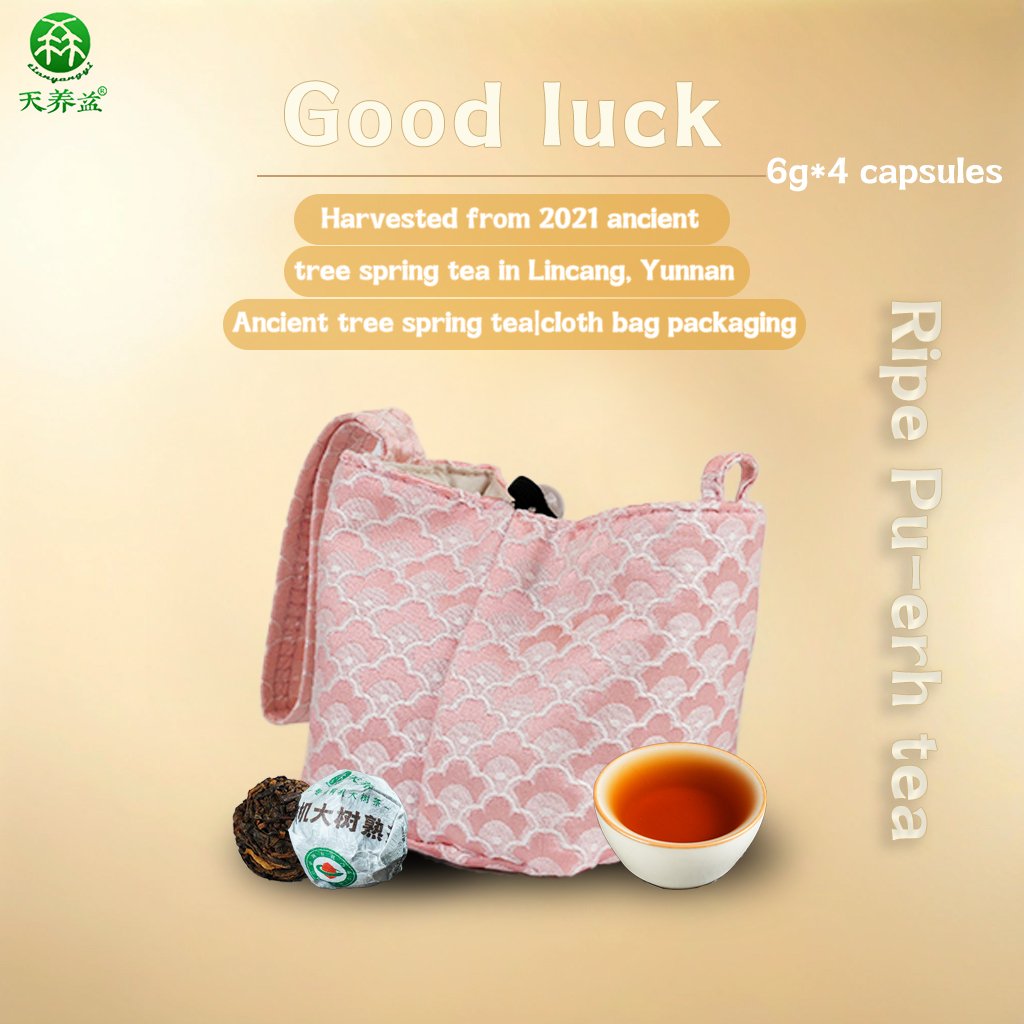
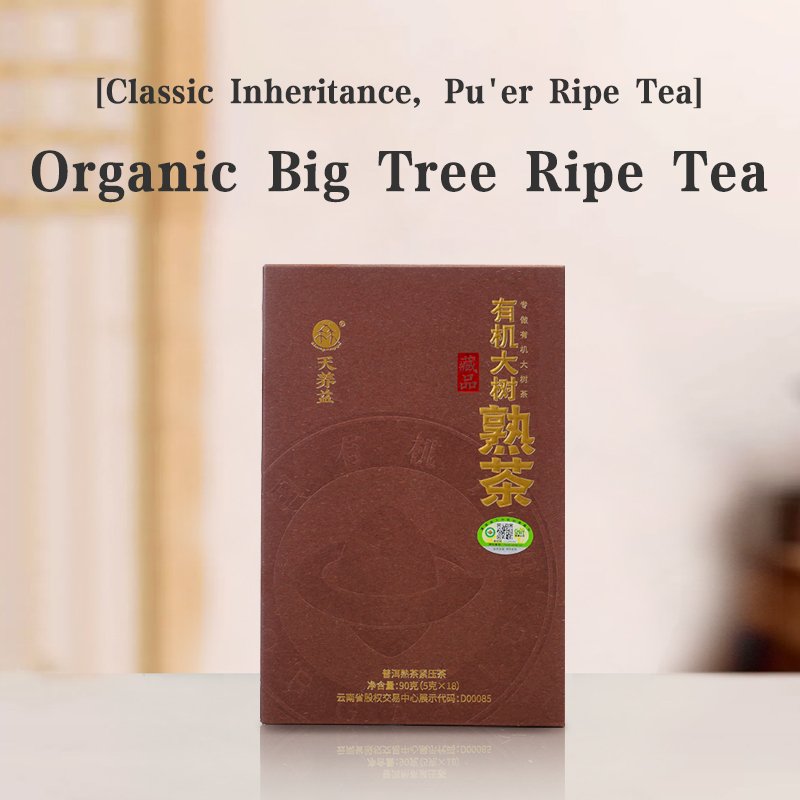
Enjoy a special offer—click the following pictures or the link to browse Good Luck Ripe Pu-erh Tea and Organic Big Tree Ripe Tea now. Don’t fogget to get your coupon while checking out.
Coupon code for Good Luck Ripe Pu-erh Tea- one box:
gq6zgtk7
Coupon code for Good Luck Ripe Pu-erh Tea- two boxes:
pkyvjybz
Coupon code for Organic Big Tree Ripe Tea:
uwf2hqt2
This artical was adapted by CHAT GPT 4o.