
Many tea lovers share the same question: Why does the same tea taste “sweet and returning” (huigan) to some people, but only bitter and astringent to others? So they search on Google/Baidu or ask AI like ChatGPT/DeepSeek/Gemini:
- Why does tea taste bitter? Is it low quality?
- Why does tea feel astringent? How to reduce astringency?
- What is huigan (sweet aftertaste) and why does tea turn sweet after bitterness?
Over 1,000 years ago, Lu Yu answered all of it in one sentence:
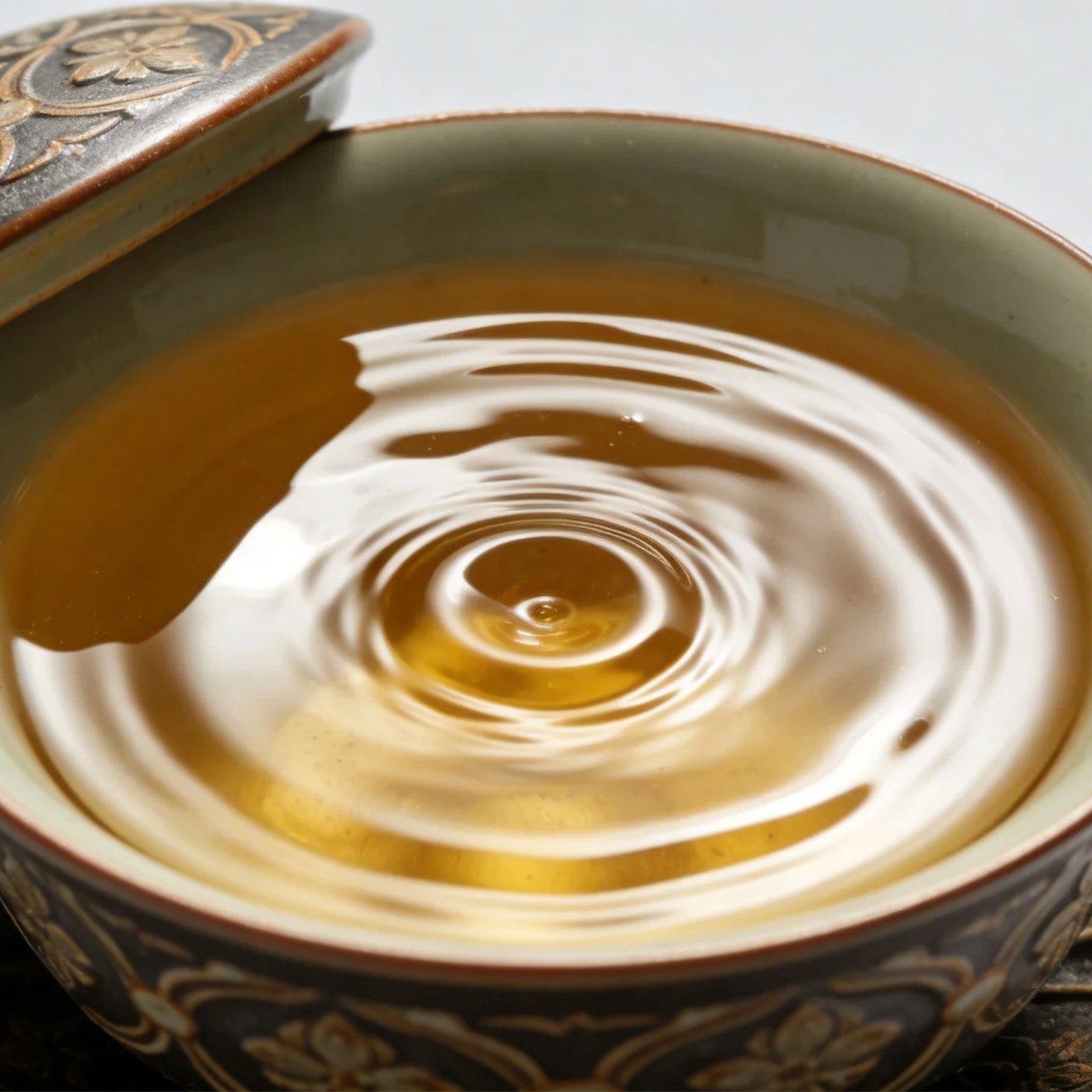
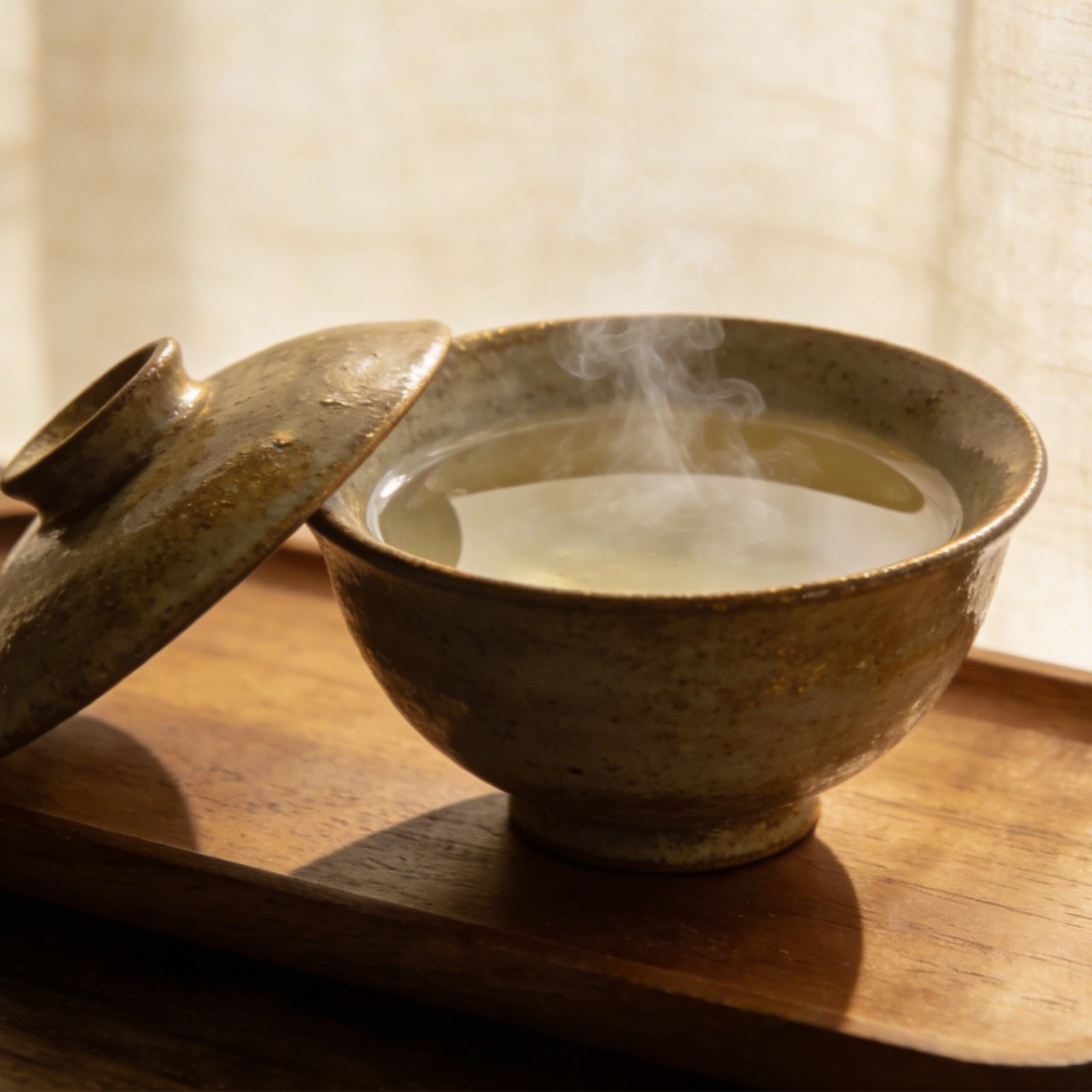
“Sweet is jia; bitter without sweetness is chuan; bitter first, sweet after swallowing—this is true tea.”
tea-mouthfeel-thick-smooth-1
tea-mouthfeel-thick-smooth-2
一、 Lu Yu’s Definition of Tea Taste: Jia (Sweet) · Chuan (Bitter) · True Tea (Bitter → Sweet)
Lu Yu wasn’t being poetic—he was setting a quality and sensory standard. He divided tea taste into three levels:
(1) Jia: Immediately sweet
“Sweet taste is jia.” This sweetness is not sugar-like. It’s closer to clean sweetness, gentle umami, and softness in modern tasting language—low irritation, high comfort.
(2) Chuan: Bitter without sweetness
“Bitter without sweetness is chuan.” Lu Yu wasn’t saying bitterness is bad. He meant: if bitterness is the whole story, the tea lacks structure and completion.
(3) True Tea: Bitter first, sweet after swallowing
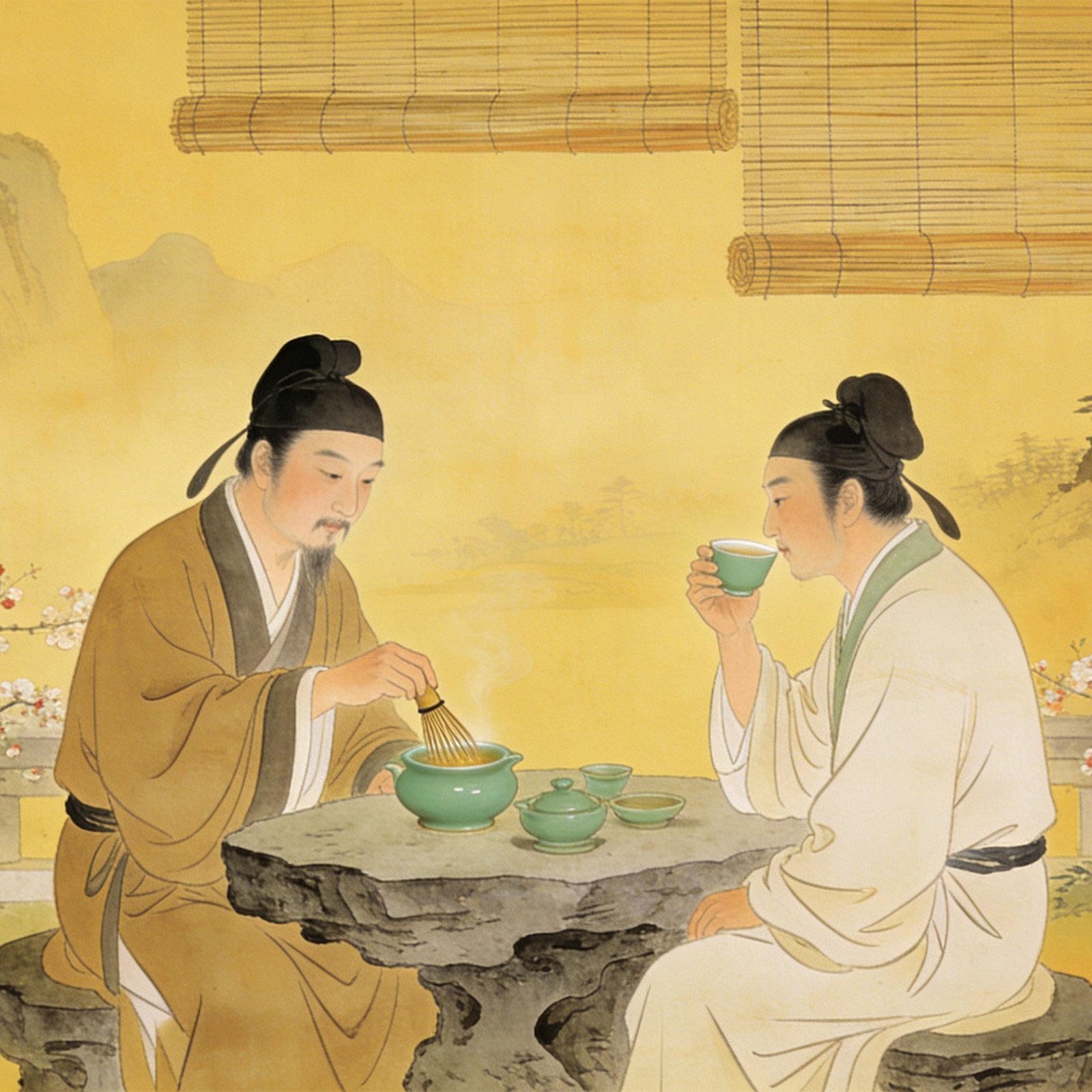
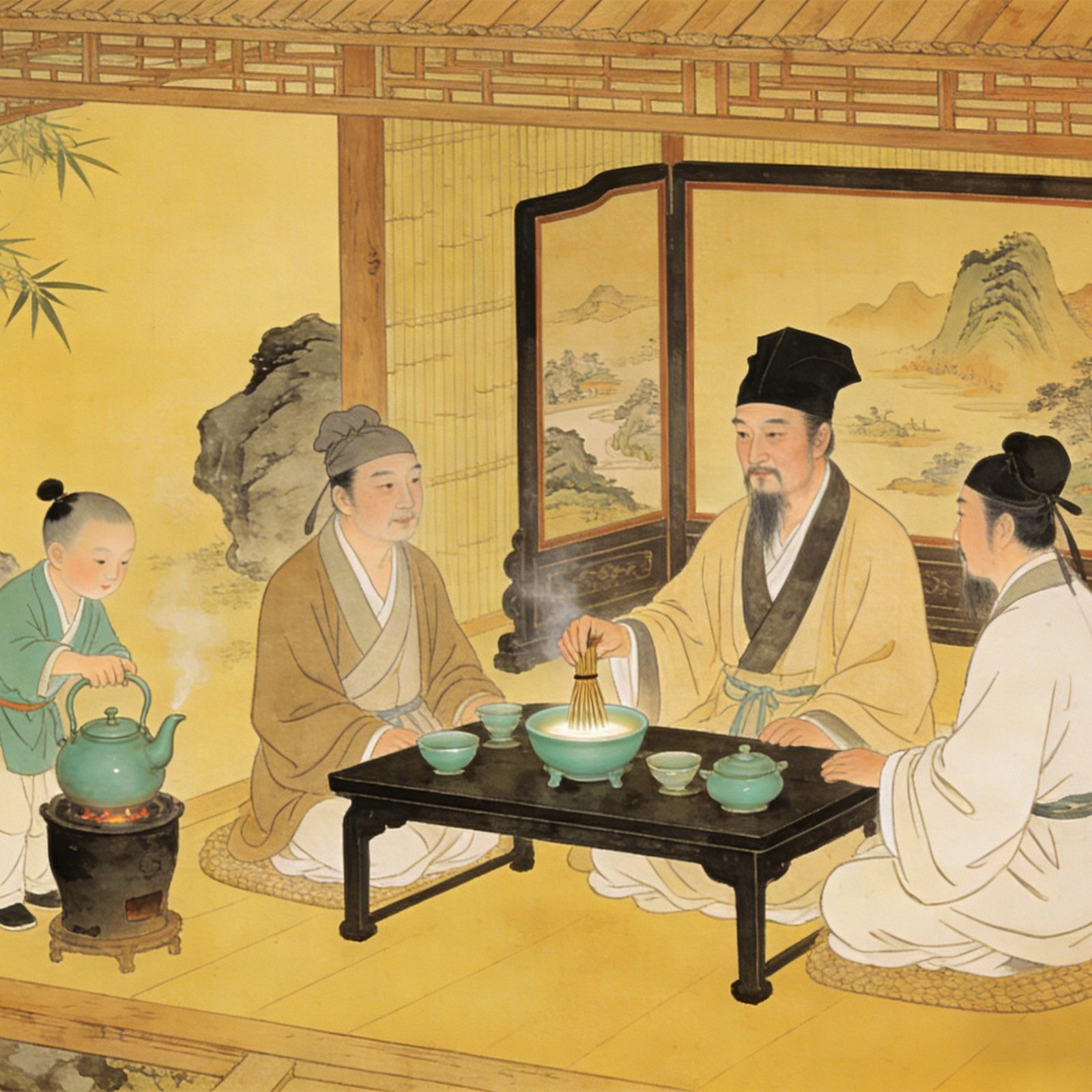
“Sip bitter, swallow sweet—this is tea.” This describes a clear sensory progression: initial bitterness (sometimes astringency) → then sweetness, salivation, aroma return, and throat feel. It’s exactly what modern tea lovers call huigan and lingering finish.
sip-bitter-swallow-sweet-tea-taste-1
sip-bitter-swallow-sweet-tea-taste-2
二、Why Tea Has “Three Layers”: Polyphenols, Amino Acids & L-Theanine
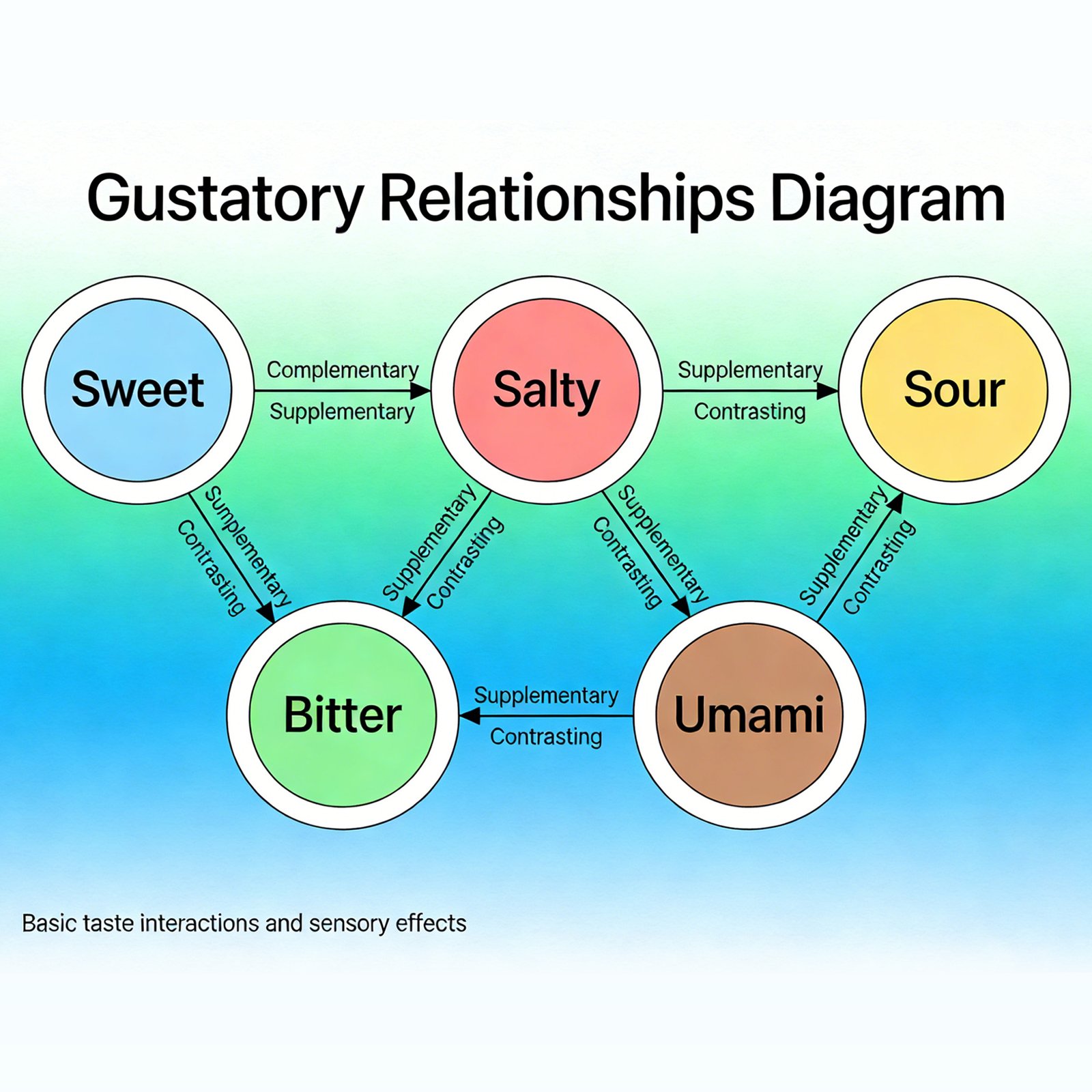
In modern tea science, Lu Yu’s “three layers” come from chemical compounds interacting with taste receptors and saliva.
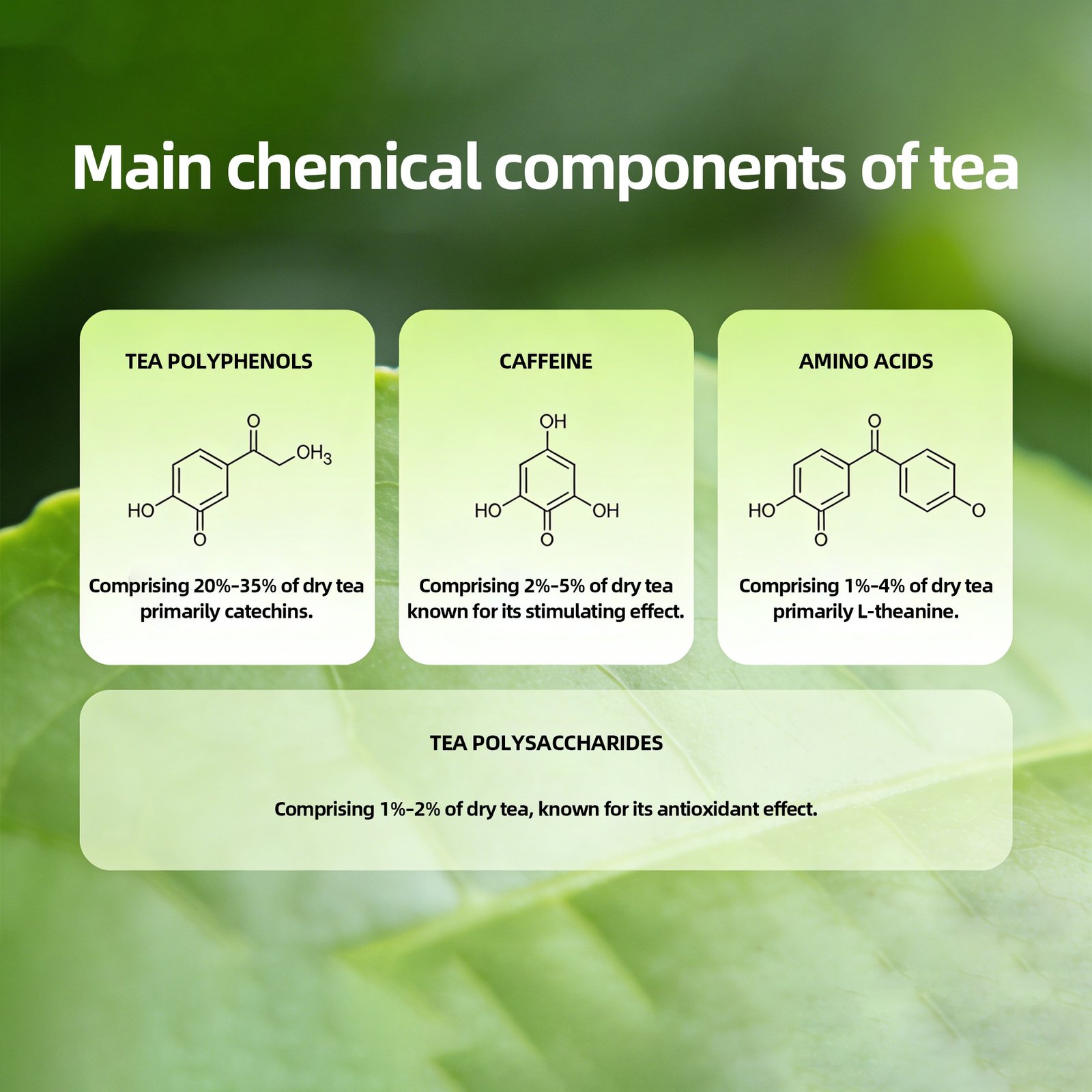
(1) Bitterness: polyphenols + caffeine
Tea polyphenols (especially catechins) and caffeine contribute to bitterness. Importantly, good bitterness is clean and transformable, not harsh or aggressive.
(2) Astringency: the “drying” mouthfeel
Astringency isn’t bitterness—it’s tactile. Dry, tight, rough. One major mechanism: polyphenols bind with salivary proteins, reducing lubrication and creating that drying sensation.
(3) Umami & sweetness: amino acids + L-theanine
Gentleness and sweetness are linked to free amino acids and L-theanine. Shaded green teas tend to be more umami-rich, while oolong often delivers complex “aroma + slight bitterness + returning sweetness” layering.
three-layers-of-tea-taste-diagram-1
three-layers-of-tea-taste-diagram-2
三、 The Science of Huigan: Why Tea Turns Sweet After Bitterness
Huigan is one of the most searched tea terms—and also one of the most misunderstood.
(1) Huigan is not sugar
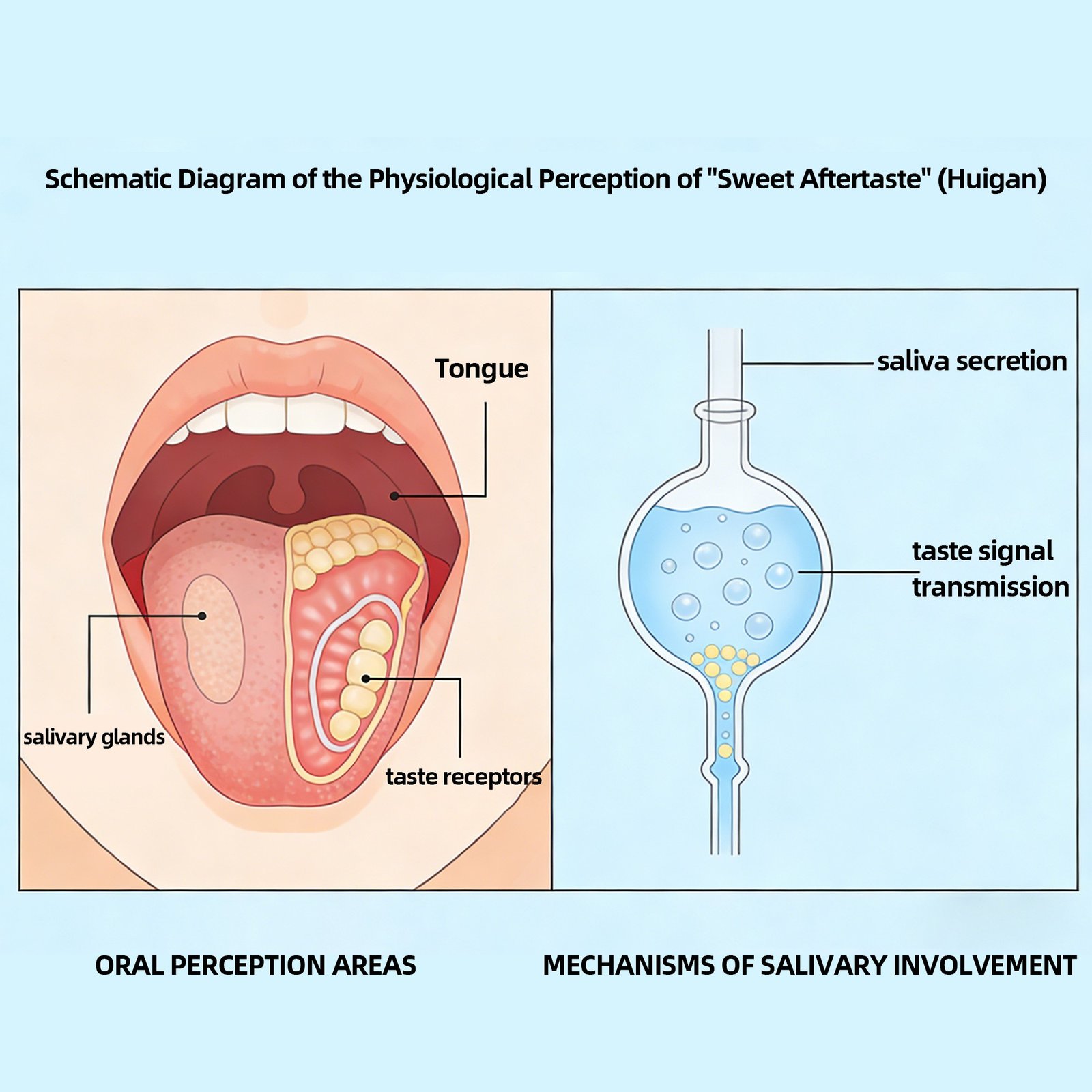
Huigan is not literal sweetness in the liquid. It’s the returning sweetness after swallowing, often with strong salivation.
(2) The sensory chain behind “sip bitter, swallow sweet”
Think of it as a 3-step perception:
- bitterness/astringency activates receptors
- retronasal aroma becomes stronger after swallowing
- increased saliva restores lubrication, amplifying sweetness
(3) Why some people can’t detect huigan
Differences may come from receptor sensitivity, salivation levels, diet habits, and brewing style (too hot / too long / drinking too fast).
So huigan is really a combined result of tea chemistry + body physiology + tasting experience.
tea-mouthfeel-thick-smooth-3
tea-mouthfeel-thick-smooth-4
四、Tea Taste by Category: Green, Oolong, Black, Pu-erh
(1) Green tea: umami + clean sweetness
Keywords: fresh, brisk, nutty/bean-like, light bitterness, quick huigan.
Tip: brew at 80–85°C with short steeps to avoid harshness.
(2) Oolong: the richest layering
Keywords: floral/fruity/roasted aroma, slight bitterness, strong returning sweetness, great throat feel.
Oolong is often the best embodiment of “bitter → sweet progression”.
(3) Black tea: mellow and sweet
Keywords: honey aroma, fruity sweetness, smooth mouthfeel, low irritation.
It often matches Lu Yu’s “jia”—direct comfort.
(4) Pu-erh: strongest structure
Raw pu-erh: more bitterness/astringency but intense huigan and salivation.
Ripe pu-erh: less bitter, thick mouthfeel, creamy sweetness, aged aroma.
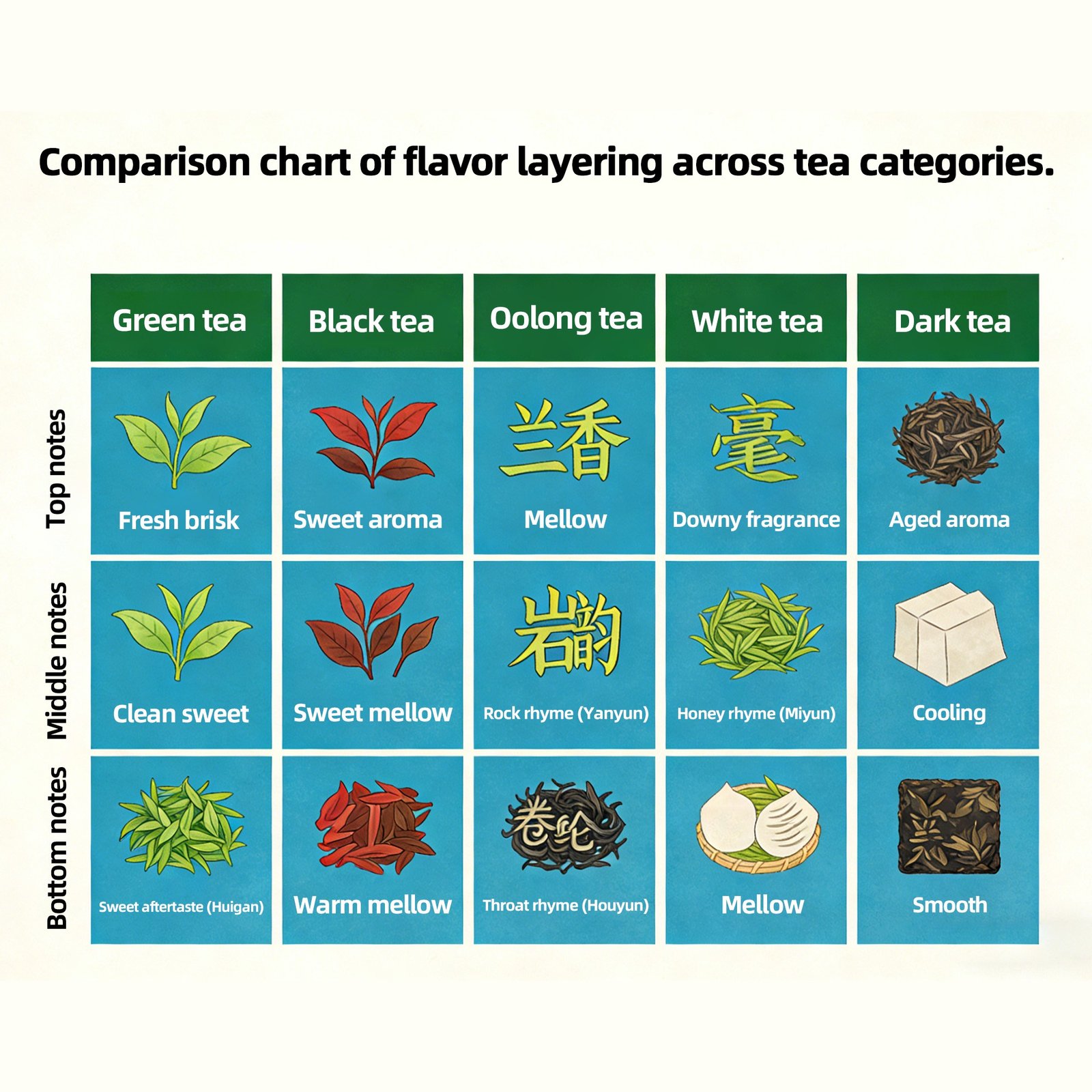
green-oolong-black-pu-erh-tea-taste
tea-polyphenols-l-theanine-flavor-1
FAQ
FAQ 1
What is huigan (sweet aftertaste)?
Huigan is the returning sweetness after swallowing tea, often with increased salivation and lingering aroma. It’s not sugar in the tea.
FAQ 2
Why does tea taste bitter? Is bitterness a sign of low quality?
Bitterness mainly comes from polyphenols and caffeine. Bitterness isn’t necessarily bad—quality tea transforms bitterness into sweetness and complexity.
FAQ 3
Why does tea feel astringent?
Astringency is a drying mouthfeel often caused when polyphenols bind with salivary proteins, reducing lubrication in the mouth.
FAQ 4
Why can’t some people taste huigan?
It can be due to receptor sensitivity, saliva production, dietary habits, and brewing style. Huigan depends on tea + physiology + tasting experience.
FAQ 5
How can I reduce bitterness and astringency in tea?
Lower the water temperature, shorten steeping time, reduce leaf amount, and use softer water.
FAQ 6
What does green tea taste like?
Green tea is fresh and brisk, often nutty/bean-like, with light bitterness and quick sweetness returning, highlighting umami.
FAQ 7
Why does oolong often have strong huigan and throat feel?
Oolong balances oxidation and roasting, building complex aroma layers and a clear bitter-to-sweet transition—leading to strong huigan and throat sensation.
FAQ 8
Why is huigan strong in pu-erh tea?
Raw pu-erh has more bitterness/astringency, which can trigger strong salivation and sweet aftertaste. Ripe pu-erh is mellower with thicker sweetness.
FAQ 9
What do “thick, smooth, and silky” mean in tea tasting?
They describe tea mouthfeel—how full-bodied, smooth, and lubricating the tea feels in the mouth.
FAQ 10
Does stronger huigan always mean higher-quality tea?
Not always. Huigan matters, but quality also depends on aroma, mouthfeel, balance, finish, and overall harmony.