
Who was Lu Yu – The Sage of Tea and The Classic of Tea Explained
H1: Lu Yu and The Classic of Tea. The Origin of Systematic Tea Culture in China
Who Was Lu Yu?
Lu Yu (733–804 AD), honored as the “Tea Sage” of China, lived during the Tang Dynasty — a golden age of culture, poetry, and intellectual development.
Orphaned at a young age and raised in a Buddhist monastery, Lu Yu was exposed early to the daily preparation and ritual use of tea. What began as simple observation gradually evolved into systematic study.
Unlike scholars who focused on politics or literature, Lu Yu devoted himself to understanding tea in all its dimensions — cultivation, processing, tools, water quality, and preparation methods. His lifelong research culminated in the world’s first comprehensive treatise on tea: The Classic of Tea (Cha Jing).
Today, Lu Yu is remembered not merely as a historical figure, but as the first person to elevate tea from a regional habit to a cultural system.

What Is The Classic of Tea?
Completed around 780 AD, The Classic of Tea is widely regarded as the first systematic book on tea in world history.
The work is traditionally divided into three volumes and ten chapters. Rather than treating tea casually, Lu Yu approached it with scholarly rigor. He documented not only how tea was consumed, but also how it should be cultivated, processed, and appreciated.
The Classic of Tea covers:
- The origin and botanical characteristics of tea
- Proper methods of tea cultivation
- Processing techniques
- Essential tea utensils
- Selection of water sources
- Brewing techniques
- The spirit and philosophy behind tea drinking
Through this structure, Lu Yu transformed tea into a disciplined cultural practice.
Why Lu Yu Still Matters Today
Although written over 1,200 years ago, many principles described in The Classic of Tea remain relevant.
Lu Yu emphasized:
- Respect for natural growing environments
- Purity of water
- Simplicity in preparation
- Harmony between human intention and natural elements
These ideas resonate strongly with modern interests in sustainable agriculture, artisanal craftsmanship, and mindful living.
Tea, in Lu Yu’s vision, was not merely a beverage. It was a way of aligning human life with natural rhythm.
Explore Our Insights on The Classic of Tea
Over time, we have explored key themes from The Classic of Tea in greater depth.
Click the links beside this section to learn about the following topics:
Origins and Nature of Tea
- [Understanding the Early History of Tea]
- [Wild Tea vs Plantation Tea: A Modern Reflection]
Tea Processing and Craft
- [Traditional Methods of Tea Production]
- [Why Loose Leaf Tea Preserves Authentic Flavor]
Water and Brewing
- [Water Quality in Classical Tea Thought]
- [Brewing Simplicity and Precision]
Tea Philosophy and Culture
- [Tea and Spiritual Simplicity]
- [The Aesthetic of Everyday Tea Drinking]
These articles expand upon the foundational ideas first articulated by Lu Yu.
1.The Birthplace of Tea: “Best in Weathered Rock, Next in Gravelly Loam, Least in Yellow Earth”
3.The Humble Gentleman of Tea: Yellow Tea Rooted in Lu Yu’s Classic of Tea
4.Timeless Tea Wisdom: Lu Yu’s “Time-Space Rule” for Picking the Perfect Leaf
5.Mountain Water Above All”: Lu Yu’s Timeless Guide to Choosing the Best Water for Tea Brewing
6.Coarse Tea, Loose Tea, Powdered Tea, and Tea Cakes: Understanding Lu Yu’s Four Tea Forms
11.Lu Yu: The Tea Sage Who Shaped Chinese Tea Culture and the Global Tea Industry
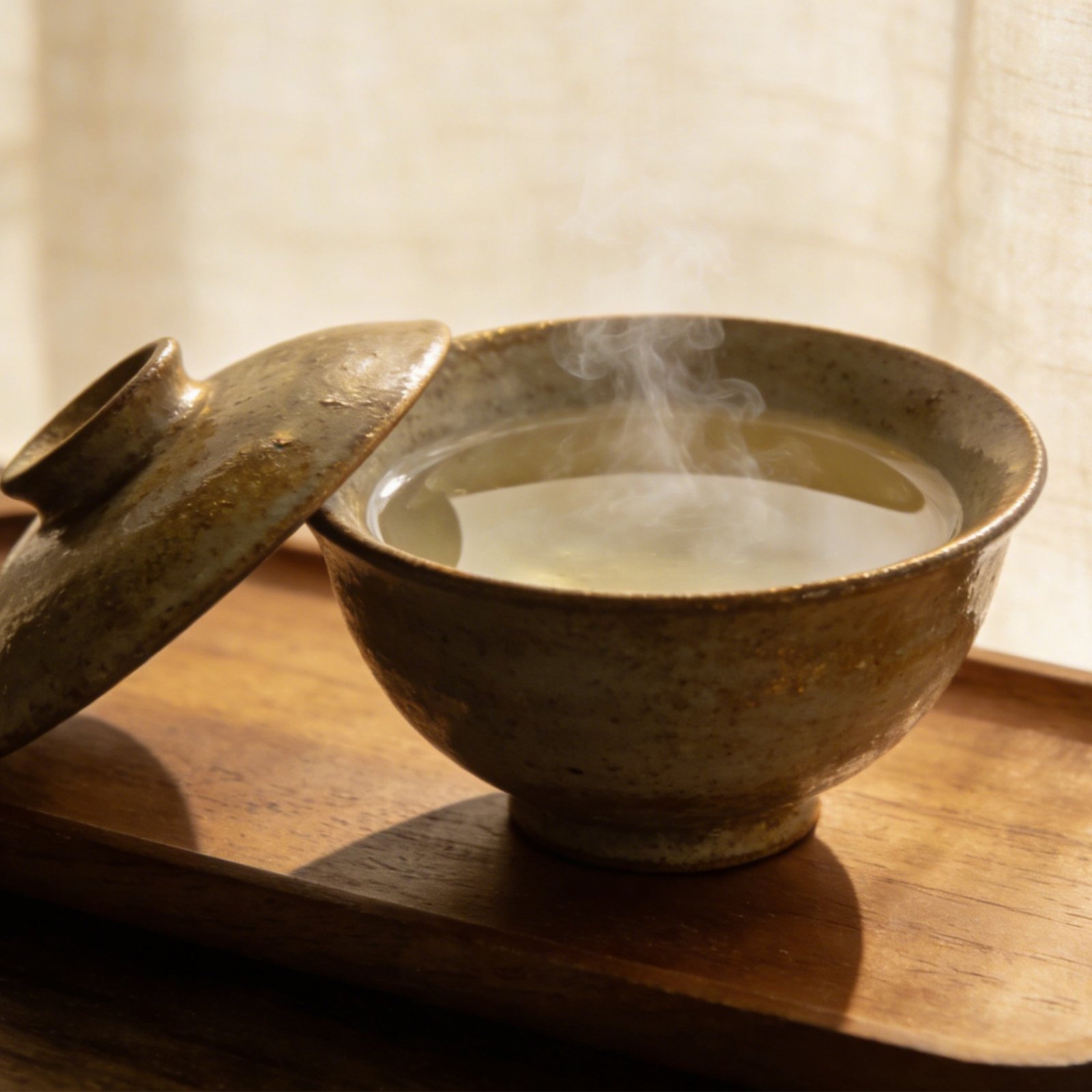
A Living Tradition
While The Classic of Tea was written in the Tang Dynasty, its influence continues to shape tea culture across generations.
By understanding Lu Yu’s work, we gain deeper appreciation not only for tea itself, but for the cultural and philosophical tradition it represents.
Tea is both ancient and contemporary — rooted in history, yet alive in daily life.
FAQ
Frequently Asked Questions
Q1: Who was Lu Yu?
Lu Yu (733–804 AD) was a Tang Dynasty scholar known as the Sage of Tea. He wrote The Classic of Tea (Cha Jing), the first systematic book on tea culture and preparation in world history.
Q2: Why is Lu Yu called the Sage of Tea?
Lu Yu is called the Sage of Tea because he was the first scholar to systematically document tea cultivation, processing, brewing techniques, and tea philosophy in The Classic of Tea.
Q3: What is The Classic of Tea?
The Classic of Tea, written around 780 AD, is the world’s first comprehensive book on tea. It covers tea origins, cultivation methods, utensils, water selection, brewing techniques, and tea philosophy.
Q4: When was The Classic of Tea written?
The Classic of Tea was completed during the Tang Dynasty, around 780 AD.