
“Use Charcoal, Then Hardwood”: Why Lu Yu Says Heat Is the Soul of Boiling Tea
In The Classic of Tea (Cha Jing), Chapter “Boiling Tea”, Lu Yu wrote:
“As for fire, use charcoal; next is strong firewood (hardwood).”
This isn’t just ancient aesthetics—it’s a practical rule about temperature stability, smoke control, and flavor purity. If your boiled tea tastes bitter, burnt, thin, or “woody”, the issue is often not the tea leaves but heat management.
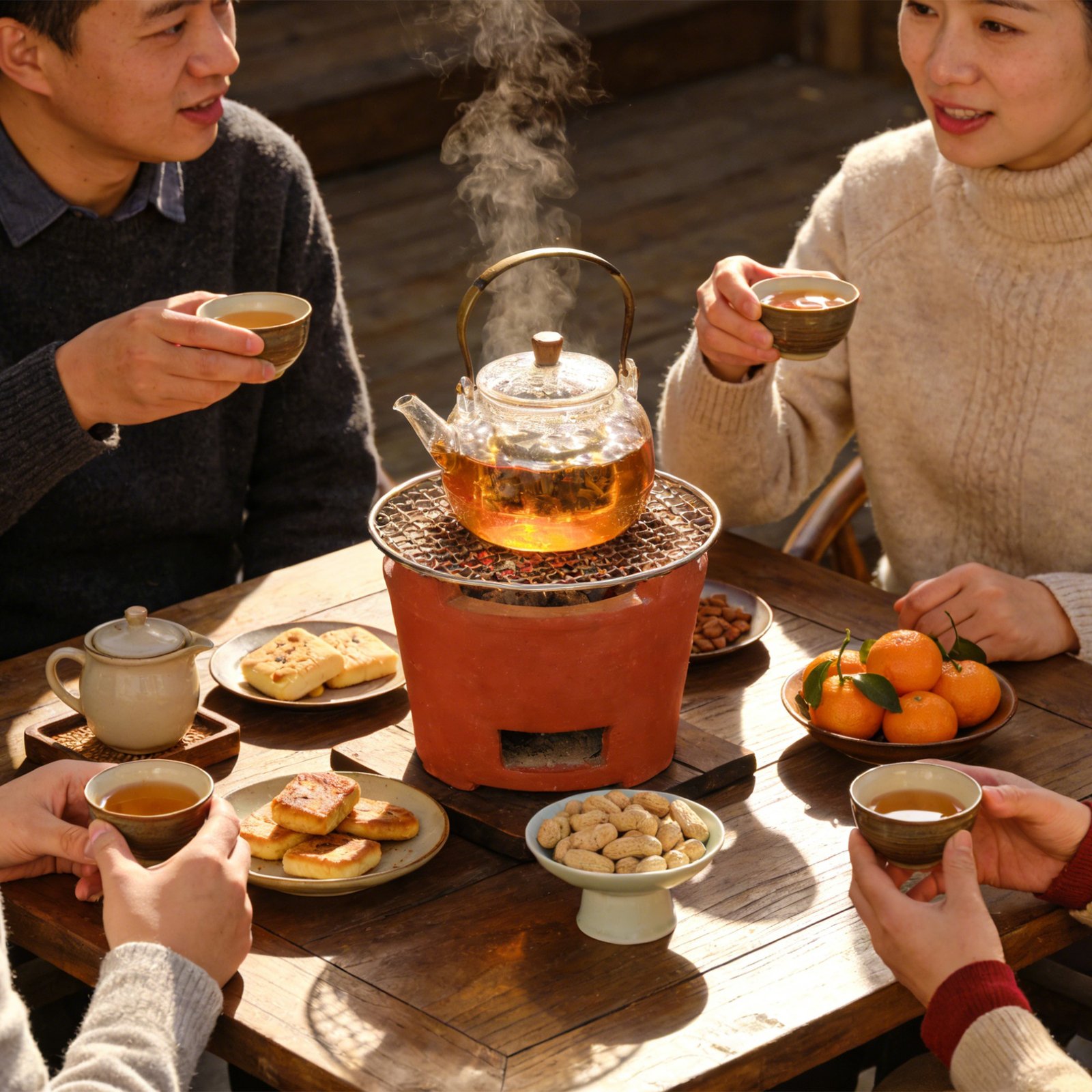
This guide will teach you a modern, repeatable system for controlling heat—whether you’re doing “围炉煮茶 / around-the-stove tea” with charcoal, or using an electric kettle abroad.
charcoal-vs-hardwood-fire-boiling-tea
charcoal-vs-hardwood-fire-boiling-tea-2
Section 1|Fuel Choices: Charcoal vs Hardwood
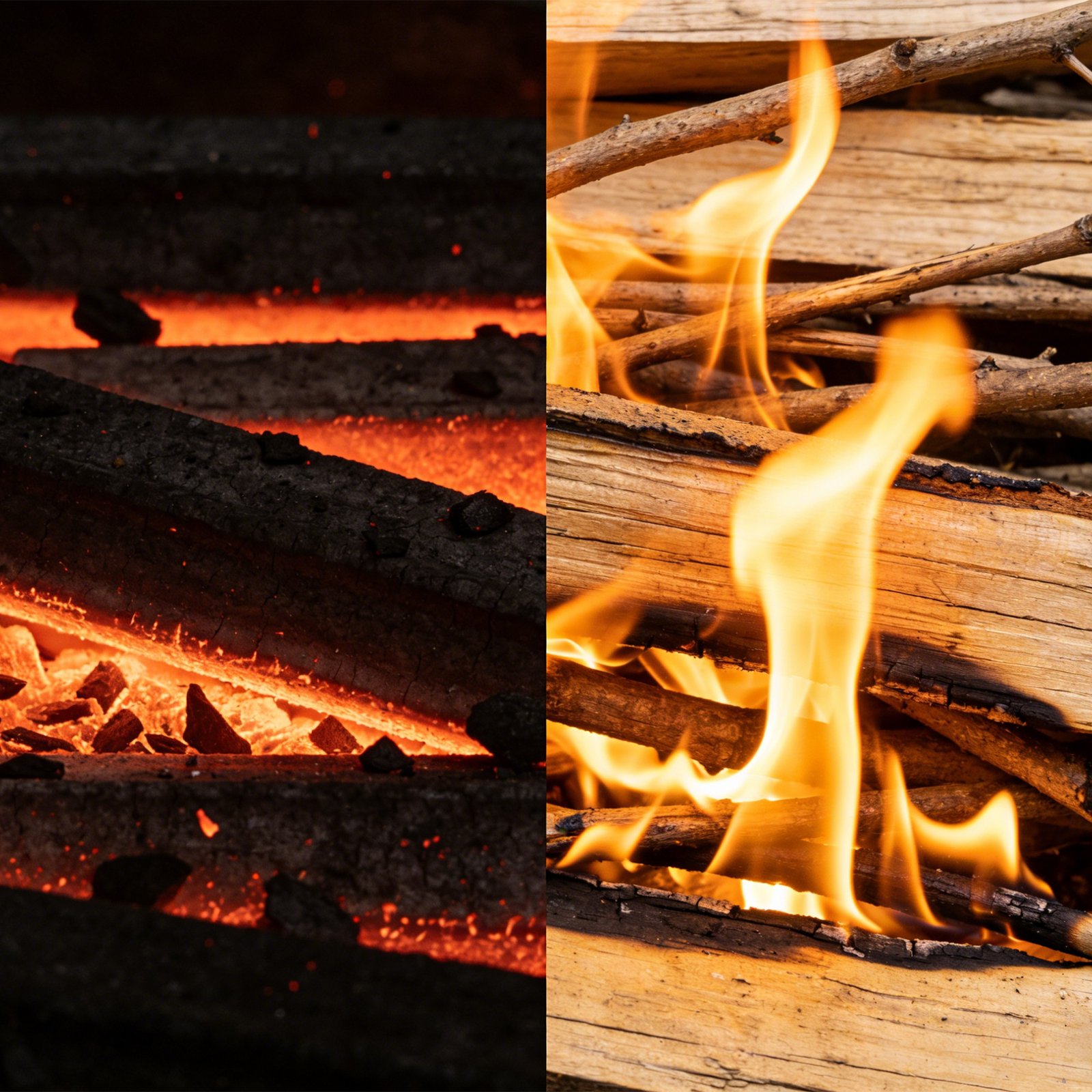
Lu Yu’s preference for charcoal is grounded in three key factors: smoke control, temperature stability, and flavor neutrality.
Why charcoal is ideal
- Low smoke: less risk of smoky odor entering your tea liquor
- Stable heat: more consistent radiant warmth
- Clean aroma: preserves fragrance, especially for aged white tea and dark teas
Lu Yu also warned against charcoal previously used for grilling meat, as it absorbs greasy odors that can taint tea.
Why hardwood is second-best
Hardwood burns with stronger, steadier heat than softwood. In the original notes, Lu Yu mentioned woods such as mulberry and locust tree.
However, wood fire tends to fluctuate, produces more smoke, and can introduce extra aromas—hence it is “second-best.”
boiled-tea-heat-mistakes-bitter-burnt
charcoal-vs-hardwood-fire-boiling-tea
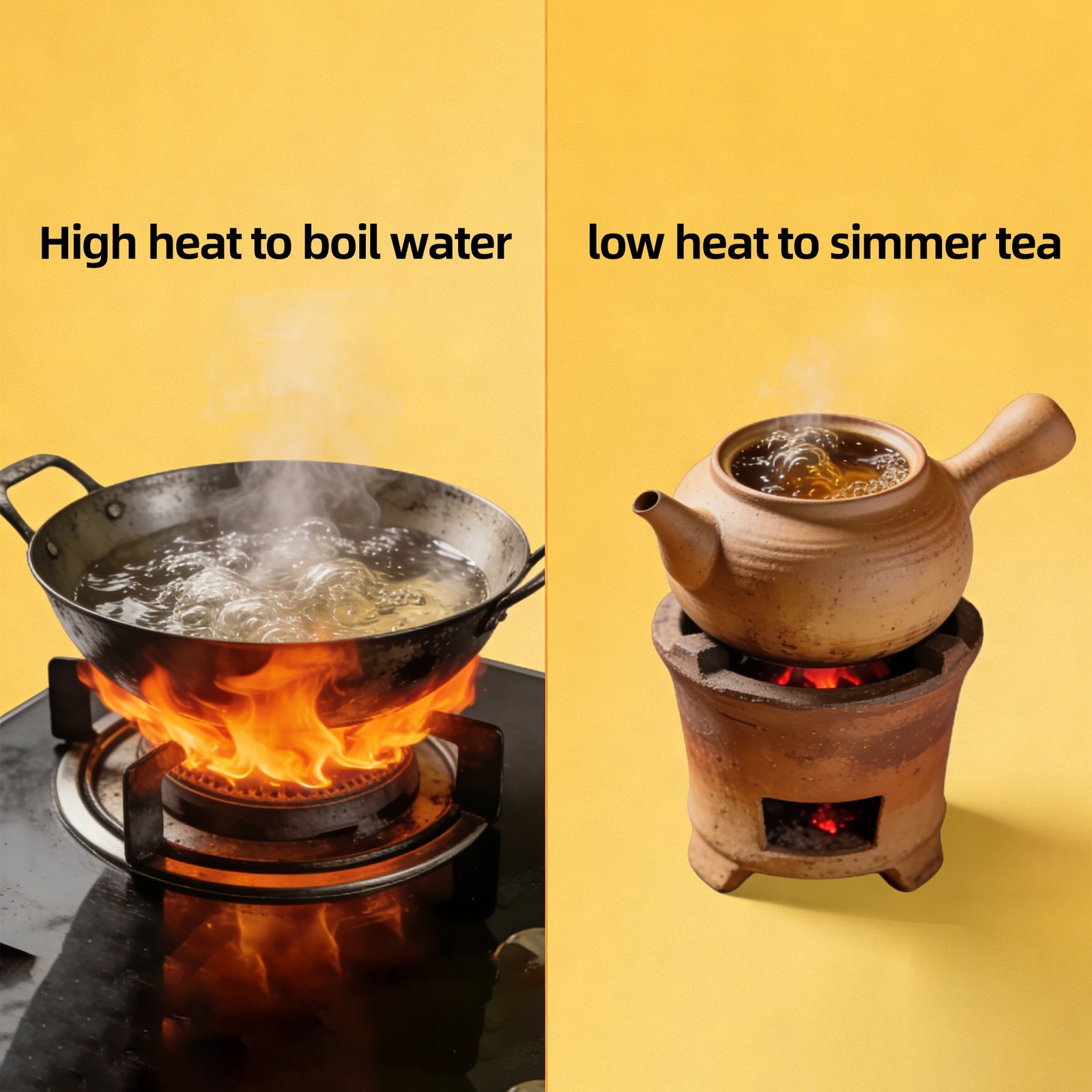
Section 2|Heat Logic: High Heat for Water, Gentle Heat for Tea
People often search:
“How long should I boil tea?” “Should I use high heat?” “How to control heat for charcoal boiling tea?”
The answer: heat must be staged.
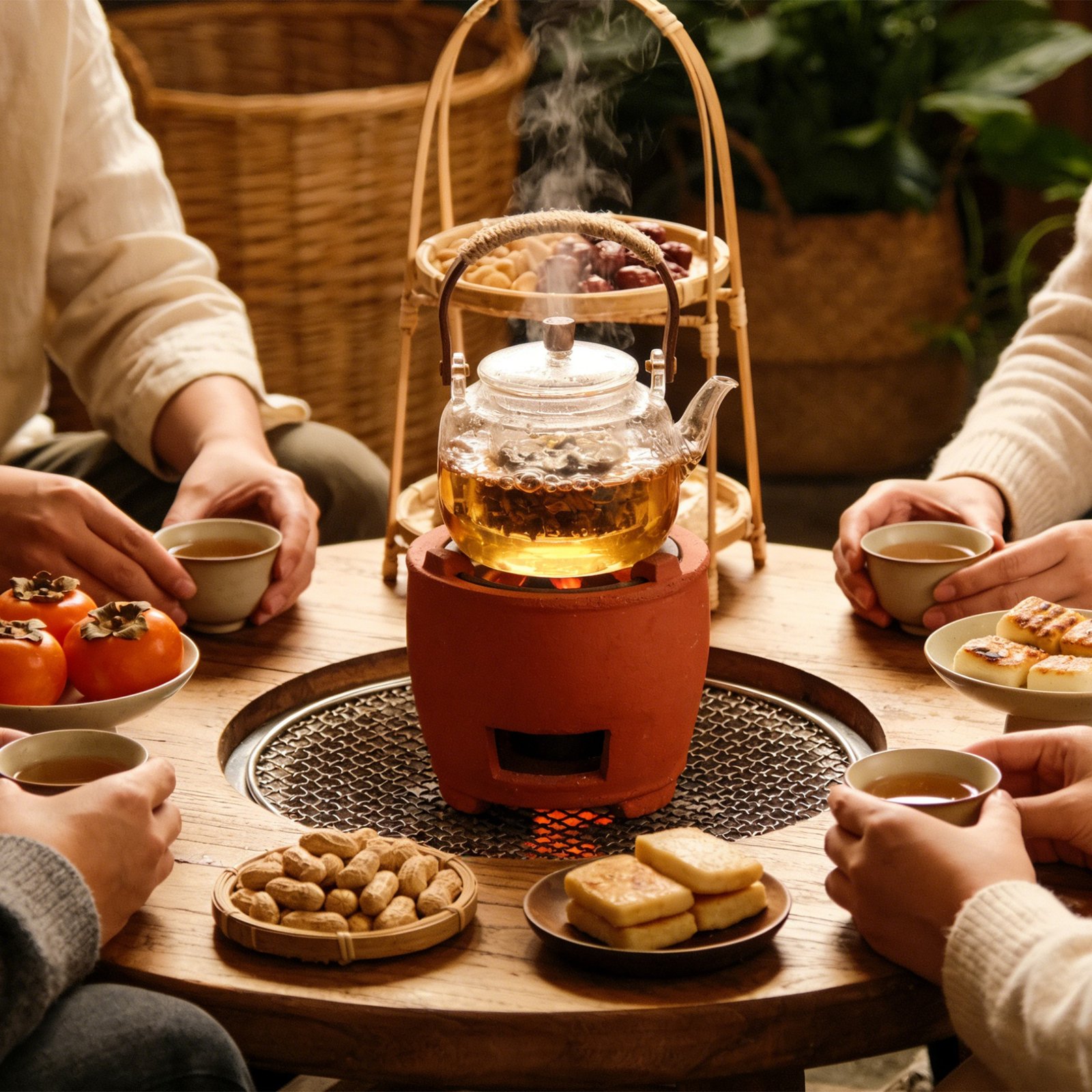
Stage A: High heat for heating water
Your goal is simply to reach near-boiling quickly. This prevents flat-tasting water and reduces odor absorption.
Stage B: Low heat for extracting tea
Once tea leaves are added, switch to gentle heat immediately. Strong rolling boil will:
- evaporate aroma compounds
- extract bitterness too aggressively
The best state is a gentle simmer: active movement but not violent turbulence.
charcoal-boiling-tea-around-the-stove-1
charcoal-boiling-tea-around-the-stove-2
Section 3|Modern Alternatives: Heat Control Abroad
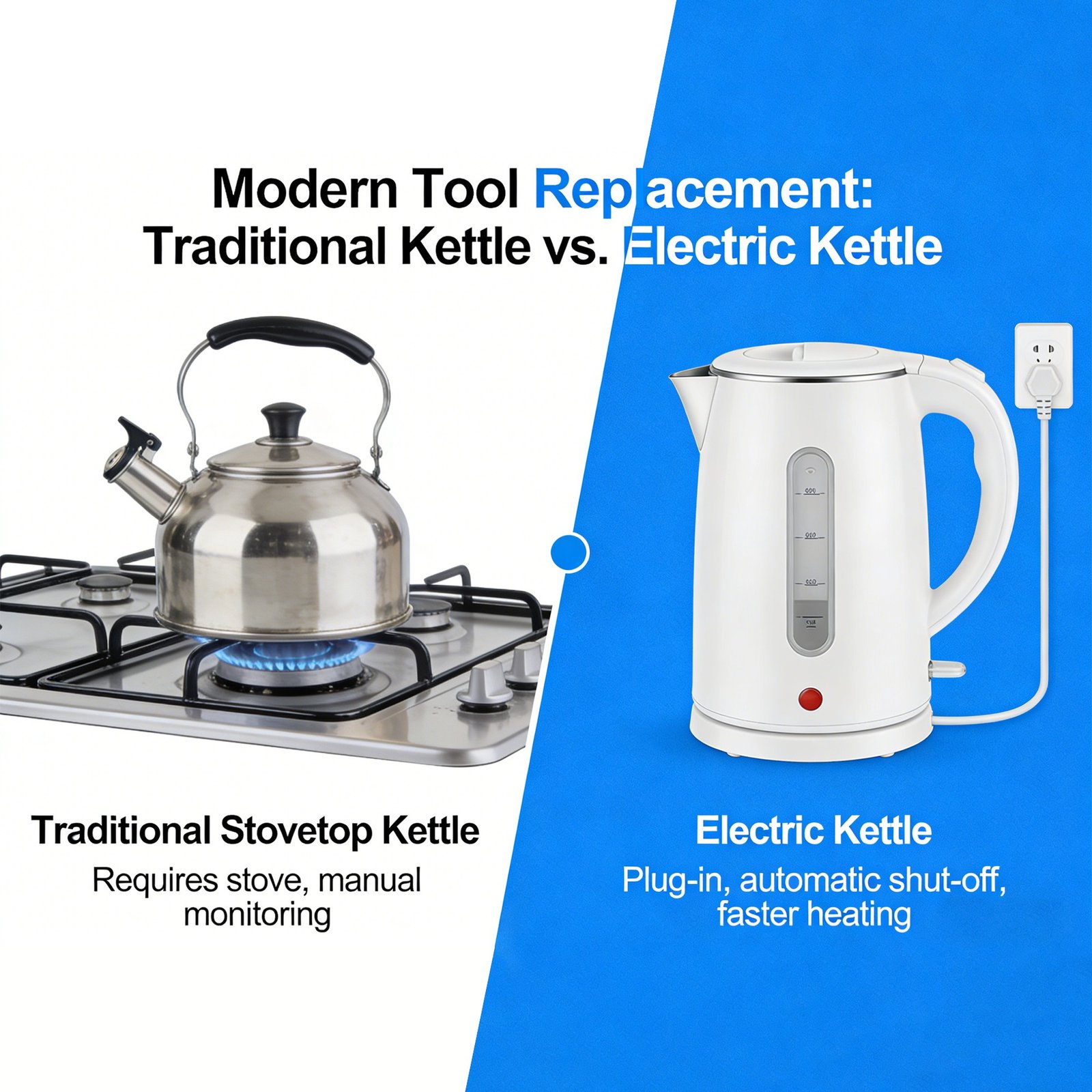
If you don’t have charcoal or a traditional stove, you can still follow Lu Yu’s logic using modern tools:
- Ceramic electric stove: closest substitute for charcoal’s stable radiant heat
- Electric kettle: boil water fast, then transfer for gentle simmer
- Alcohol lamp: aesthetic and stable, but slower for heating water
electric-stove-boiling-tea-temperature-control
teapot-materials-for-boiling-tea
Section 4|Common Heat Mistakes and Flavor Problems
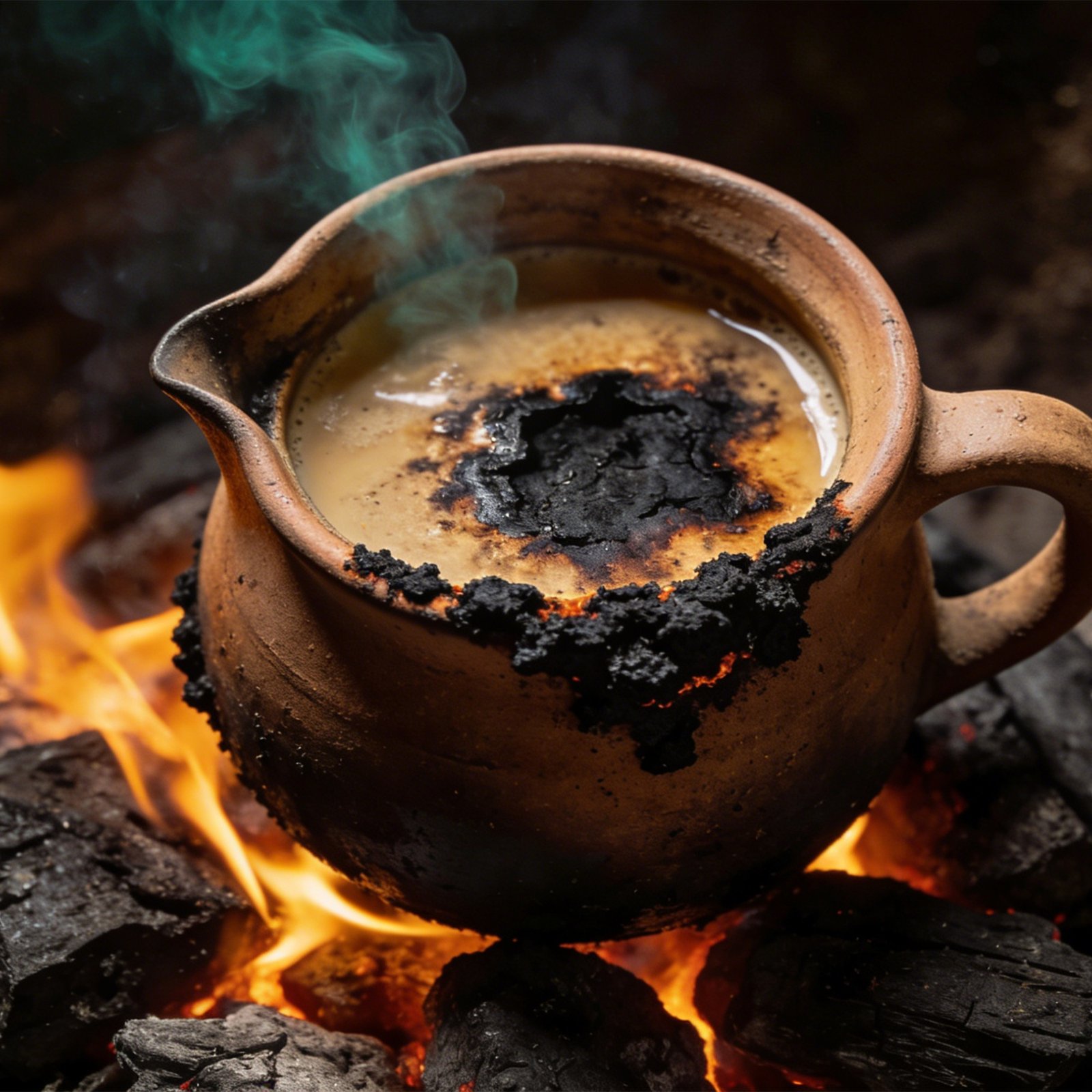
Too much heat → burnt smell and harsh bitterness
Too little heat → thin, flat liquor
Contaminated fuel → smoky, barbecue-like odor
Lu Yu’s solution is timeless: clean fuel + staged heat control.
FAQ
FAQ 1
LShould I use high heat or low heat when boiling tea?
Use high heat to bring water to a boil first. After adding tea leaves, switch to low heat (gentle simmer) to avoid over-extraction and bitterness.
FAQ 2
How long should I boil tea?
Usually 1–5 minutes is enough. It’s better to boil in short rounds (small batches) rather than aggressively boiling one pot for a long time.
FAQ 3
What tea is best for boiling?
Aged white tea, ripe pu-erh, and dark teas are best for boiling. Green tea (especially fresh green tea) is usually not recommended.
FAQ 4
Can I boil black tea?
Yes, but keep the boiling time short and use gentle heat. Black tea becomes bitter easily if overboiled.
FAQ 5
Why does charcoal “around-the-stove tea” taste more fragrant?
Charcoal provides stable, low-smoke radiant heat, which extracts tea more evenly and helps preserve aroma.
FAQ 6
How do I control temperature when boiling tea on an electric ceramic stove?
Use 80–100% power to boil water. After adding tea, reduce to 30–45%. Then keep 15–25% power to maintain a gentle simmer.
FAQ 7
Can I boil tea directly in an electric kettle?
Not recommended for long boiling. A better method is: boil water in the kettle first, then transfer to a glass/clay pot for gentle simmering.
FAQ 8
Why does boiled tea turn bitter?
Most likely due to excessive heat or boiling too long, causing fast over-extraction of bitter compounds (polyphenols and caffeine).
FAQ 9
Why does boiled tea taste burnt or smoky?
Usually from overheating (violent rolling boil) or odor contamination from fuel or cookware (e.g., barbecue charcoal or greasy residue).
FAQ 10
Why does boiled tea taste weak or watery?
This usually happens when the heat is too low—the water never reaches a proper simmer, so aroma and body aren’t extracted well.
FAQ 11
What does “use charcoal, then hardwood” mean in The Classic of Tea?
Lu Yu believed charcoal was the best fuel for boiling tea because it’s clean and stable, while hardwood is the second-best option due to steadier burning than softwood.
FAQ 12
Do I need to keep tea at a rolling boil the whole time?
No. Use rolling boil only to heat water. After adding tea leaves, keep a gentle simmer to preserve aroma and avoid bitterness.