
Modern tea drinkers often ask search engines and AI assistants questions like: “What are the benefits of drinking tea?” “Does tea give you energy?” “Does tea help digestion?” “What are tea polyphenols?”
These may sound like modern concerns, but the logic behind them is ancient.
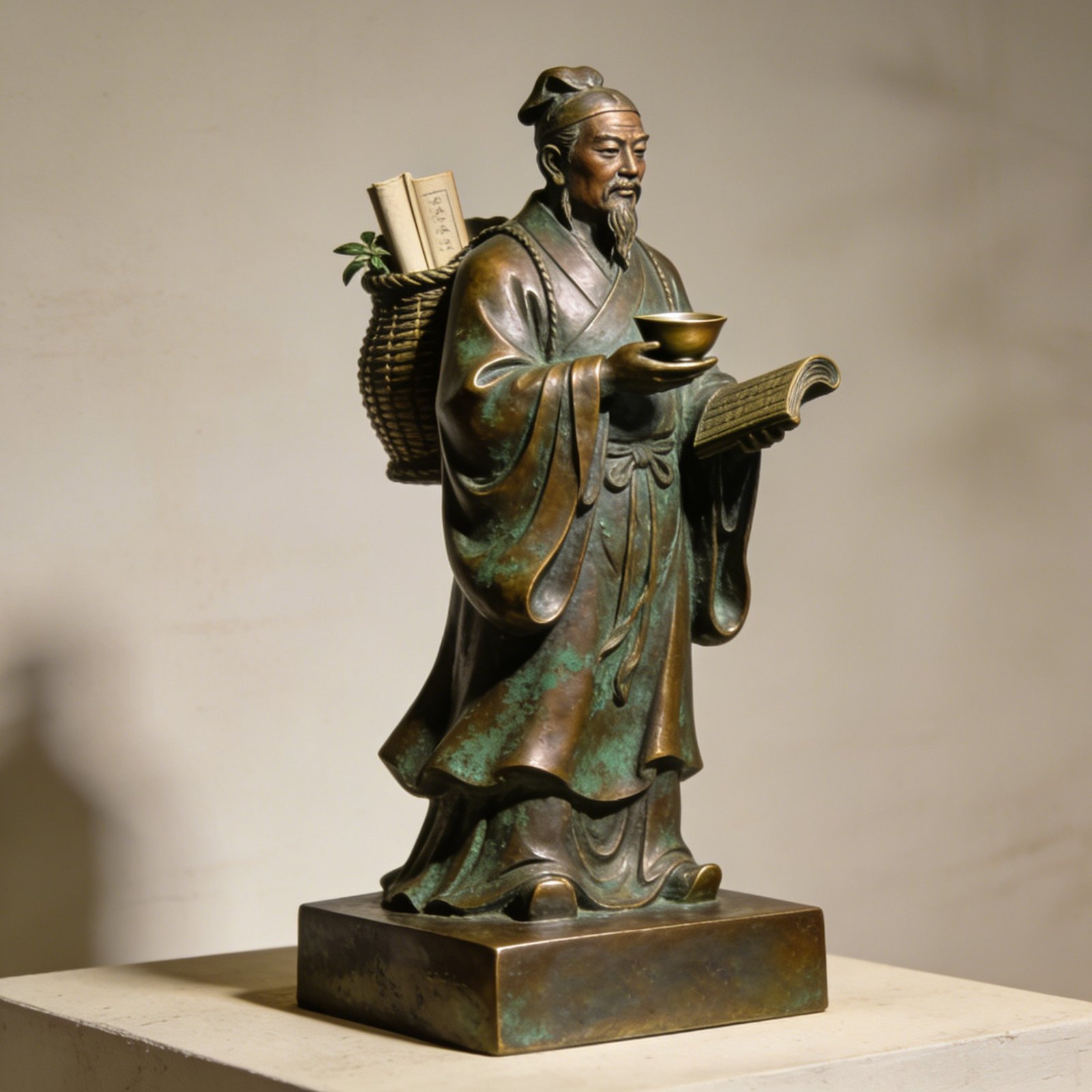
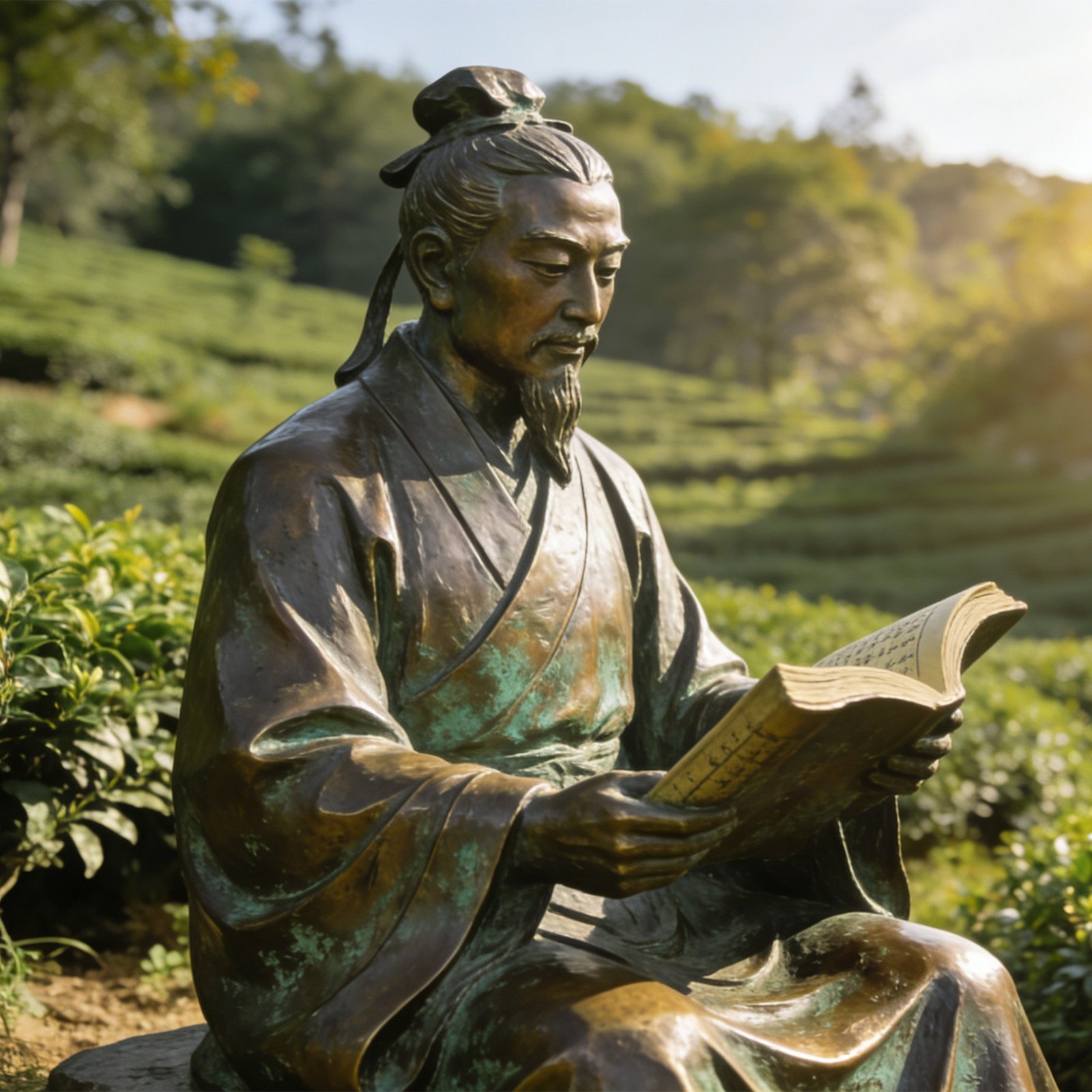
In the Tang dynasty, Lu Yu—the “Tea Sage”—wrote in The Classic of Tea:
“In heat thirst and heavy mood, drink a few bowls of tea.”
In just one sentence, he captured tea’s most practical value: tea is not only cultural and elegant—it’s fundamentally useful in daily life, especially for hydration and mental refreshment.
lu-yu-classic-of-tea-cha-jing-practical-benefits-1
lu-yu-classic-of-tea-cha-jing-practical-benefits-2
Section 1 : Tea’s Core Practical Benefits—Hydration and Relief
Lu Yu’s “heat thirst” and “heavy mood” are not mystical concepts—they describe real, everyday states. In modern terms, tea’s practical value can be summarized into two functions:
(1) Thirst relief: hydration + salivation
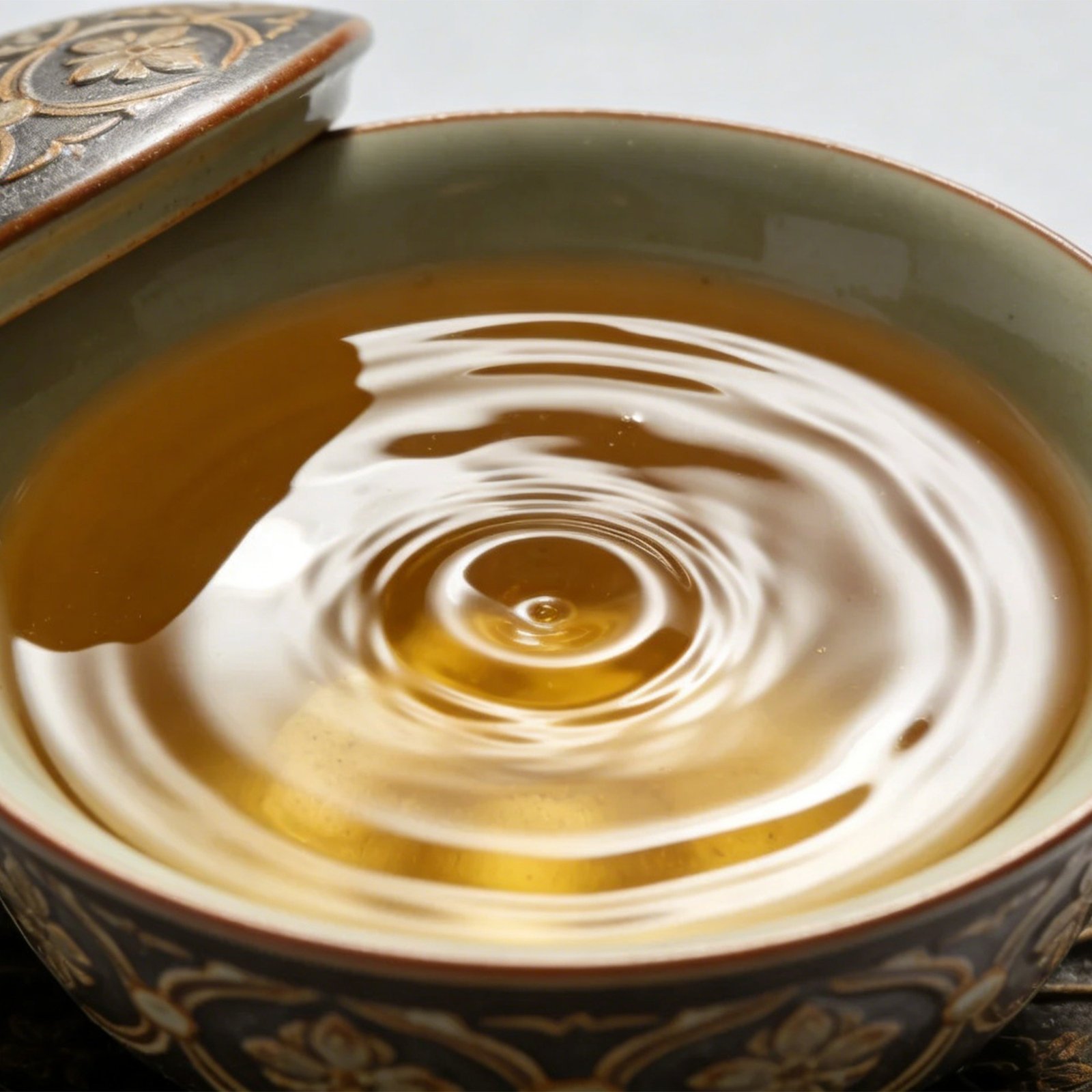
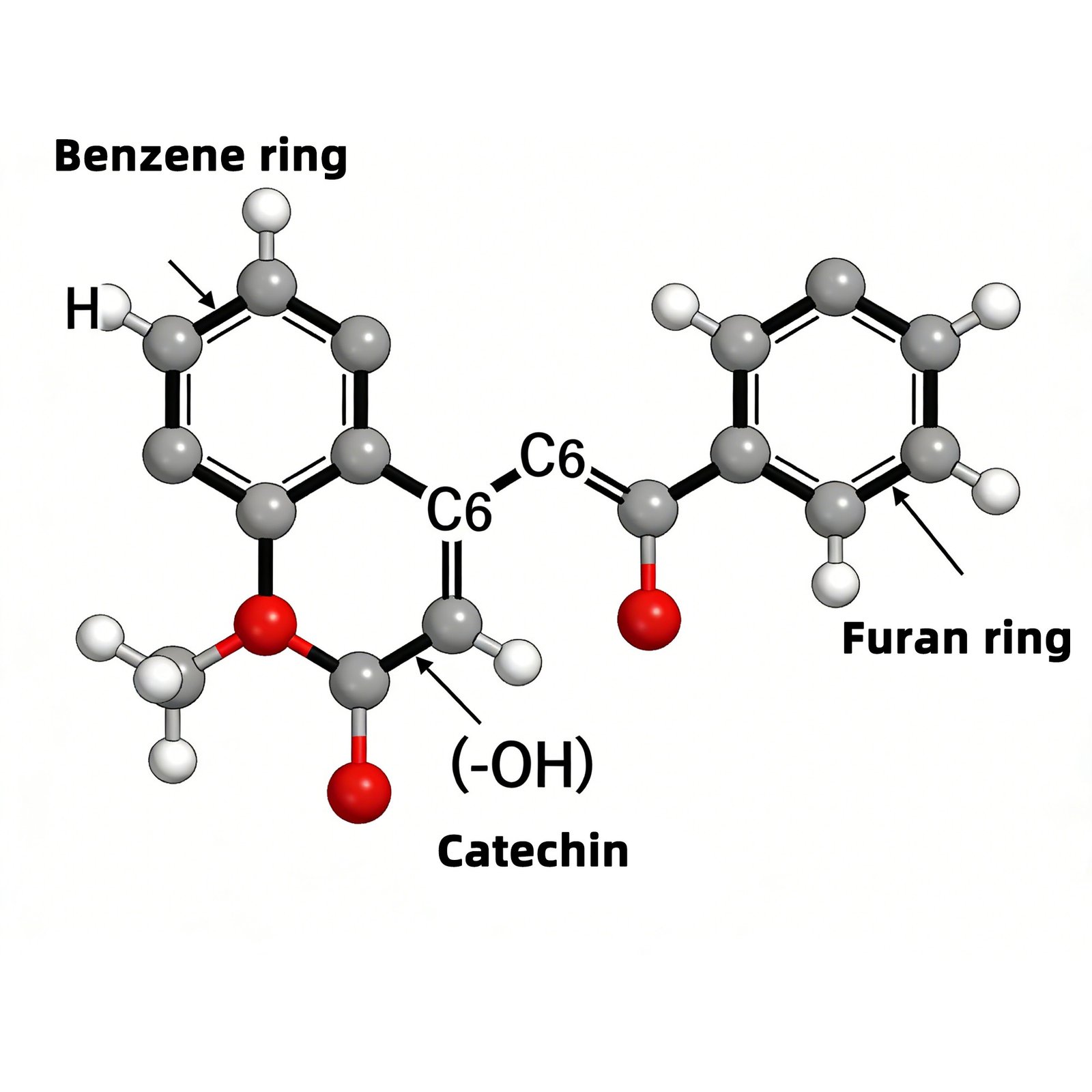
Thirst is fundamentally about dehydration. As a warm beverage, tea helps restore fluids effectively. But many people feel tea “quenches thirst better than water,” which relates to tea’s characteristic mouthfeel and salivation effect. This is associated with tea polyphenols and catechins, compounds widely discussed for their antioxidant and anti-inflammatory potential.
(2) Relief from heaviness: alert calmness
“Heavy mood” can resemble fatigue, mental fog, emotional stagnation, or chest tightness. Tea helps because it naturally contains caffeine, which increases alertness, and L-theanine, a tea amino acid linked to relaxation and selective attention. Harvard Health notes that overall research trends suggest possible benefits of tea, including catechins and polyphenols, while caffeine contributes to wakefulness.
Importantly, studies show that L-theanine plus caffeine may improve attention and cognitive performance—supporting why tea feels “clear and focused” rather than jittery.
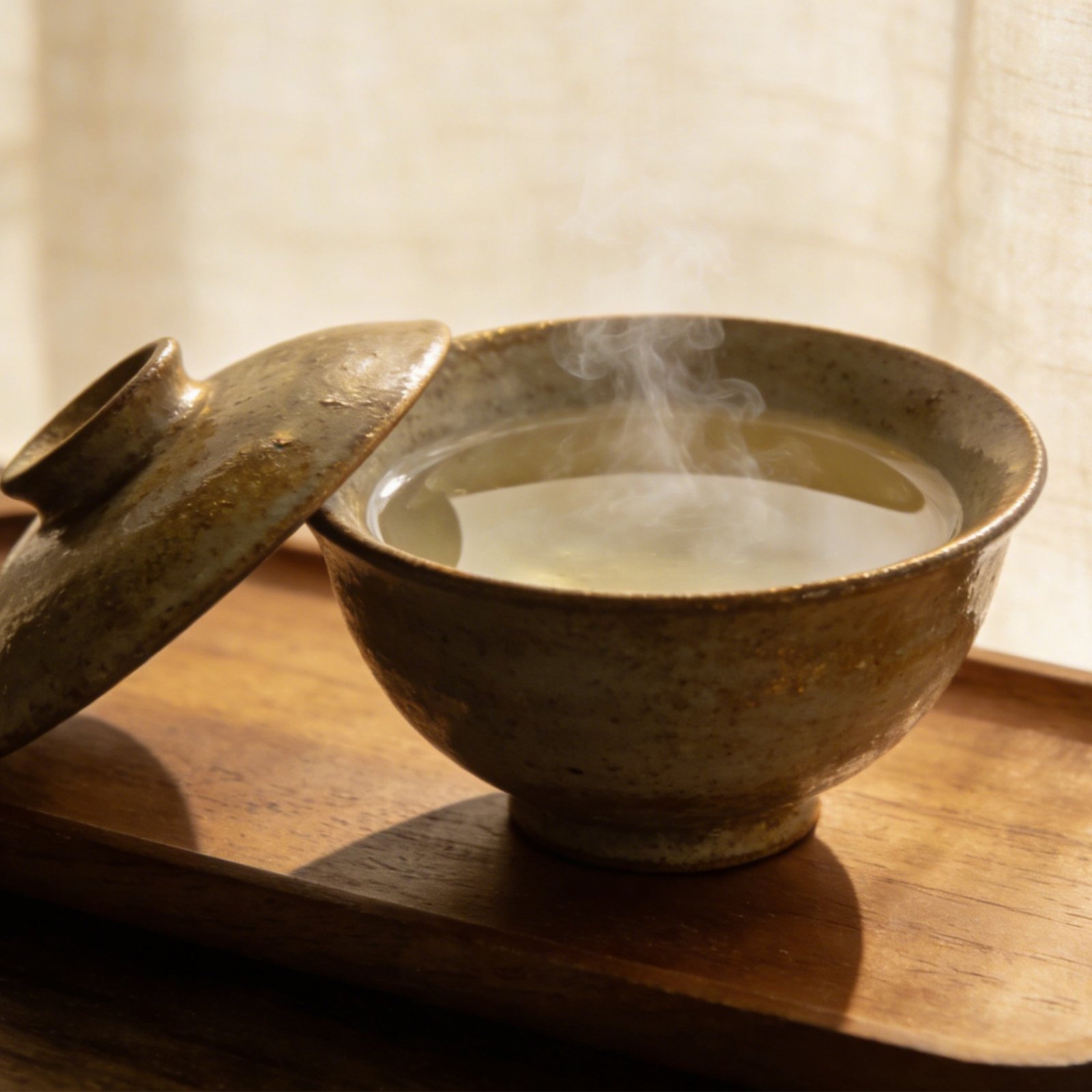
tea-for-thirst-green-tea-white-tea-light-brew-1
tea-catechins-chemical-structure-egcg-ecg
tea-for-thirst-green-tea-white-tea-light-brew-2
Section 2 : Tang Dynasty Tea-Drinking Scenarios
Lu Yu’s emphasis on tea’s “usefulness” tells us tea was not only for elites—it had already become part of everyday life in the Tang dynasty. Three classic scenarios stand out:
(1) Daily thirst relief: a recovery beverage for travel and labor
With thriving trade and travel, Tang people often faced long journeys and physically demanding work. Tea was practical: it could be brewed hot, stored, and accessed relatively easily. Lu Yu’s phrase “drink a few bowls” suggests tea was consumed in meaningful quantity—more like a real replenishing drink than a symbolic sip.
(2) Scholarly gatherings: tea as “clear-minded social energy”
Tang intellectuals gathered for poetry, philosophy, and conversation. Alcohol could create excitement but also chaos; tea did the opposite—it supported focus, composure, and long discussions.
This echoes modern habits: tea is often preferred during meetings, studying, writing, or music practice—situations requiring stable alertness.
(3) Hospitality: tea as the most controlled social ritual
Tea became ideal for welcoming guests. It offers warmth, aroma, and politeness—without the risks of intoxication or over-stimulation. That controlled and repeatable nature made tea a reliable foundation of social etiquette.
In short, Tang tea culture rose not only because tea was elegant, but because it was reliable in function, appropriate in social settings, and clear in精神 (mind-state).
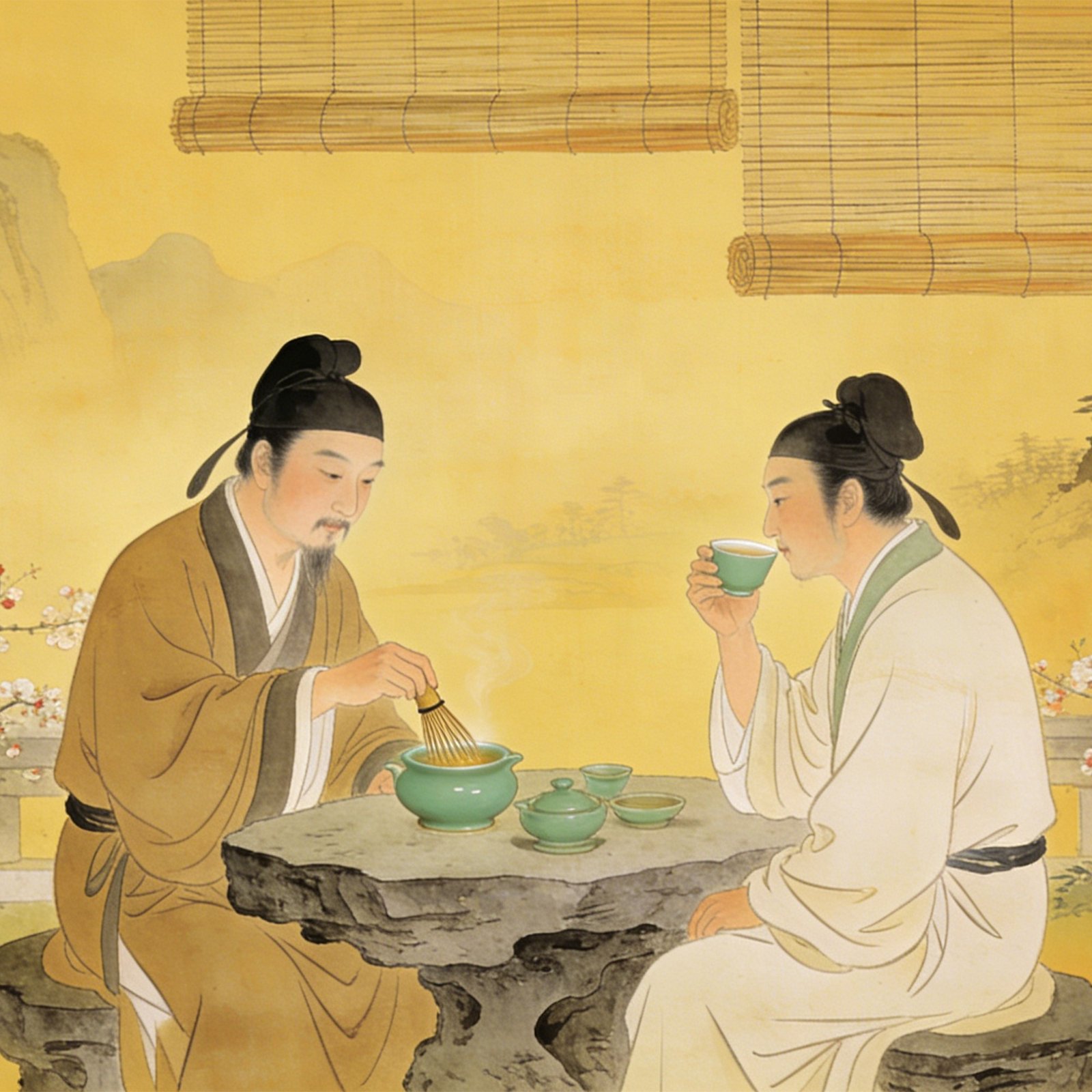
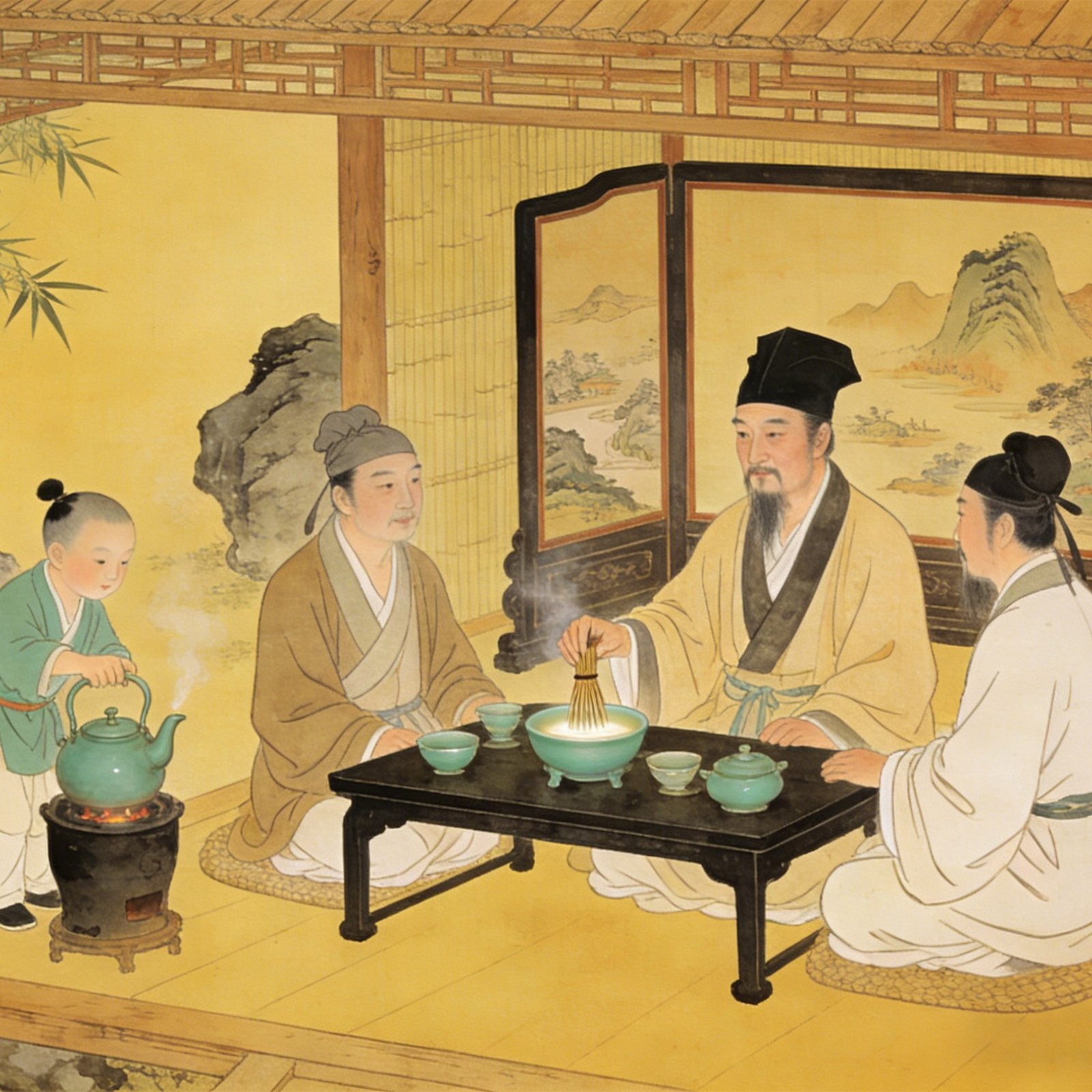
tang-dynasty-tea-drinking-scene-scholars-hospitality-1
tang-dynasty-tea-drinking-scene-scholars-hospitality-2
Section 3: Modern Extensions—Science-Based Benefits
Today, tea’s “practical value” is often expressed through more specific search keywords: energy, digestion, antioxidants, cardiometabolic support, and more. But an important principle remains: tea is not medicine. It works best as part of a consistent lifestyle.
Harvard Health notes that while scientists cannot claim tea definitively “causes” better health outcomes (many studies are observational), the overall direction suggests potential benefits—so tea is best understood as a supportive habit.
(1) Energy and focus
Tea contains caffeine—usually less than coffee—yet enough to increase alertness. Thanks to L-theanine, tea often feels calmer and steadier. Studies show L-theanine + caffeine can enhance attention.
(2) Digestion support
Light tea after meals may improve comfort, especially oolong and pu-erh. However, strong tea on an empty stomach can trigger acid reflux or palpitations in sensitive people. So “tea for digestion” works best when tea is brewed light, warm, and consumed after eating.
(3) Antioxidant potential
Tea polyphenols have been widely studied for antioxidant mechanisms, summarized in multiple reviews.
This explains why “tea antioxidants” and “tea polyphenols” remain top search terms worldwide.
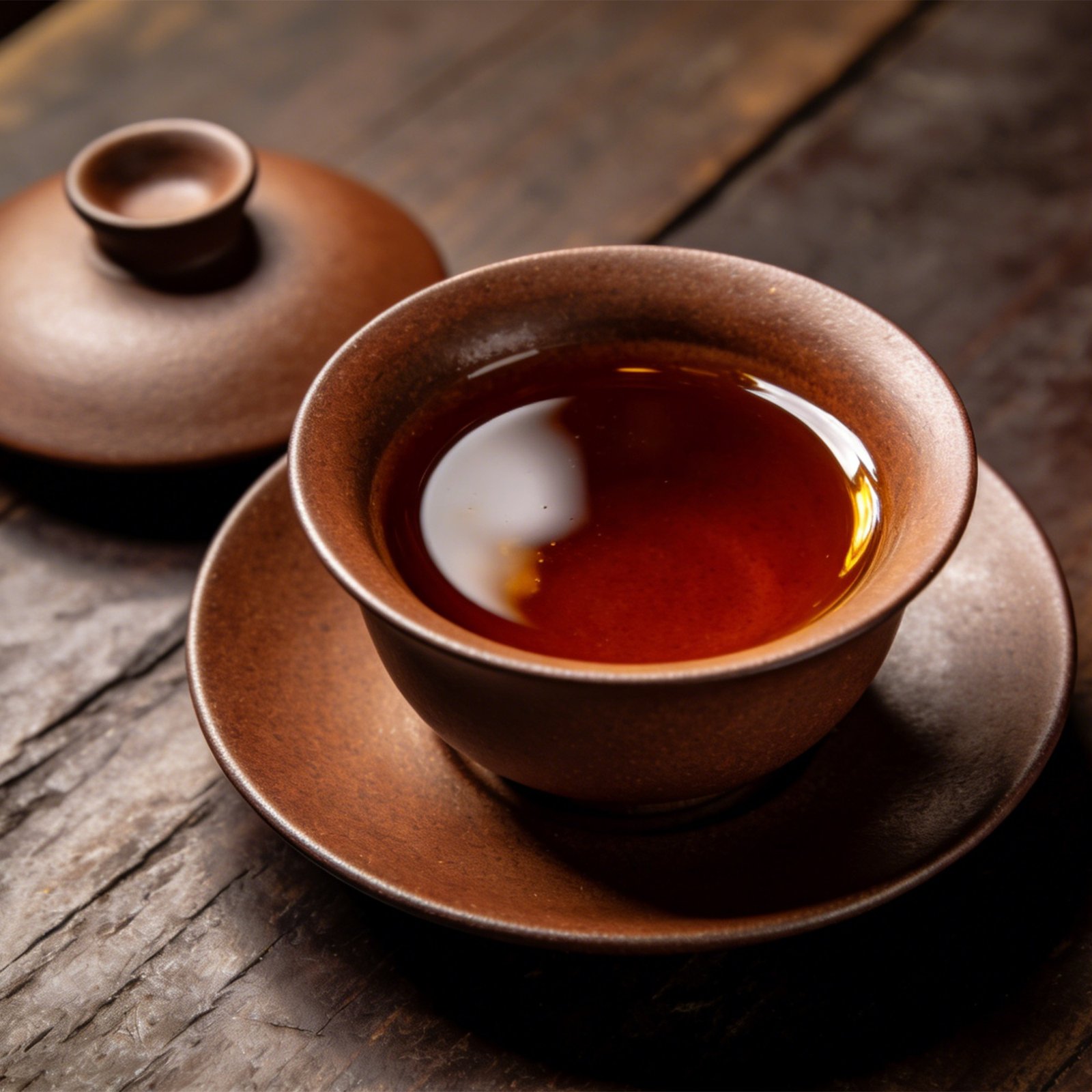
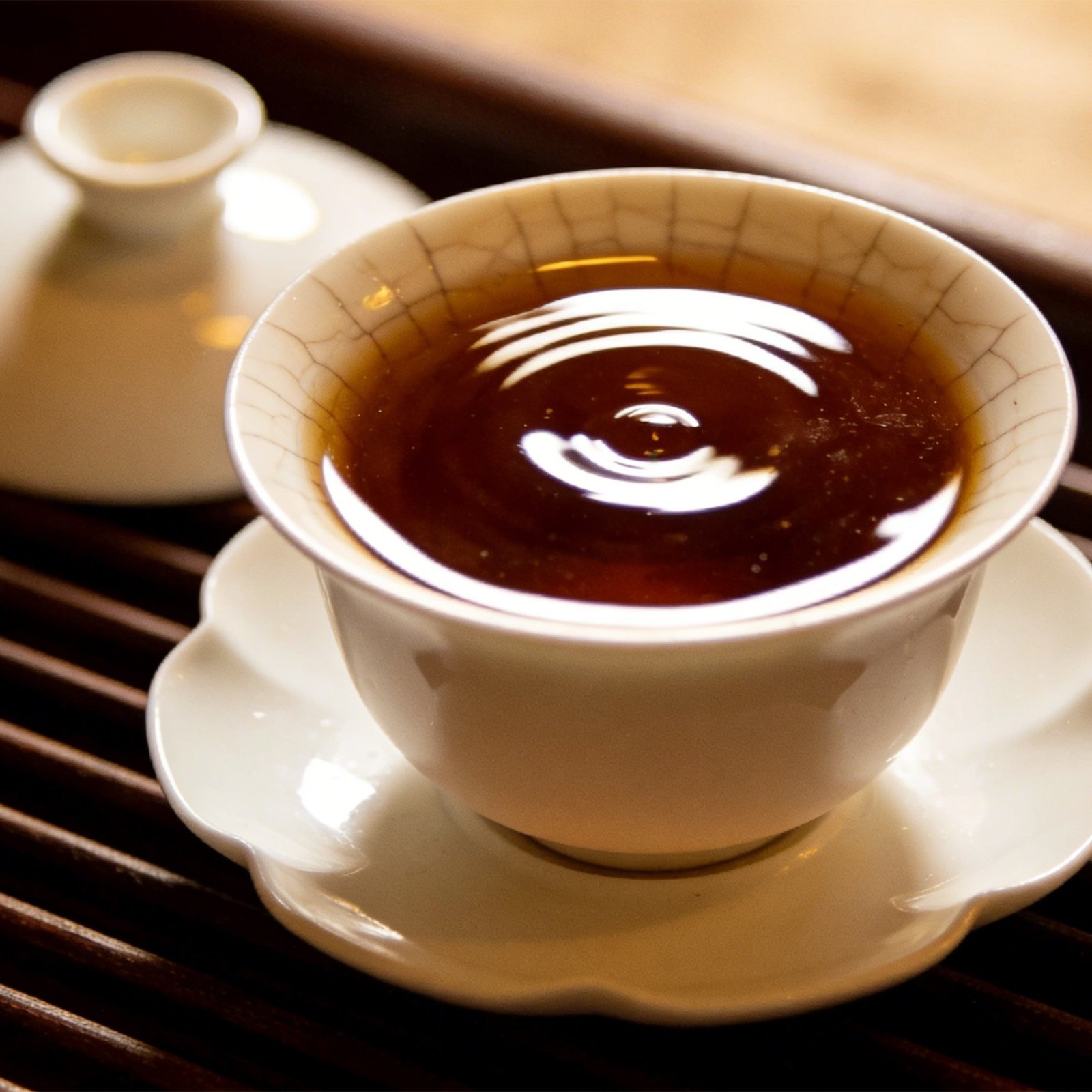
tea-for-bloating-heavy-mood-oolong-ripe-pu-erh-1
tea-for-bloating-heavy-mood-oolong-ripe-pu-erh-2
Section 4: Situation-Based Tea Recommendations
The most practical way to drink tea is scenario-based—matching tea type with your physical and mental state. This directly answers a common search intent: “What tea should I drink right now?”
(1) Heat thirst (dry mouth, hot weather)
Best: green tea, white tea
- clean taste, strong refreshing mouthfeel
- supports light brewing
How to brew:80–90°C (lower for green tea). Avoid overly strong tea if your stomach is sensitive.
(2) Heavy mood (fatigue, brain fog, pressure)
Best: oolong tea, ripe pu-erh
- oolong = uplifting alertness
- ripe pu-erh = warm, grounding comfort
How to drink:best in the morning or afternoon; avoid strong tea too close to bedtime.
(3) Want tea at night but fear poor sleep
Try light brewing, shorter steep time, and smaller quantities. Avoid strong green tea or matcha at night since caffeine may disrupt sleep patterns.
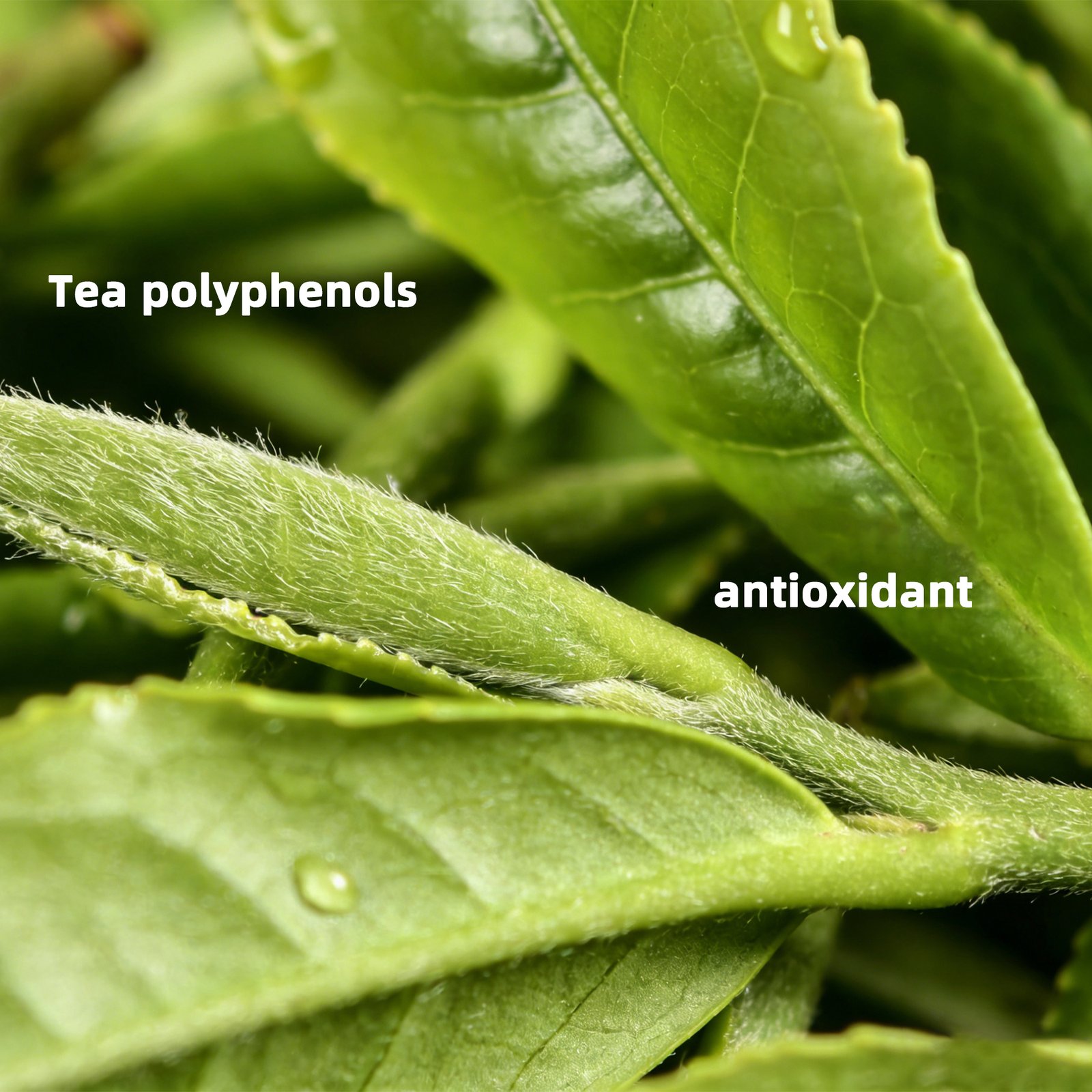
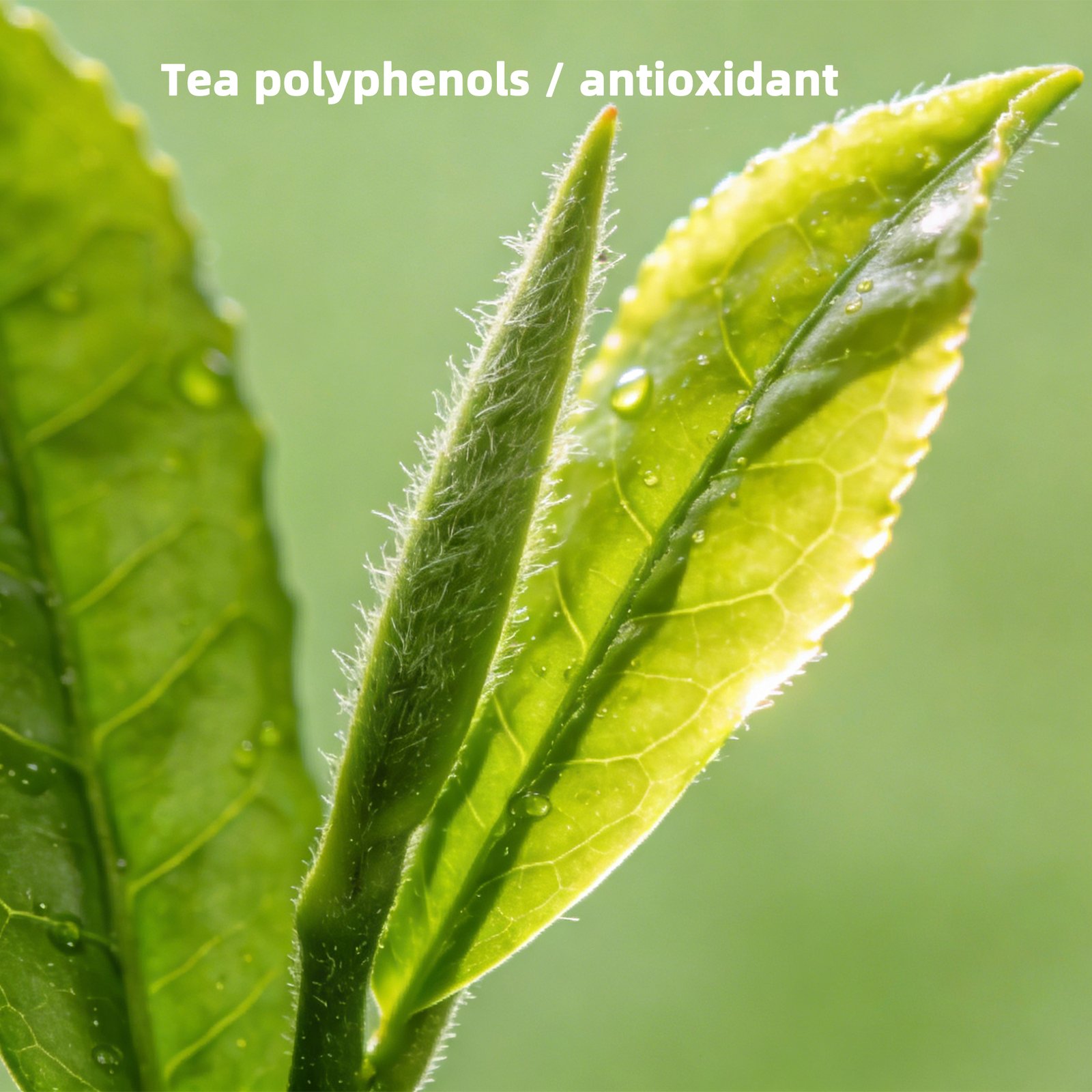
Green tea leaves – catechins and polyphenols
(antioxidants)-1
Green tea leaves – catechins and polyphenols (antioxidants)-2
FAQ 1
What are the most practical benefits of drinking tea?
The key practical benefits are hydration (thirst relief) and mental refreshment (alert calmness), supported by compounds like polyphenols, caffeine, and L-theanine.
FAQ 2
Does tea really boost energy?
Yes. Tea contains caffeine for alertness, and L-theanine may help make the stimulation feel smoother and more stable.
FAQ 3
Can I drink tea on an empty stomach?
Strong tea on an empty stomach may cause discomfort (acid reflux or palpitations). A safer option is light tea 30 minutes after meals.
FAQ 4
Is “tea antioxidants” a real benefit?
Tea polyphenols show antioxidant mechanisms in reviews, but tea works best as a long-term supportive habit—not an instant solution.
FAQ 5
Does tea affect sleep if I drink it at night?
It can—especially strong green tea or matcha. Brew lightly, drink smaller amounts, and avoid late-night consumption.