
From Silk, Porcelain to Tea: How Fermentation Transformed Chinese Tea into Red Tea for Global Trade
When we think of the treasures that shaped China’s image in the world, three products stand out: silk, porcelain, and tea. These commodities were not only symbols of Chinese craftsmanship and culture but also pillars of the ancient Silk Road and maritime trade routes that connected East and West. Yet, while silk and porcelain traveled well across vast distances, tea faced a unique challenge: fresh tea leaves were fragile, prone to spoilage, and difficult to preserve during long sea voyages.
This problem sparked one of the most important innovations in tea history—the creation of fermented red tea (black tea). Inspired by the process of fermenting sugarcane into rum, Chinese tea producers discovered that by fermenting tea leaves, they could create a more stable product. Red tea was not only more resistant to decay during shipping but also offered a rich, robust flavor that appealed to foreign palates. This transformation enabled tea to join silk and porcelain as one of China’s most successful global exports.
Silk: The First Chinese Luxury Export
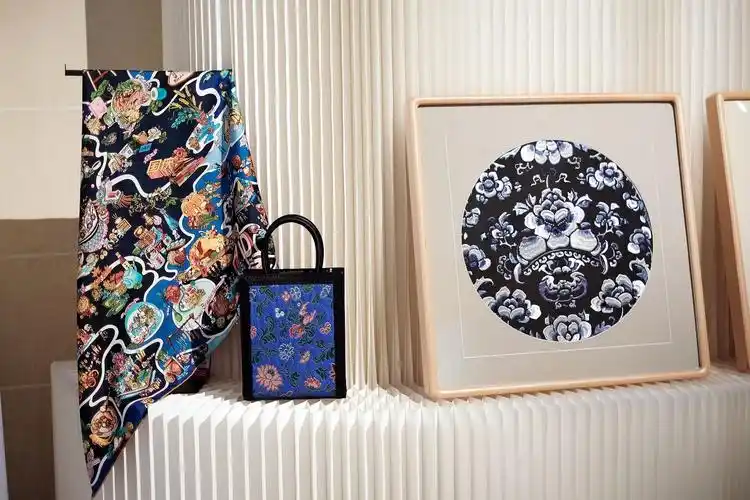
Silk was China’s earliest and most iconic export. The art of sericulture, or silk farming, began thousands of years ago and remained a closely guarded secret. Chinese silk garments became a symbol of wealth and refinement across Asia, the Middle East, and Europe. The name “Silk Road” itself reflects the central role silk played in international commerce. Unlike tea, silk was lightweight, durable, and highly valuable, making it an ideal trade good for both caravans and ships.
Porcelain: China’s White Gold
Following silk, porcelain became another hallmark of Chinese exports. Known in Europe as “china” (a term still used today), porcelain was admired for its elegance, durability, and refined craftsmanship. From blue-and-white Ming porcelain to delicately glazed Song wares, Chinese ceramics found homes in royal courts and aristocratic houses across the globe. Much like silk, porcelain could endure long transport without damage, giving it a natural advantage in trade.
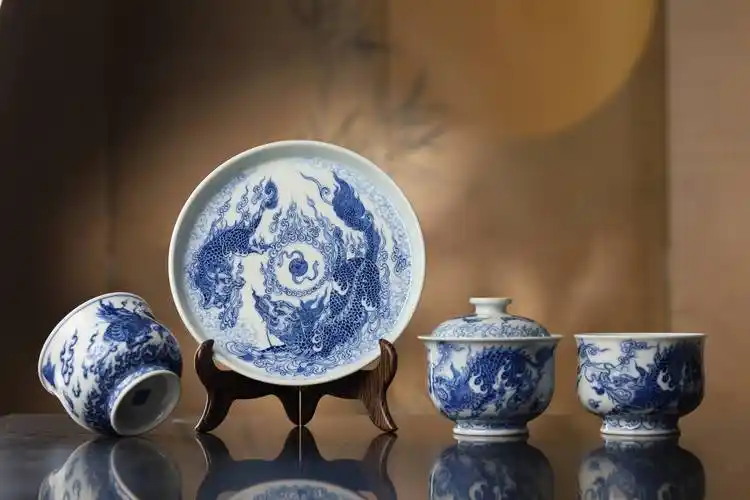
Porcelain
Silk
Compared to silk and porcelain, tea was a more complicated commodity. Tea had already gained cultural and medicinal significance in China, but when it came to long-distance trade, early tea faced obstacles:
- Spoilage– Green teas and lightly processed teas were sensitive to humidity and temperature changes during shipping.
- Flavor Loss– After months at sea, tea often lost its freshness and delicate aroma.
- Limited Appeal– Early foreign drinkers found green tea mild and unfamiliar compared to stronger, fermented beverages like coffee or spirits.
As maritime trade expanded in the Ming and Qing dynasties, Chinese merchants needed a way to make tea more suitable for export.
Rum and the Inspiration for Fermentation
The turning point came from observing rum production in the West Indies and other sugar-producing regions. Rum was made by fermenting sugarcane juice or molasses, transforming a perishable crop into a long-lasting, transportable product with commercial value.
Chinese tea producers adopted a similar concept: by fermenting tea leaves—allowing oxidation to darken the leaves and intensify the flavor—they created a new type of tea that could survive long journeys by ship. This innovation became what we now know as red tea in China (called “black tea” in the West).
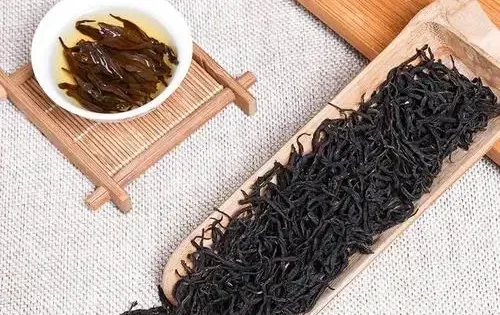
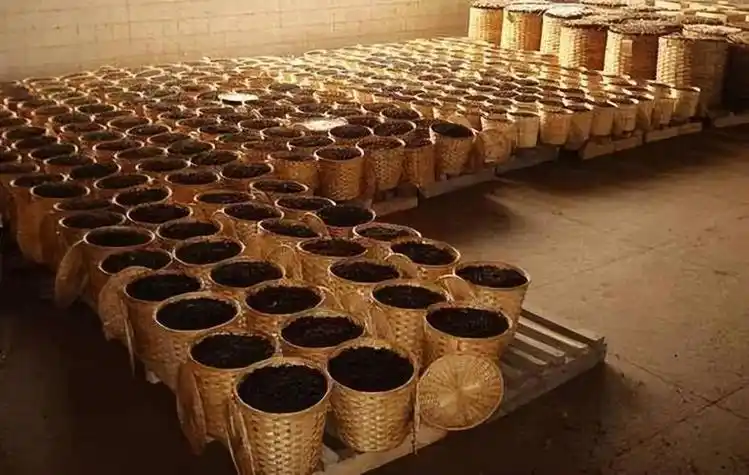
Red Tea: The Perfect Export
Red tea proved to be the answer to the challenges of global tea trade:
- Preservation: Fermentation reduced the tea’s sensitivity to moisture and climate, keeping it fresh over months of sea travel.
- Flavor: The strong, malty, and slightly sweet taste of red tea matched Western preferences, especially when mixed with milk and sugar.
- Adaptability: Unlike delicate green tea, red tea could withstand boiling water and still deliver a consistent flavor.
From Fujian to Anhui and beyond, China’s tea regions began producing varieties of red tea specifically for export. Famous examples include Keemun red tea and Lapsang Souchong, which found enthusiastic markets in Britain, Europe, and eventually North America.
Global Impact of Fermented Tea
The creation of red tea changed not only trade patterns but also global culture:
- In Britain, red tea became the foundation of afternoon tea culture, eventually leading to iconic blends like English Breakfast and Earl Grey.
- In Russia, the strong flavors of red tea suited the samovar tradition, traveling thousands of miles along caravan routes.
- In North America, tea played a role in history itself, most famously in the Boston Tea Party, where red tea symbolized colonial resistance.
Thus, a local innovation in tea processing reshaped international commerce and cultural habits, cementing tea’s place alongside silk and porcelain as a defining symbol of China’s contribution to the world.
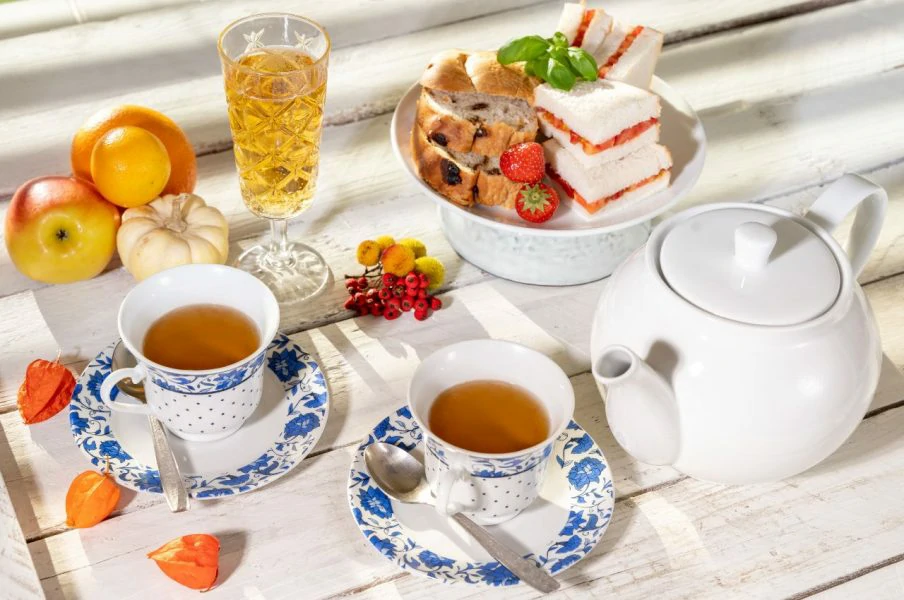
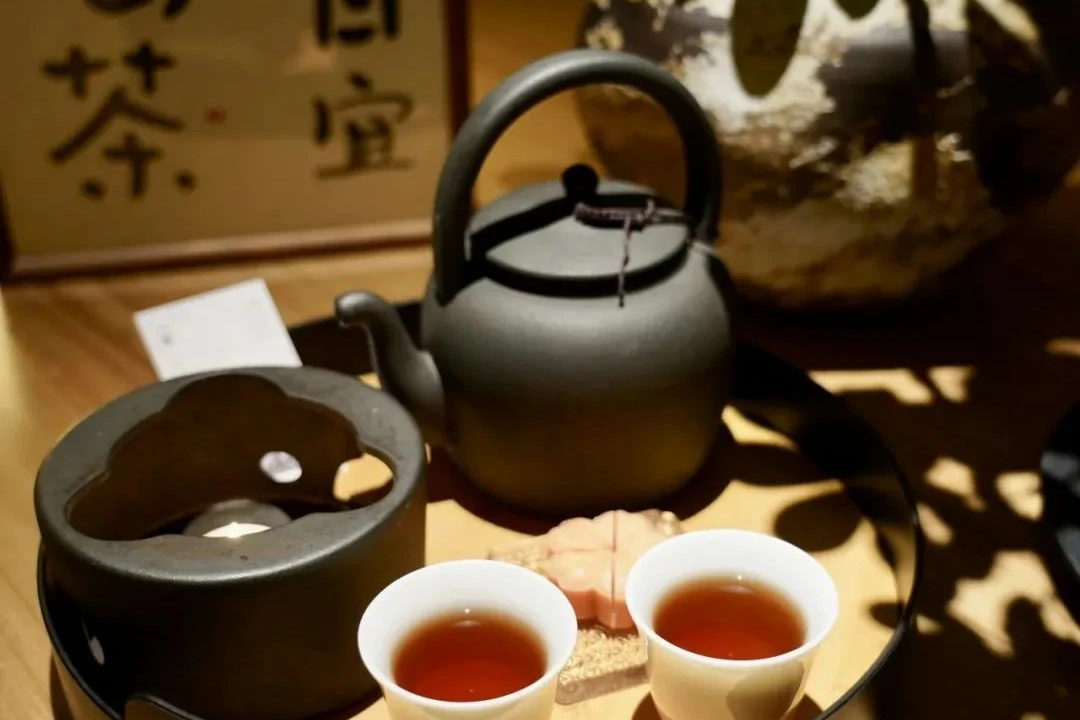
British Afternoon Tea
Tea boiling
Conclusion
The story of silk, porcelain, and tea illustrates how Chinese ingenuity shaped global trade. While silk and porcelain were naturally suited to long-distance transport, tea required innovation to succeed as an international commodity. By learning from fermentation practices like those used in rum production, Chinese tea masters transformed tea into a product that could withstand sea voyages and win over foreign tastes.
This innovation—the creation of red tea—not only solved the problem of preservation but also gave birth to one of the world’s most beloved beverages. Today, every sip of red tea carries with it centuries of history, from the fields of China to teahouses around the globe, linking cultures through trade, innovation, and taste.
If you want to truly experience the timeless charm of Chinese red tea, Dianhong Tea from Yunnan is the perfect choice. Grown in the misty highlands of Yunnan Province, Dianhong is famous for its golden tips, bright ruby liquor, and rich, mellow flavor.
This tea embodies the essence of traditional Chinese fermentation craftsmanship, while also reflecting the unique terroir of Yunnan’s ancient tea trees. Whether enjoyed plain or paired with milk and honey, Dianhong delivers a smooth, full-bodied taste that lingers with every sip.
More than just a beverage, Dianhong is a bridge between history, culture, and modern life.
Visit our official store Excellent Forest Tea today and discover authentic Dianhong Tea, directly sourced and quality assured. Let this cup of Oriental elegance bring warmth and strength to your everyday moments.