
Forest Tea vs Taidi tea – Health Benefits, Farming Methods & Risks
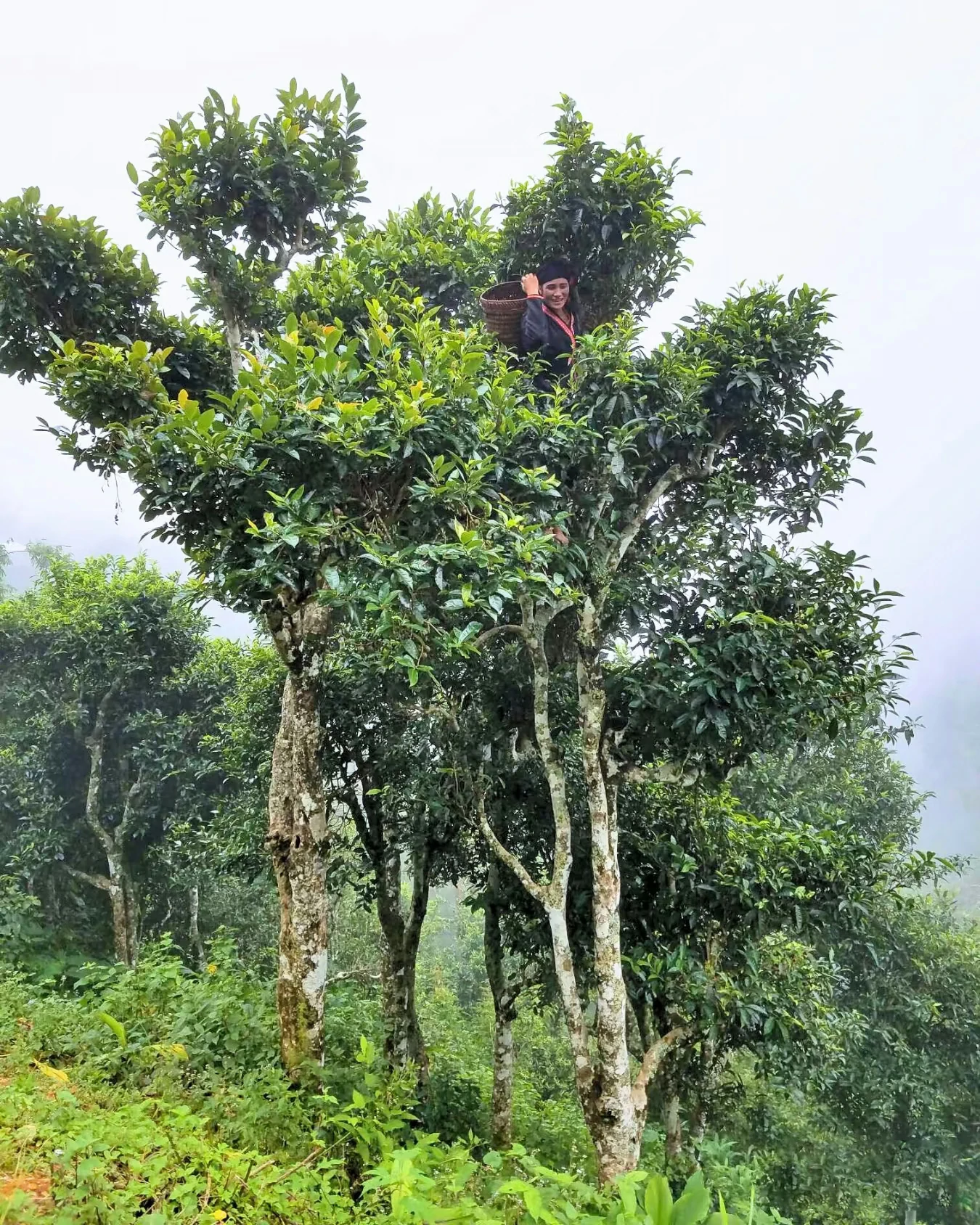
Not all tea is created equal. Beyond flavor and aroma, how your tea is grown directly impacts your health and the environment. The contrast between forest-grown tea (often from ancient or big trees) and Taidi tea (mass-farmed on plains and hillsides) reveals a story of two very different brews
1.Planting Density: Room to Breathe vs. Chemical Dependency
Forest tea trees grow slowly and far apart, their roots extending deep into nutrient-rich soils. These natural conditions minimize the need for fertilizers or pesticides.
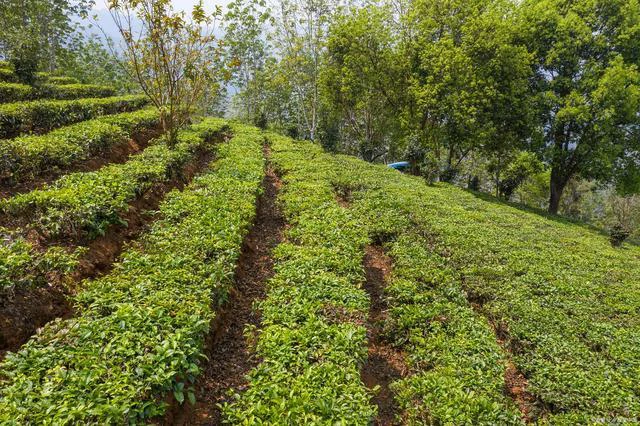
In contrast, Taidi tea is planted densely in shallow soil. This poor foundation demands frequent use of chemical fertilizers, which attract pests—creating a cycle of dependency on harmful pesticides.
2.The Power of the Canopy
Ancient tea trees form a natural canopy, shading the ground beneath and suppressing weed growth. This eco-balance eliminates the need for herbicides.
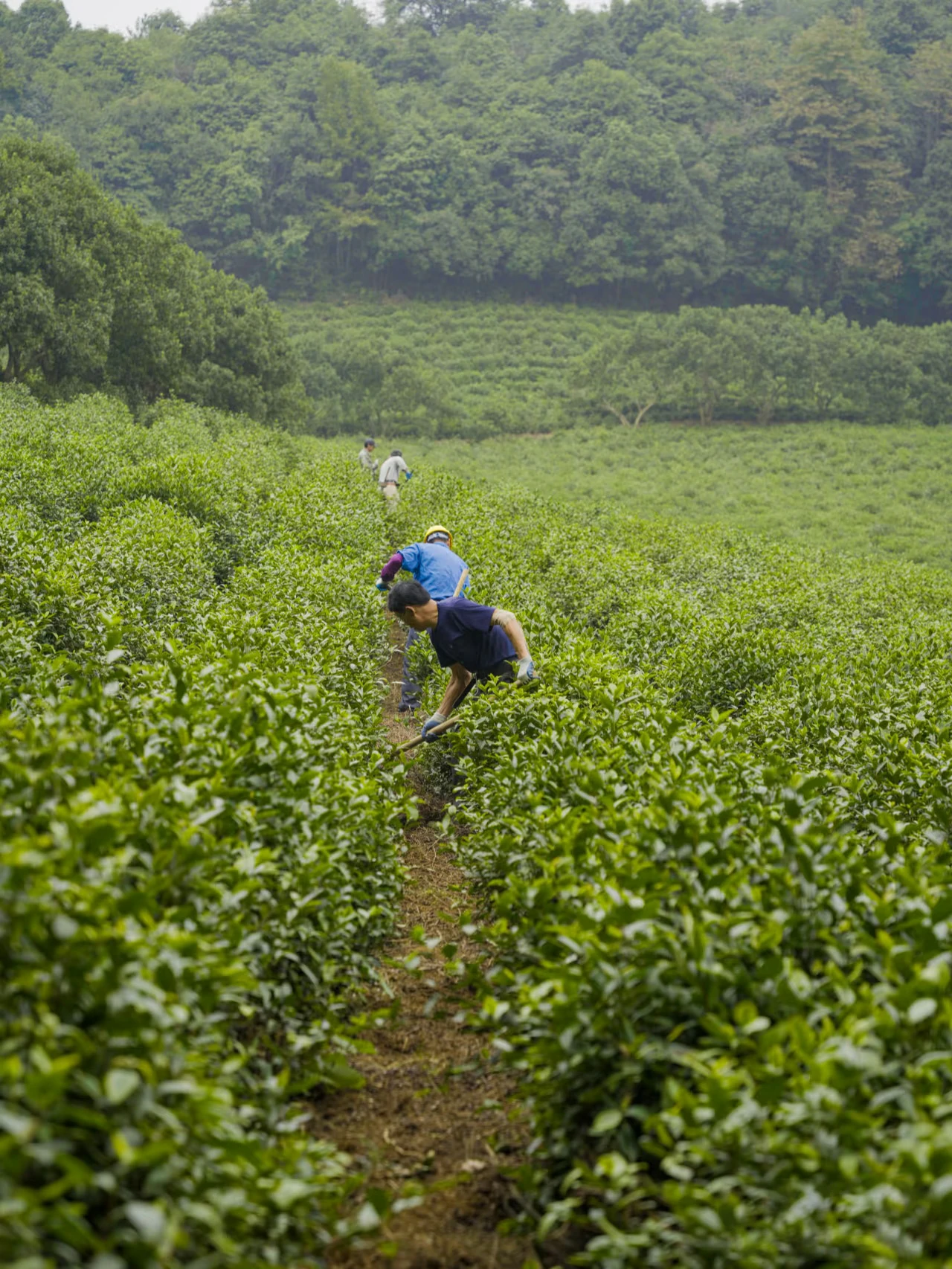
Taidi tea, however, grows as small bushes that offer little shade. The result? Weeds flourish, and farmers often turn to chemical herbicides like glyphosate—linked to cancer risks in recent studies.
3.Growth Pace: Fast Doesn’t Mean Better
Forest-grown tea takes time—at least 10 years to reach a harvestable state. Some trees are over 100 years old, drawing rich minerals through their deep roots, producing complex flavors and antioxidants.
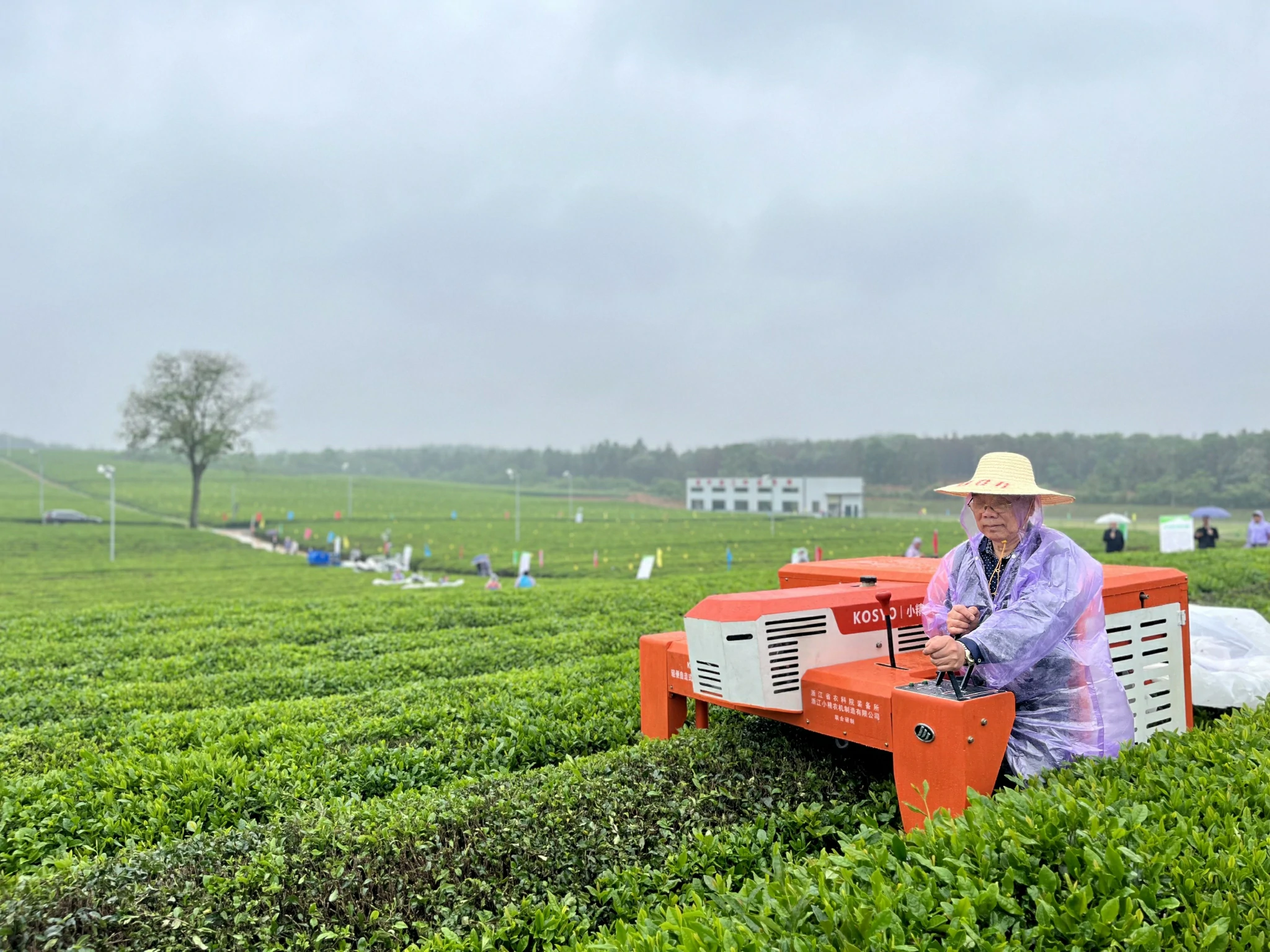
Taidi tea, on the other hand, is genetically identical, rapidly cloned, and rushed to maturity with growth hormones. It’s ready for harvest in as little as one year—speed over substance.
4.Environmental Footprint
Forest tea supports biodiversity. The trees coexist with native plants, animals, and a resilient ecosystem.
Taidi tea plantations often involve deforestation, monoculture farming, and chemical runoff—contributing to soil degradation and water pollution.

5. Long-Term Cost to Your Health
What seems cheap at the market can cost more in the long run. Taidi tea’s chemical burden may contain pesticide and herbicide residues. Forest tea, though higher in price, offers a cleaner, safer alternative grown with respect for nature.
Conclusion
If you care about what goes into your body and the health of the planet, forest-grown tea is more than just a luxury—it’s a necessity. It’s time to ask not only where your tea comes from, but how it was grown.