
The EU organic standard acts as a precision filter, rejecting 98% of Chinese teas through its near-zero tolerance for pesticide residues and contaminants.
EU organic certification represents one of the world’s most stringent food safety standards. For China’s tea industry, this green barrier presents both challenges and opportunities – particularly as it targets the core weaknesses of low-quality plantation tea: pesticide residues and chemical pollution. Through systematic testing protocols and strict limits, the EU establishes non-negotiable quality thresholds, providing a scientific weapon against chemically-dependent plantation teas.
I. Core Indicators of EU Organic Tea Certification
The EU organic system’s agricultural input controls are based on rigorous scientific assessment. Regulation (EU) 2018/848 establishes a comprehensive technical framework specifically for organic tea. This regulation covers the entire supply chain – from cultivation and processing to trade – requiring all participants (farmers, processors, traders) to pass audits by EU-accredited certification bodies before using the EU organic logo (leaf-star emblem).
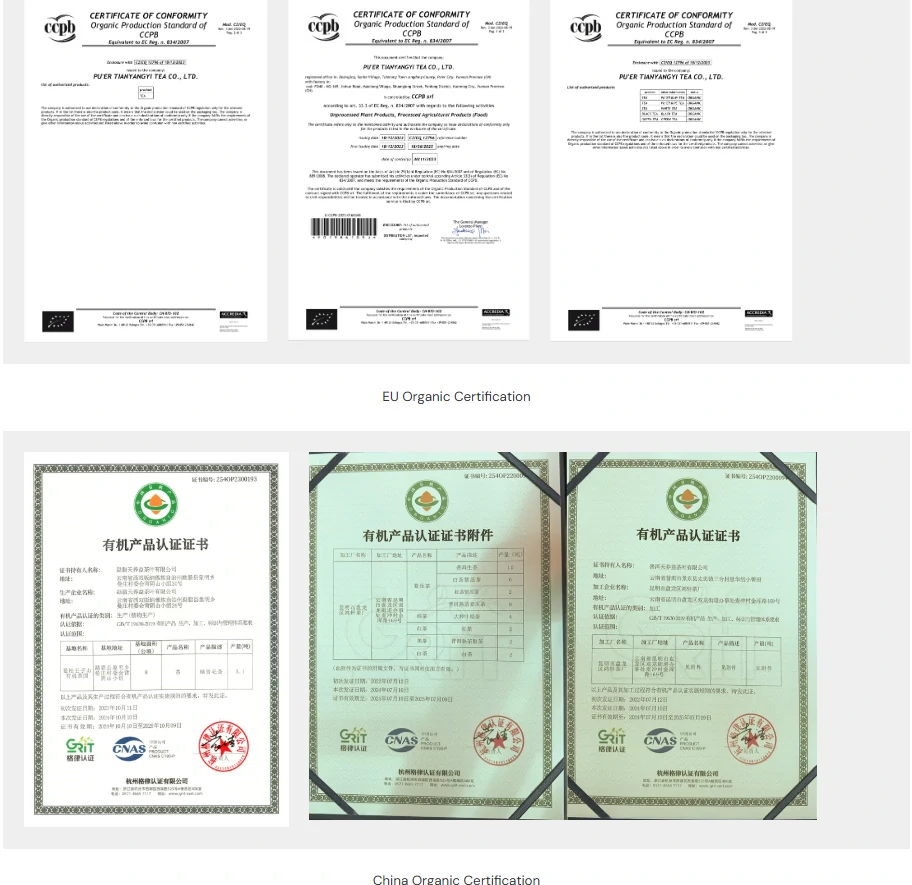
European Union Organic Certification and China Organic Product Certification
1. Environmental & Cultivation Management Standards
EU regulations impose systematic ecological requirements for tea gardens, creating a multi-dimensional standard covering “soil-water-biodiversity”:
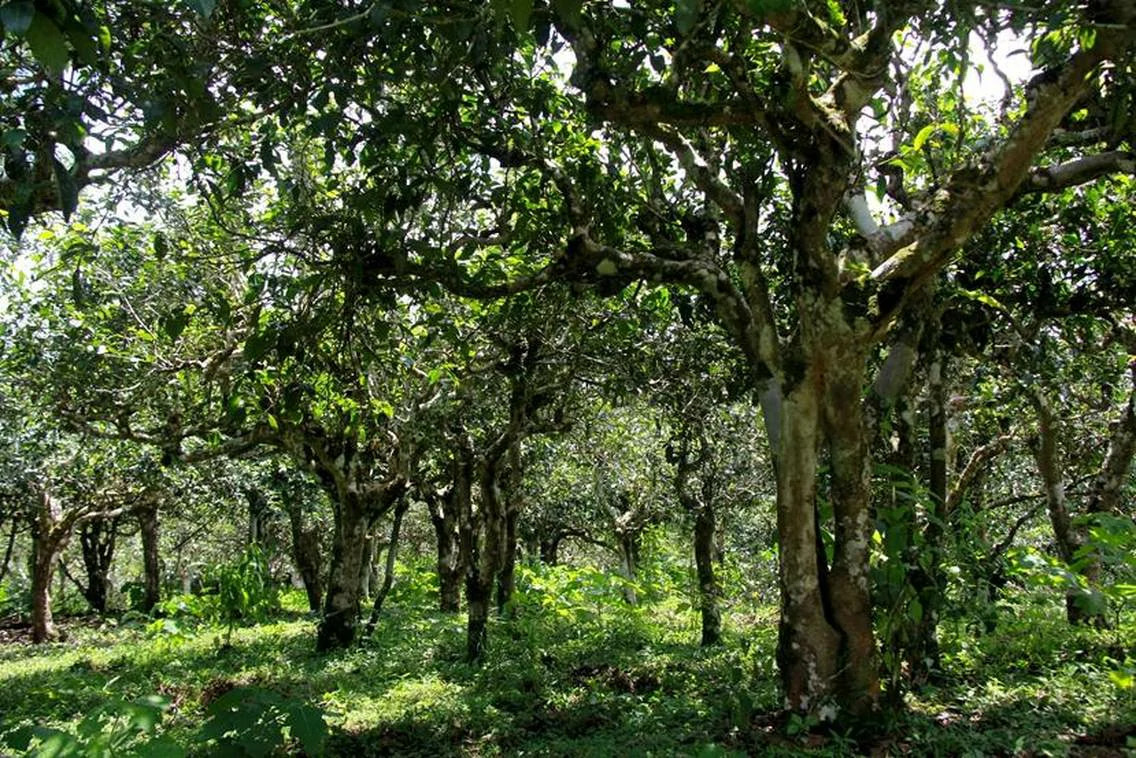
Natural Soil Management: Hydroponics prohibited. Tea plants must grow in natural soil. Fertilizers limited to organic matter (e.g., manure, plant compost like tea seed cake). Synthetic fertilizers, herbicides, and growth regulators are banned.
Ecological Pest Control: Mandates pest management systems centered on natural predators (spiders, lacewings, birds), supplemented by physical controls.
Strict Conversion Period: New tea gardens require a minimum 24-month conversion period. Soil samples must prove no contamination by prohibited substances for 3 years.
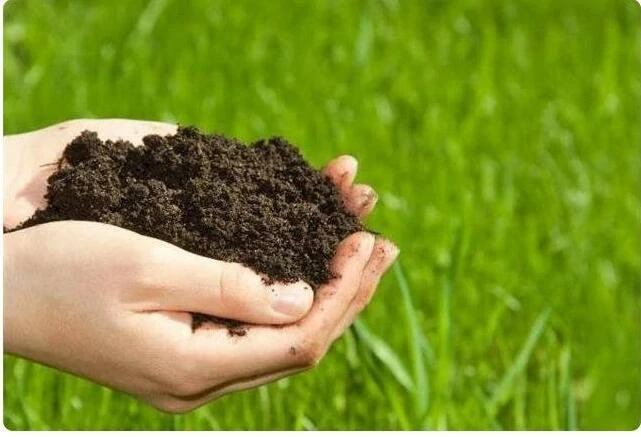
Organic Fertilizer
Natural Soil
2. Processing & Labeling Regulations
Organic tea processing must adhere to a “Cleanliness-Segregation-Traceability” tripartite standard:
Processing Controls: Equipment with nanomaterial coatings prohibited. Cleaners must be from EU-approved organic-compatible lists. ≤5% non-organic ingredients (e.g., natural flavors) allowed, but fumigants like ethylene oxide are banned.
Enhanced Traceability: Mandatory batch tracking from garden to finished tea. Records must include plot coordinates, harvest time, and processor info. Since 2022, certification bodies must conduct unannounced sampling of 5% of member farmers to verify system reliability.
Label Authenticity: Origin labeling rules relaxed, allowing specific names (e.g., “Organic Tea from Yunnan, China”) instead of generic “Non-EU Agriculture.” Detection of undeclared components (e.g., hidden flavorings) results in immediate certification revocation.
3. Input Material Restrictions
New EU regulations enforce strict controls via a “Positive List” system:
Cultivation Inputs: Only plant-derived extracts (e.g., matrine) and mineral-based preparations (e.g., Bordeaux mixture) permitted. Synthetic pesticides are banned.
Processing Aids: Approved list drastically reduced. Traditional additives like sulfur dioxide and nitrites removed; only limited substances (e.g., magnesium carbonate, activated carbon) retained.
Flavor Management: Flavored teas (e.g., jasmine) may only use natural extract flavors. Synthetic flavorings prohibited.
II. EU Organic Testing Targets & Certification Audit Mechanism
1. Prohibited Substance Testing System
EU testing for organic tea focuses on three main categories (pesticide residues, contaminants, illegal additives) using a “risk-based” sampling strategy:
Routine Tests: Cover pesticides (glyphosate, chlorpyrifos), heavy metals (lead, arsenic), mycotoxins. Since 2023, Chinese organic tea exports are classified “high-risk,” increasing testing rates to 20% (vs. 5-10% for regular products).
Priority Controlled Substances: Ethylene oxide (EO) and derivatives are heavily monitored due to frequent detection in imports. Certification bodies must conduct specific analysis on every large batch (≥100kg).
Environmental Contaminants: Emerging pollutants like Polycyclic Aromatic Hydrocarbons (PAHs) and microplastics in soil/irrigation water are now included. Wuchuan, Guizhou, was required to submit historical soil pollution reports during certification.
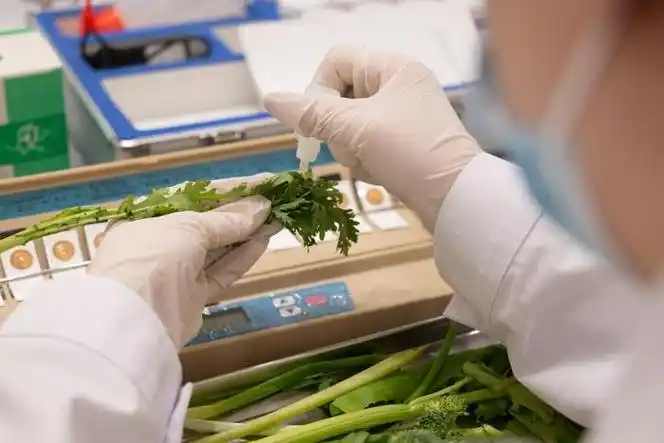
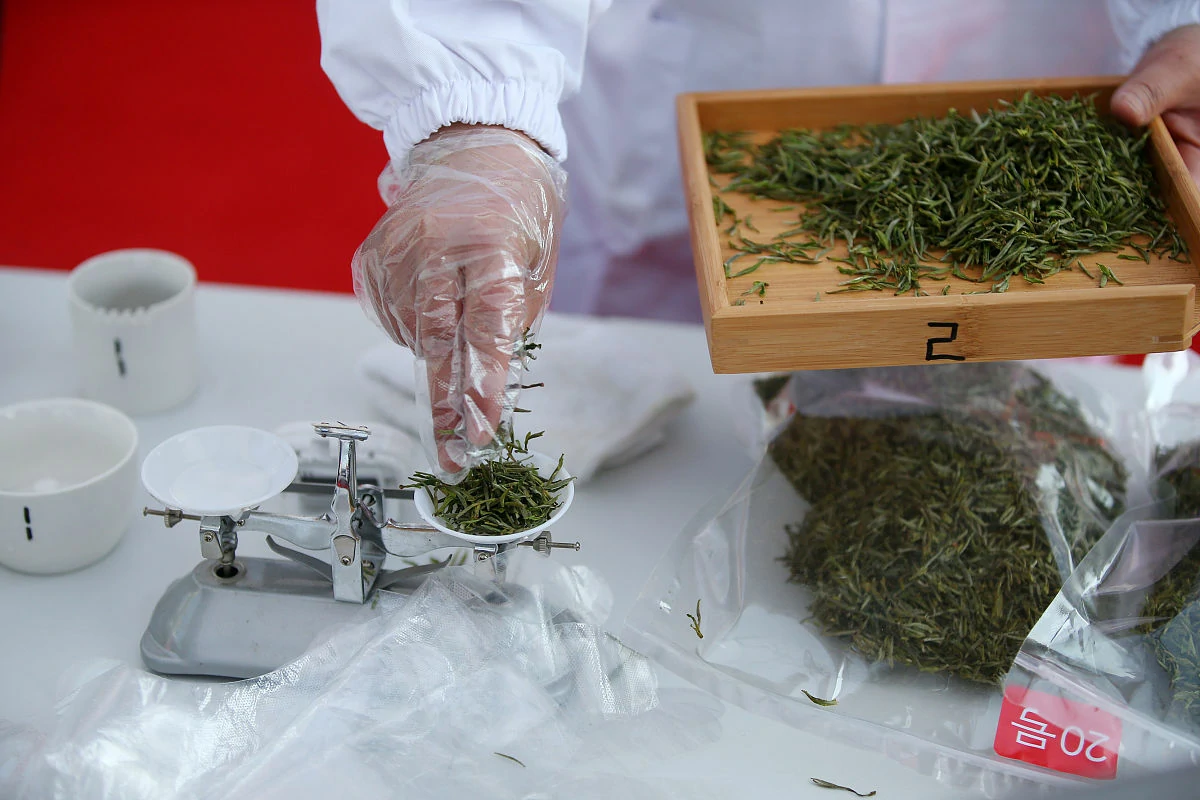
Pesticide Testing
Sampling Inspection
2. Certification Audit Mechanism
New EU rules implement a dual-track “Document Review + On-site Verification” system:
Document Review: Companies must submit plot satellite images, organic fertilizer source verification, pest management logs. New rules specifically require geographic coordinates of conversion plots and 3-year declarations of prohibited substance non-use.
On-site Inspections: Include scheduled and unannounced checks. High-risk entities (e.g., Chinese organic tea companies) require 2 annual inspections, one must occur during the growing season with on-site soil and fresh leaf sampling.
Risk-Based Management: Low-risk companies (3 years violation-free) may reduce inspection frequency to 24 months. High-risk companies face an additional 10% unannounced inspections.
III. The Hidden Health Threat of Pesticides
Pesticides intercepted by EU testing transform from agricultural tools into “health hazards” when ingested. Their dangers are characterized by latency, chronicity, and systemic effects.
Acute poisoning is the most visible harm. High-dose exposure can cause immediate dizziness, nausea, vomiting, diarrhea, skin irritation, and even respiratory failure or death. However, chronic toxicity is far more concerning. Long-term, low-dose intake of pesticide residues allows bioaccumulation, eventually triggering systemic diseases:
1. Increased Cancer Risk: Phenoxy herbicides and their dioxin impurities are linked to higher soft tissue sarcoma rates. Long-term exposure to inorganic arsenic pesticides significantly increases liver cancer risk.
2. Neurofunctional Damage: Organophosphate pesticides are neurotoxic, causing memory loss, behavioral changes, and reduced learning capacity.
3. Fertility Crisis: Pesticides like chlordecone (Kepone) reduce sperm count. Prenatal exposure increases miscarriage and birth defect risks.
4. Endocrine System Disruption: Many pesticides act as endocrine disruptors, altering hormone balance and affecting development, metabolism, and reproduction.
IV. How EU Testing Targets Low-Quality Plantation Tea
EU organic standards act as a truth-revealing mirror, exposing the inherent safety flaws of low-quality plantation tea through three key mechanisms:
1. Blocking Chemical-Dependent Production
Plantation tea often relies heavily on chemicals for yield. EU Maximum Residue Levels (MRLs) for tea cover over 500 pesticides/contaminants (e.g., difenoconazole, imidacloprid, bifenthrin, permethrin, thiamethoxam). Strict limits like Glyphosate (≤0.1 mg/kg) and Organophosphates (≤0.5 mg/kg) directly block chemically-produced teas from export.
2. Exposing Heavy Metal Contamination
Cadmium, lead, and mercury accumulated in plantation soil are absorbed into tea leaves. EU limits (Cd ≤1.5mg/kg, Pb ≤120mg/kg) are far stricter than many Chinese standards. A 2010 study showed Chinese pesticide application rates were over twice those of some European nations, with severe soil heavy metal pollution.
3. Zero Tolerance for Pathogens
Low-quality plantation tea is vulnerable to contamination during processing. EU standards (Salmonella: Absent/25g; E. coli ≤1000 CFU/g) eliminate production from unhygienic workshops. Precise EU detection technology (e.g., GC-MS with 1 ppm accuracy and 12,500 amu/s scan speed for PCBs) exposes even trace contaminants.
Conclusion
While 98% of Chinese teas are barred from international markets for failing EU standards, the compliant 2% generates 80% of the industry’s profits – starkly illustrating the economic value of quality. As new EU regulations like DANSK DS/CEN/TS 17803:2022 intensify fertilizer and microorganism testing, China’s tea industry must internalize EU standards as its quality benchmark to navigate the green barrier successfully.
Only when every tea leaf can withstand Atomic Absorption Spectroscopy and Gas Chromatography-Mass Spectrometry (GC-MS) scrutiny can Chinese tea truly ascend from the “plantation” to the global stage.